Trump Ends USMCA, Starts 10-Year Countdown
USMCA faces a decade-long phase-out under Trump’s decision.
Model Diplomat3 min readNorth America
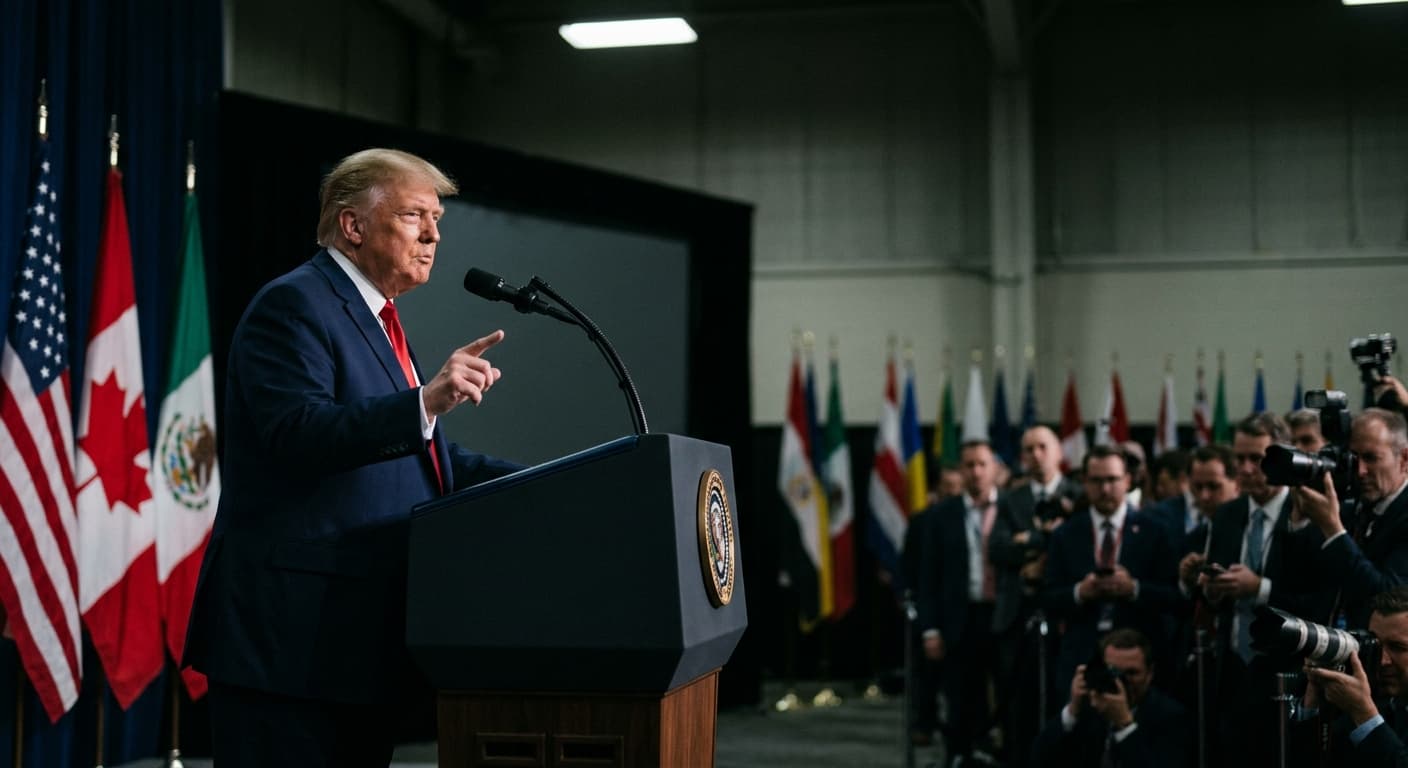
Trump Lets His Own Trade Deal Slide Into Limbo — Negotiating Leverage, Not Ideology
Trump's refusal to renew the USMCA on July 1 triggers annual reviews and a decade of uncertainty. The move isn't about killing free trade — it's about extracting concessions Canada and Mexico can't refuse.
The Trump administration is expected to decline renewal of the United States-Mexico-Canada Agreement today, the July 1 deadline for its first mandatory six-year review, letting the trade pact slide into a decade-long phase-out rather than extending it for another 16 years as both Canada and Mexico have formally requested. NPR reports the administration will instead default to annual reviews — a mechanism Trump himself negotiated into the deal in 2018 — preserving the agreement through 2036 but subjecting it to perpetual re-litigation.
Reuters via IndexBox confirms the non-renewal will trigger the sunset clause, while USTR Jamieson Greer has already scheduled a third round of bilateral talks with Mexico for the week of July 20.
This is not a withdrawal. It is a leverage play dressed as a snub.
Canada and Mexico both submitted formal requests for a 16-year extension this week. BBC News reports Canadian Trade Minister Dominic LeBlanc called the deal "highly beneficial" in his Tuesday letter; Mexico's Economy Minister Marcelo Ebrard echoed the call the same day. Trump, by contrast, told reporters last month, "I would rather not have the agreement, but I may sign it."
Al Jazeera notes the ambiguity is the point — "nothing agreed till everything is agreed," as one analyst put it, or incremental concessions along the way.
The asymmetry is deliberate. The US is negotiating bilaterally, freezing Canada out while pressing Mexico on automotive rules of origin. USTR wants North American-built vehicles to reach 82% regional content, with 50% of that sourced in the US — a dramatic hike from the current 40% high-wage threshold. Al Jazeera reported in May that Greer intends to present Canada with a take-it-or-leave-it proposition once the Mexico track is settled. US Ambassador to Canada Pete Hoekstra told CTV last week the two countries were "very, very close to having an agreement" last October — until Ontario aired an anti-tariff ad featuring Ronald Reagan and Trump killed the talks.
The real power shift happened earlier this year. CFR notes that the Supreme Court's ruling on the International Emergency Economic Powers Act (IEEPA) constrained Trump's ability to impose tariffs unilaterally, making the USMCA review one of his few remaining cudgels over both neighbors. The deal underpins roughly $1.6 trillion in annual trilateral trade across a market of 510 million consumers. Threatening its stability is a bargaining tool with real weight — particularly for extracting concessions on Chinese transshipment, dairy market access, and digital trade rules that the original USMCA left unresolved.
The beneficiaries are American auto manufacturers and steel producers who gain stricter content rules and sustained tariff protection. The losers: Canadian exporters staring down a decade of investment uncertainty, and Mexican supply-chain integration that depended on predictable rules of origin. Tony Stillo of Oxford Economics called annual reviews "a big headwind" and "a definite dampener" for business decision-making. Al Jazeera
What to watch next: The Greer-Ebrard bilateral round the week of July 20. If Mexico accepts the auto content overhaul, Canada faces an ultimatum with no negotiating leverage. If Mexico balks, Trump's bluff is called — and the annual-review limbo becomes the permanent state of North American trade until 2036. Either way, the deal Trump once called "the best trade agreement ever" is now his hostage, not his legacy.
Discover more

US Politics
House Ethics Committee Pushes Sexual Miscond.
The House Ethics Committee has shifted responsibility for sexual harassment settlement records to the Office of Congressional Workplace Rights, complicating disclosure efforts.
India
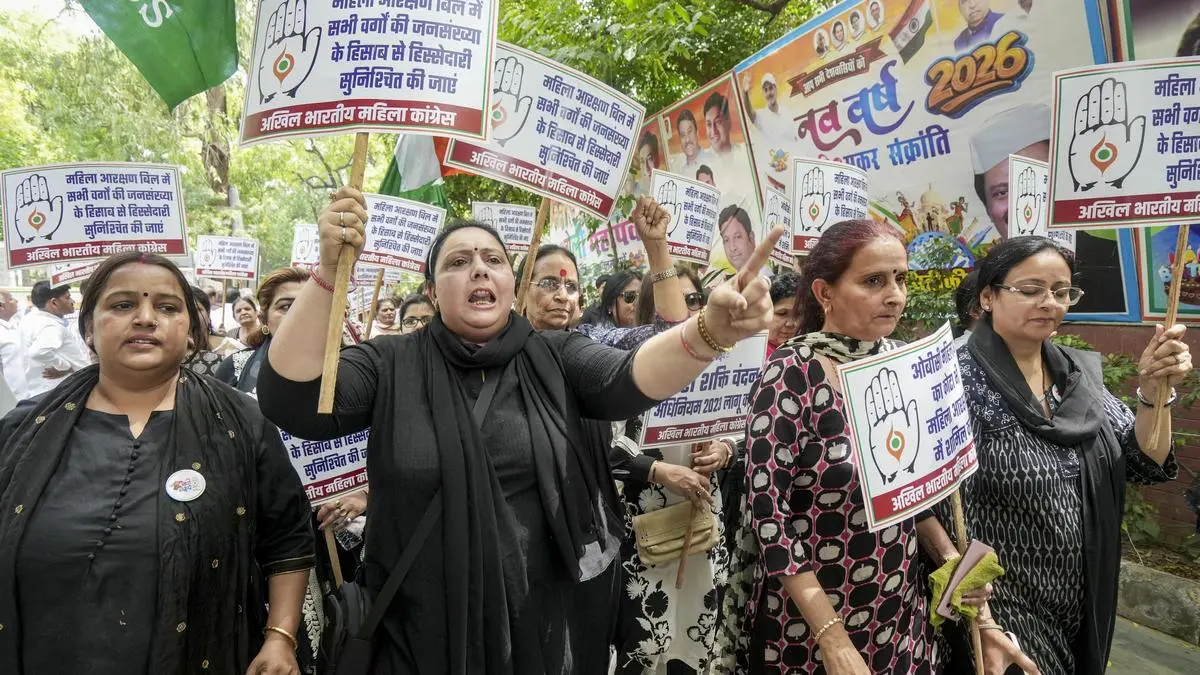
BJP's Misunderstanding of Women's Quota Needs
The BJP's linking of the Women Reservation Bill to delimitation risks delaying women's empowerment in India, misreading the aspirations of female voters.
US Politics
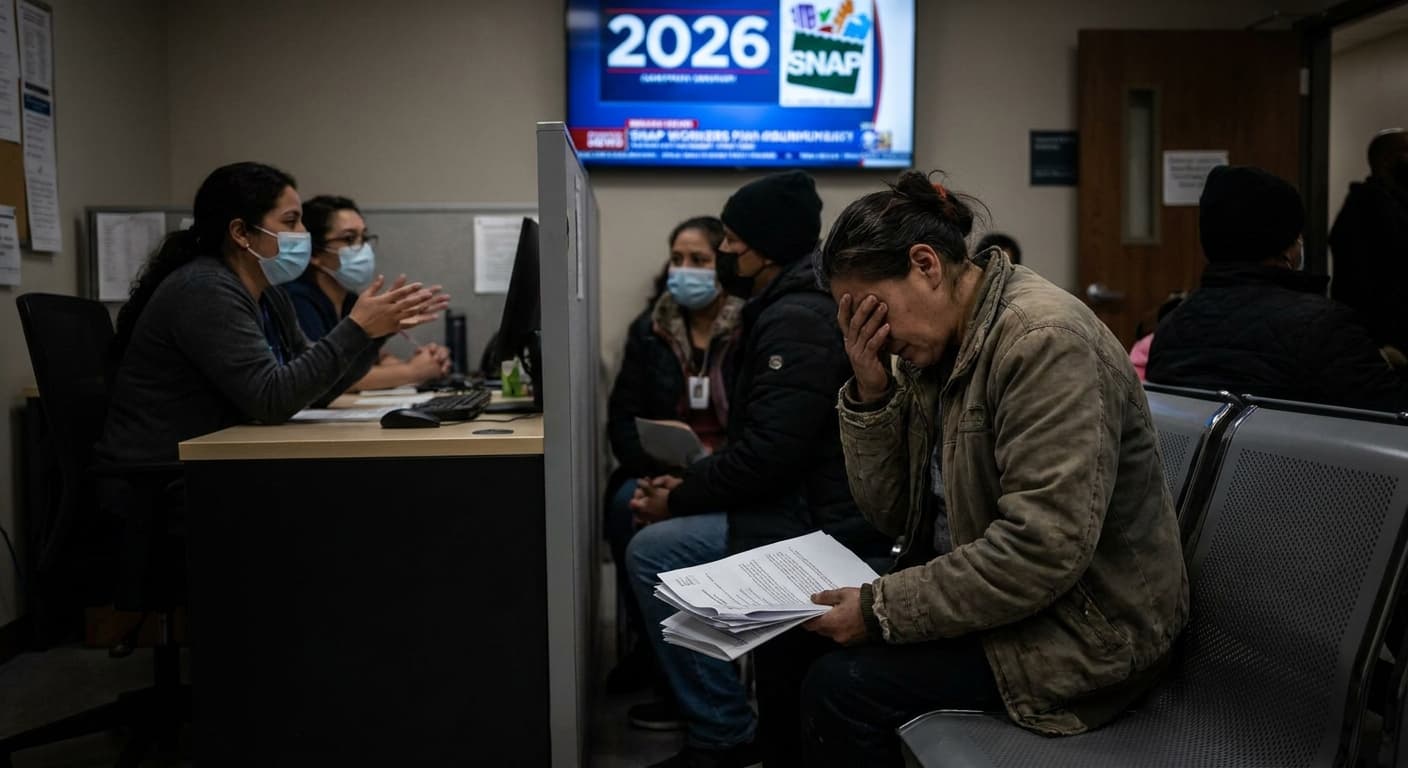
SNAP Food Assistance Faces Legal Challenges
In 2026, SNAP faces stricter eligibility rules and mounting legal challenges, threatening food assistance for the millions of Americans who rely on the program.

Economics
Fed's Amex AML order puts correspondent banking on notice
Federal Reserve's Amex AML order requires board-level controls and a 90-day plan; OCC fined the bank $350 million over enterprise-wide deficiencies.