BJP's Misunderstanding of Women's Quota Needs
Examining the BJP's Women Reservation Bill and its implications
Model Diplomat3 min readIndia
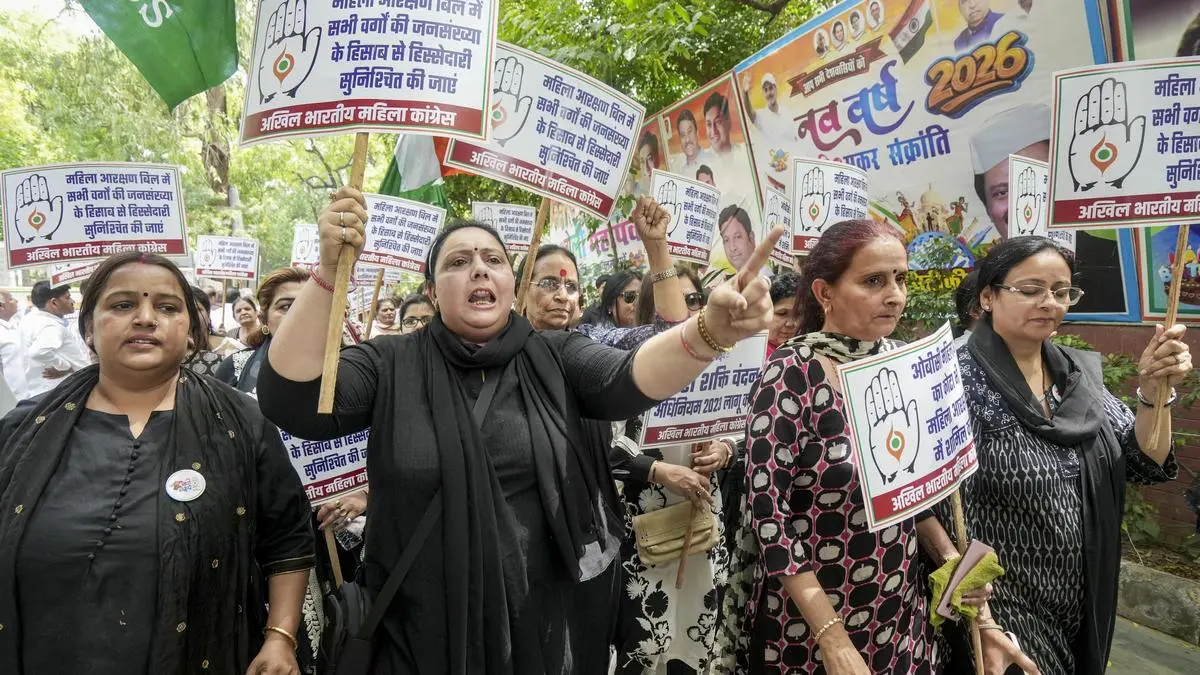
What Modi and BJP Still Don’t Get About What Women Really Want
BJP’s Women Reservation Bill delays real empowerment by linking it to delimitation, misreading women's political aspirations and electoral dynamics.
The BJP government’s recent maneuver to advance the Women Reservation Bill as a package tied to the contentious delimitation of constituencies has reignited debate—and skepticism—about the party’s understanding of women’s political demands in India. The bill proposes reserving one-third of seats in Parliament and state assemblies for women, but crucially, its implementation depends on the completion of delimitation based on the 2011 Census. This linkage risks indefinitely postponing genuine female political empowerment and exposes BJP’s miscalculation of the political currents among women voters and activists.
Why the Linkage Between Reservation and Delimitation Undermines Women’s Quota
The BJP’s approach rests on a strategic calculus to reshape India’s electoral map before unleashing the Women Reservation Act (known formally as the Nari Shakti Vandan Adhiniyam). Delimitation aims to redraw and balance constituency boundaries, especially in southern states where regional parties resist BJP’s expanding influence. By conditioning women’s quota rollout on delimitation, the BJP neutralizes regional opposition and consolidates electoral advantage in key areas ahead of the 2029 general elections.
However, the cost is reluctance and frustration among women’s rights groups and political analysts. They argue this linkage is a deliberate delay tactic that compromises the core goal of women’s reservation: faster and broader political inclusion. Critics warn that tying the bill to census-based delimitation—a process frequently delayed and mired in political controversy—risks sidelining women’s representation indefinitely while the BJP secures its political map Frontline,
The Hindu.
BJP’s Misreading of the Women's Vote and Political Voice
The core political risk for BJP lies in overestimating its electoral machinery’s ability to contain women’s demands within narrow, incremental reforms. Women voters, energized by the broader women’s empowerment discourse, expect tangible and timely representation gains—not legislative gimmicks. The BJP’s combination of a constitutional amendment delay and linking the quota to delimitation alienates a key voter base—urban and rural women actively advocating for direct political empowerment.
Additionally, the BJP seems to misjudge the political forces surrounding gender politics. Women’s reservation is not just a quota fight; it’s about political culture transformation. By focusing on electoral engineering rather than substantive empowerment—candidate grooming, party-level reforms, and political mentorship—the BJP leaves a vacuum filled by opposition parties and social movements pushing for more immediate and comprehensive reforms.
What to Watch Next
- Delimitation Timeline: If delimitation stalls—as history suggests—women’s reservation will be indefinitely deferred, potentially becoming a campaign talking point rather than a lived reality by the 2029 elections.
- Opposition and Civil Society Responses: Watch for unified or fragmented responses from opposition parties and women’s organizations. Calls for delinking women’s reservation from delimitation may gain traction.
- BJP’s Electoral Calculus: Any softening or acceleration of the bill’s standalone passage will signal the party’s recognition of electoral risks tied to women’s disillusionment.
- Candidate Selection Trends: Beyond legislation, real change depends on BJP and other parties' internal candidate selection for women—if the party fails there, the bill's symbolism will ring hollow.
This episode underscores the BJP’s ongoing challenge: balancing electoral strategy with legitimate social demands. Women’s political representation is no longer a peripheral issue but a central battleground reflecting wider democratic aspirations in India.
For broader context, see the India political profile and the evolving
Global Politics landscape.
Sources:
Discover more
India
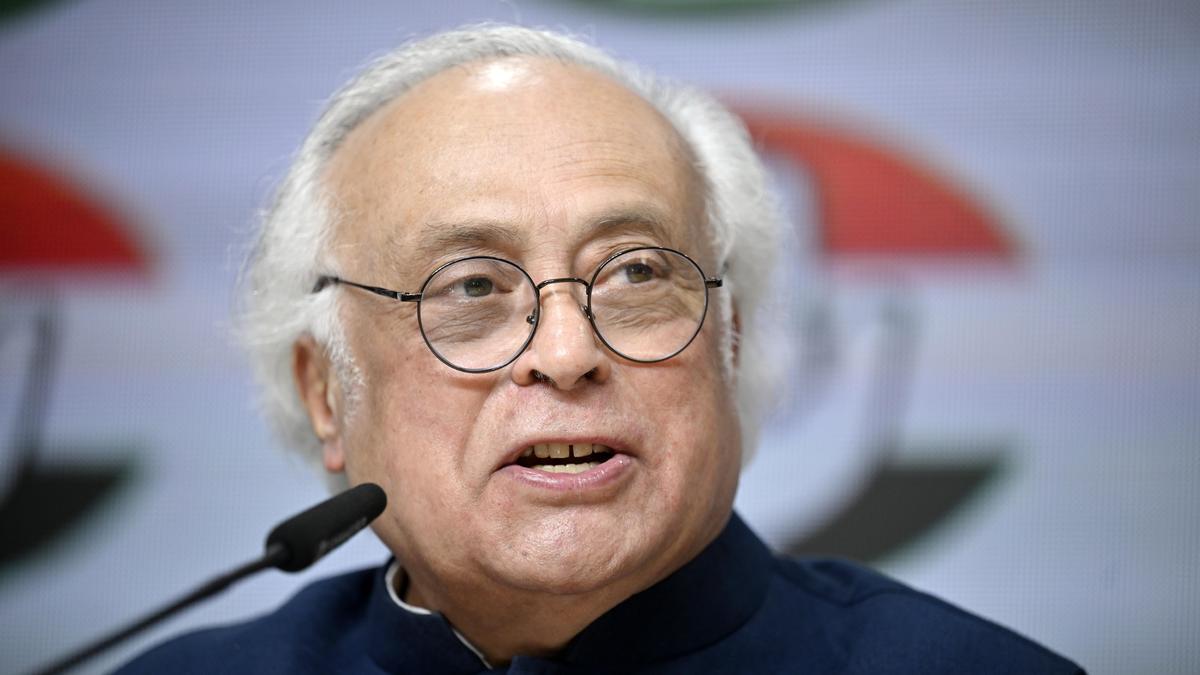
Congress Accuses Modi of Stalling Women's Law
Congress accuses Modi of stalling women's reservation law by linking it to delimitation, revealing a deeper electoral strategy.
India
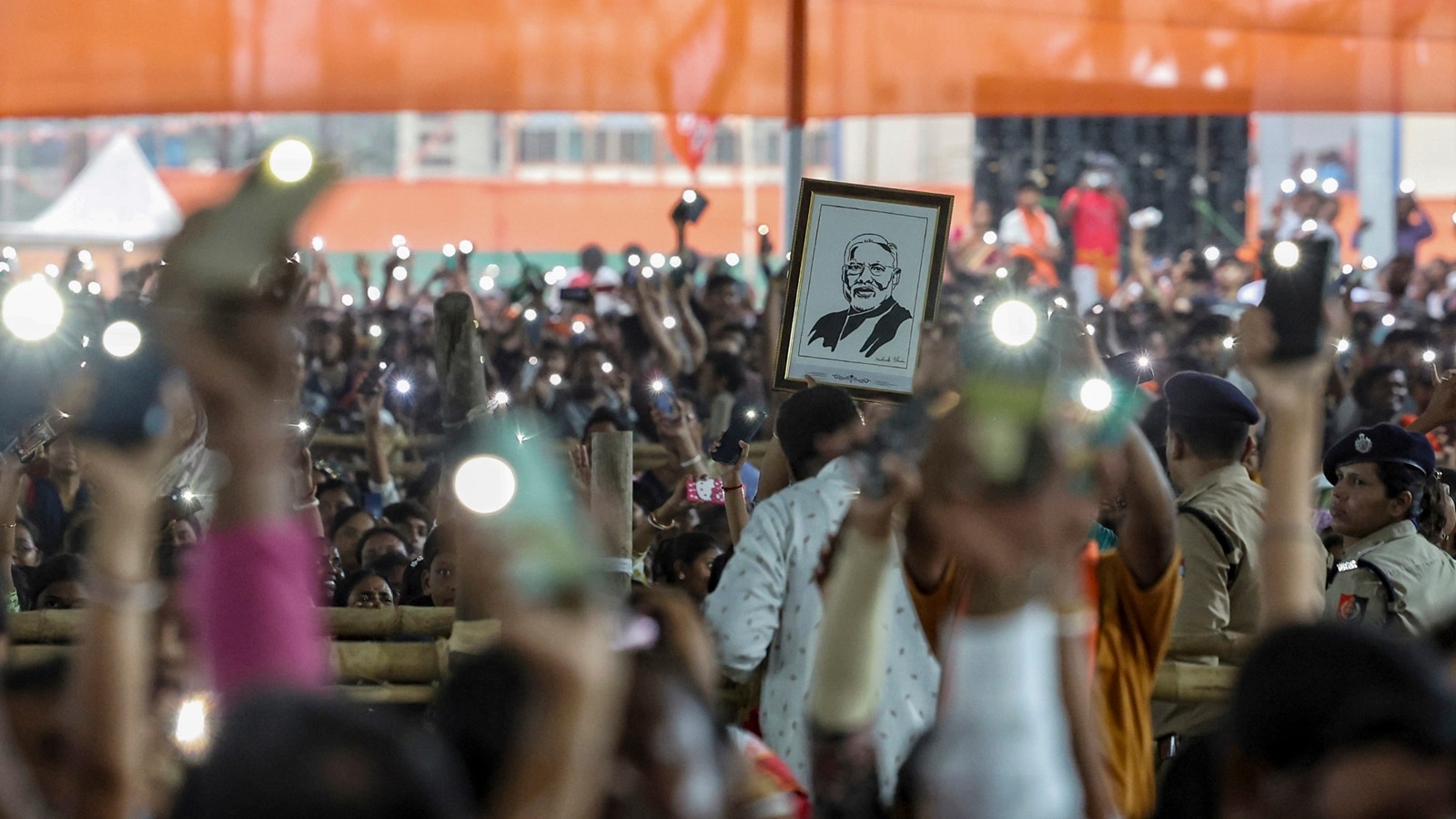
Modi's Women’s Convention in Varanasi
Modi's Varanasi rally frames women's reservation as a national mission, targeting the 2027 Uttar Pradesh elections with a strategic narrative.
India
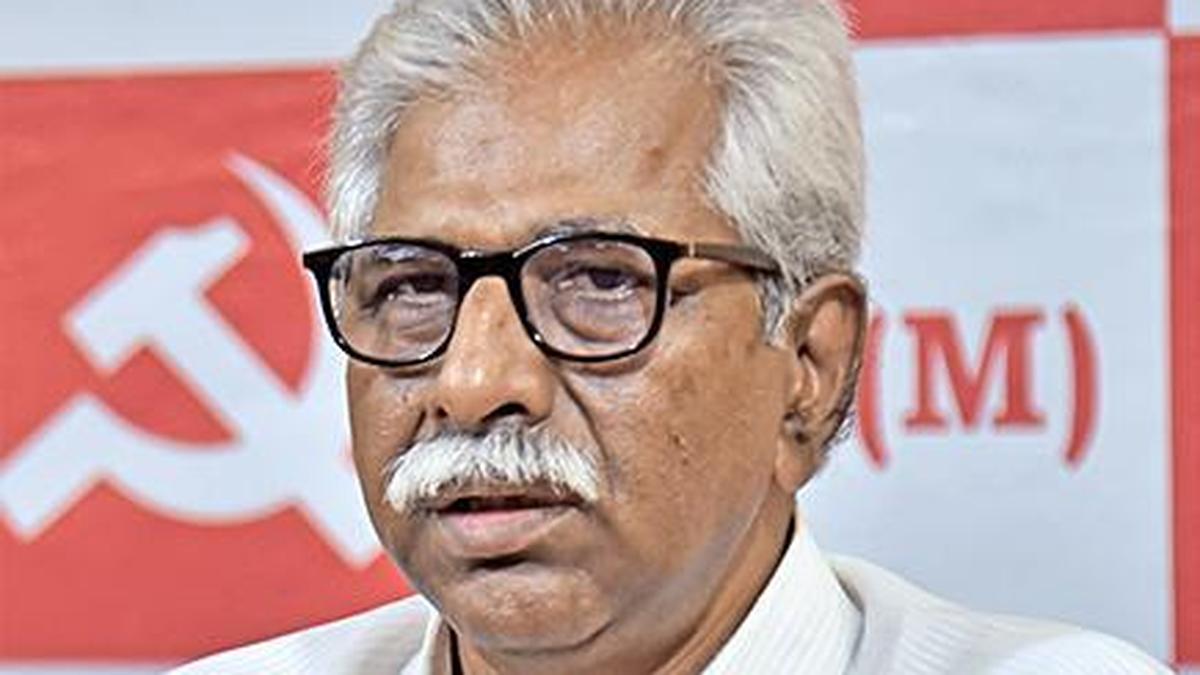
CPI(M) Calls to Decouple Quota from Delimita
CPI(M) advocates for a 33% women's quota in Lok Sabha by 2029, removing the need for delimitation and census linkage.

Economics
Fed's Amex AML order puts correspondent banking on notice
Federal Reserve's Amex AML order requires board-level controls and a 90-day plan; OCC fined the bank $350 million over enterprise-wide deficiencies.