For the complete documentation index, see llms.txt.
Ebola outbreak in DRC accelerates, outpacing global health response efforts.
Ethiopia's election on June 1 is marred by exclusion and conflict, ensuring Abiy's victory.
UK appoints Marc Bolland to combat rising youth joblessness amid £125bn crisis.
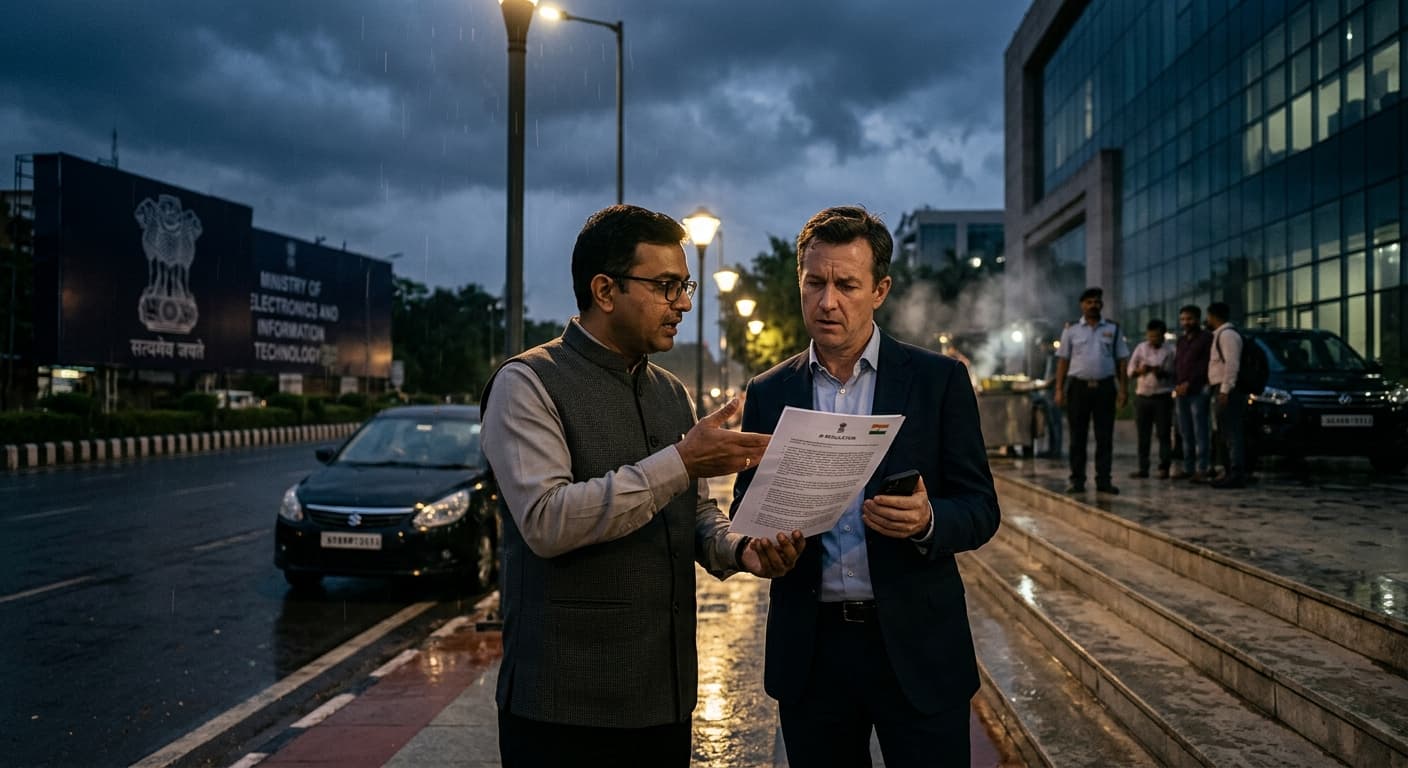
The eviction of Delhi Gymkhana Club marks a shift in India's power dynamics.
The Indian government offers free transit to slum residents displaced by redevelopment.
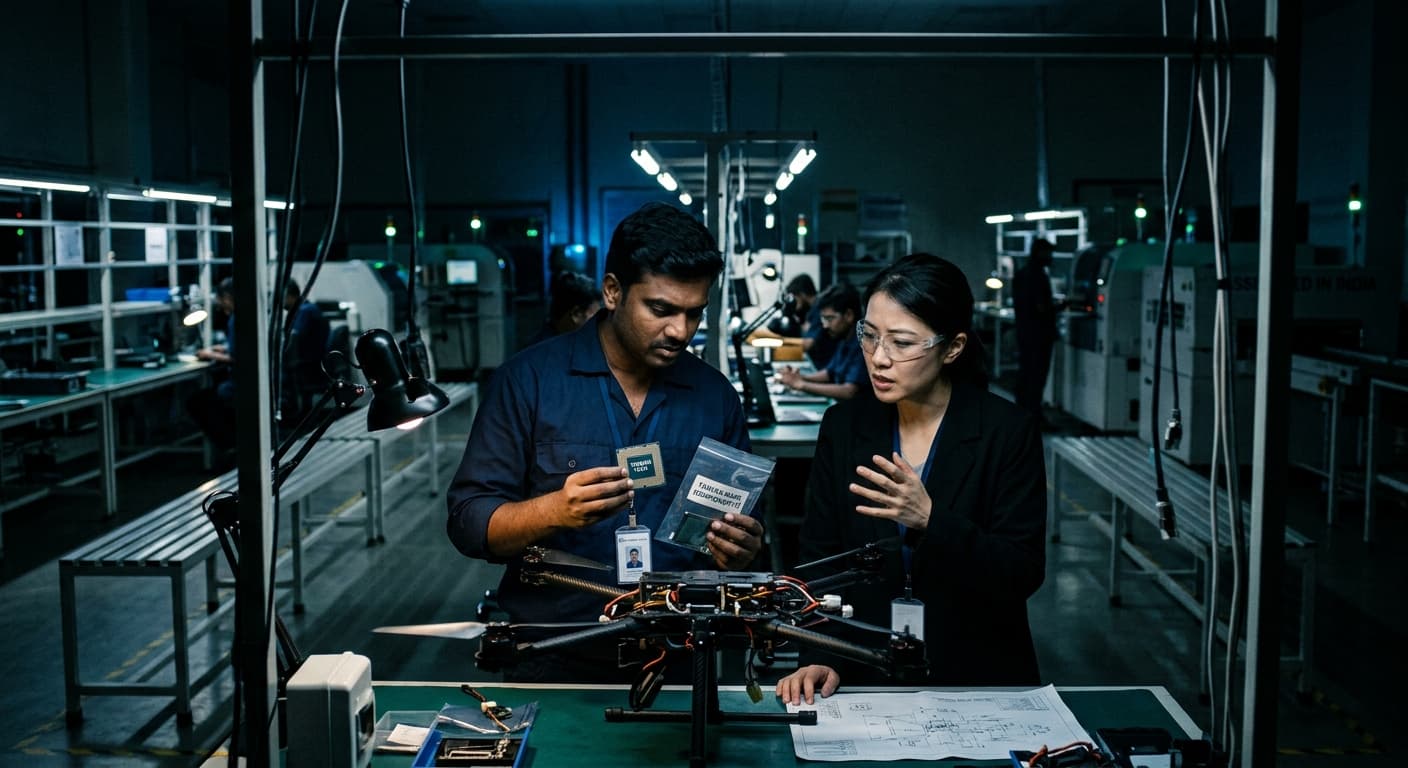
Ukraine is leveraging AI and robotics to offset manpower shortages against Russia.
Laos cedes control to international divers as flooding complicates rescue efforts.
Edgar Morin's passing signifies the end of an era for European intellectualism.
Can Josh Turek's populist approach win back rural Iowa for Democrats?
Armenia’s June 7 election is a pivotal juncture for its foreign policy, security, and economy. Key takeaways: - Peace and regional alignment: The election will influence whether Armenia sustains the peace process with Azerbaijan and the U.S.-brokered TRIPP connectivity initiative, potentially turning Armenia into a regional transit hub linking Azerbaijan, Nakhchivan, and Turkey. - Balance of power and Russia: Moscow is openly backing opposition parties to push Armenia close
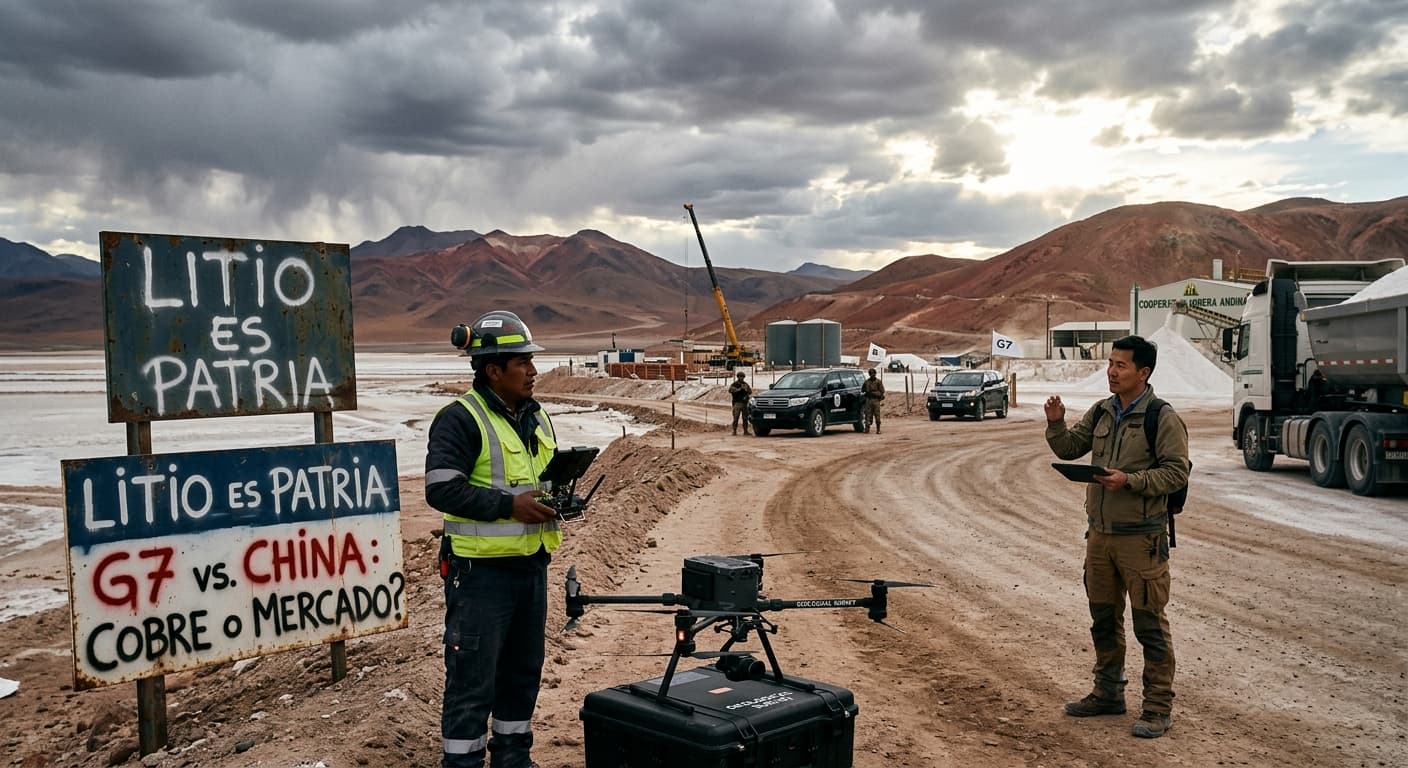
Resumen: - En un contexto de creciente rivalidad entre China y Estados Unidos, Argentina busca consolidarse como proveedor estratégico de alimentos, energía y minerales para ambos mercados, aprovechando un “momento histórico” para impulsar desarrollo económico interno y sostener confianza sanitaria y comercial. - El Congreso Maizar 2026 destacó que, con China y EE. UU. sumando casi el 50% del PBI global, Argentina tiene una oportunidad para ampliar su papel en cadenas globale
Summary: The Straits Times reports that Russia is covertly opposing Armenia’s pro-West pivot ahead of its June elections. Western intelligence says Moscow has pressured Armenia through disinformation campaigns and a plan to transport tens of thousands of Russian-Armenian voters, targeting Nikol Pashinyan’s re-election. Pashinyan has moved closer to Europe and NATO, with the US backing deals (including a minerals agreement and a proposed transit corridor, the Trump Route) that
Summary tailored to your query (Argentina, politics, diplomacy, elections, economy, security): - New national poll from Equipo Mide (May 6–15, 2024; n=1,915; ±2.2%): Milei remains ahead of Kicillof in 2027, despite an overall downward trend for the current government. - Key electoral findings: - Intention to vote by space: La Libertad Avanza leads (29%), followed by Kirchnerismo (18%), Peronismo no kirchnerista (14%), and the Left (11%). Milei leads the candidate vote (28%
Summary: The Straits Times reports that Russia is covertly trying to prevent Armenia’s re-election of Prime Minister Nikol Pashinyan due to his Western-leaning pivot. Key tactics include disinformation campaigns and a planned scheme to transport tens of thousands of Russian-Armenians to influence the June election, with a cited cost around $50 million to mobilize 100,000 voters. Meanwhile, Armenia is strengthening ties with the West and Europe, including a minerals deal with
Summary: Trump endorsed Armenian PM Nikol Pashinyan ahead of Armenia’s June 7 elections, signaling a Western-leaning shift in Armenia’s foreign policy. The endorsement, unusual as it comes from a U.S. president amid Russia’s influence in the region, highlights ongoing U.S.-Armenia cooperation—recent agreements on critical minerals and a US-backed “Trump Route for International Peace and Prosperity” trade framework. The coverage notes Armenia’s pro-Western course, Russia’s eco
Algeria reiterates its position on Western Sahara, outlining the parameters it views as essential for a just and lasting settlement. The statement emphasizes a coherent, legally grounded framework and reflects Algeria’s consistent foreign policy stance in diplomacy and regional issues. The article is subscriber-only, with limited details available publicly.
Summary: France has moved to mend frayed ties with Algeria by returning its ambassador to Algiers and sending senior envoys to commemorate the 1945 repression of Algerian protesters. The gesture signals a diplomatic thaw after tensions over France’s stance on Western Sahara and other disputes. The visit follows other recent French cabinet outreach to Algeria, aimed at restoring dialogue and addressing “memories” of colonial history. Key unresolved issues include the detention
Antigua and Barbuda’s Ministry of Foreign Affairs oversees the country’s international relations, diplomacy, trade, and multilateral engagement. Key points: - Role and scope: Leads foreign policy, regional and global diplomacy, and represents Antigua and Barbuda in international venues to advance sustainable development and governance. - Global presence: Embassies/high commissions and consulates in Washington, London, Miami, Toronto, plus UN, OAS, WTO representation; expandi
Summary: - Focus: The interview with Italy’s Ambassador to Albania, Marco Alberti, outlines how Italy-Albania relations are evolving from friendship to a strategic partnership. - Key themes: - Strategic framework: Aim to transform bilateral ties through high-level intergovernmental collaboration, including a Rome summit and a broad set of 16 strategic agreements. - Economic diplomacy: Shift from a small, labor-intensive Italian presence to a capital-intensive, innovation
Governor General Sir Rodney Williams used the Throne Speech to warn that global conflicts are hurting Antigua and Barbuda economically, even though small states have no role in starting them. He cited the Russia-Ukraine war and Israel-Iran tensions as examples driving higher fuel, shipping, insurance, and consumer costs due to sanctions and disrupted routes. He emphasized the importance of effective foreign relations management and praised Foreign Affairs Minister Paul Chet G
Summary: Albania’s Foreign Minister Ferit Hoxha says the bilateral migration deal with Italy should not be extended beyond 2030, aligning with Albania’s goal to join the European Union by then. In an Euractiv interview, he described the five-year arrangement as not open-ended and stressed that once Albania becomes an EU member, the extraterritorial migration centers would be within EU territory. The stance signals a diplomatic limit on a high-profile offshore migration model
The speech outlines Antigua and Barbuda’s current foreign policy and political outlook, amid a focus on national renewal and economic progression. Key points: - Foreign Affairs: Emphasizes careful management by Minister Paul Chet Greene; Antigua and Barbuda seeks peaceful global engagement within the UN framework and NATO-like debates avoidance for small states; highlights the importance of regional diplomacy and CARICOM as essential to stability and prosperity. - Regional i
Antigua and Barbuda pursues an active, multilateral foreign policy centered on regional integration and close partnerships with major powers. Key points: - Global and regional alignments: Maintains diplomatic relations with the U.S., Canada, the U.K., China, many Latin American states, and Caribbean neighbors. Member of UN, Commonwealth, OAS, OECS, CARICOM, Bolivarian Alliance for the Americas (ALBA), Petrocaribe, and the Eastern Caribbean’s Regional Security System (RSS). -
Australian foreign policy focus: Penny Wong’s regional tour to secure fuel guarantees and strengthen energy security amid Asian shortages. Key points: - Wong meets Japan’s leaders in Tokyo, urging assurances that Asian suppliers continue to provide diesel, jet fuel, petrol, and fertiliser to Australia. - The tour includes talks with China (Beijing) and South Korea (Seoul) to press for reliable fuel supplies as Australia remains a major LNG, coal, and food exporter. - Australi
Summary: - Two Russians, including Igor Ratch, face trial in Angola for involvement in anti-government protests, disinformation, and alleged interference in the 2025 presidential election. - The operation appears aimed at shaping Angola’s foreign policy alignment, with Russia seeking influence as Angola’s resources (oil, diamonds) and strategic position remain of interest to Moscow. - Angola has drifted somewhat away from Russia; sanctions-related exits by Alrosa and VTB have
Andorra is negotiating integration of its border controls with the EU’s Entry/Exit System (EES), amid Spain’s reservations over the agreement’s legal nature. Key points: - EU Council consensus pending due to Spain’s mixed-agreement reservation linked to Gibraltar; final approval from all 27 EU parliaments plus the European Parliament could be required. - If implemented, Andorra would be effectively treated as part of Schengen for entry: non-EU nationals cleared at Schengen b
Summary focusing on user query (Afghanistan foreign policy, politics, diplomacy, elections, economy, security): - International standing and diplomacy - The Taliban's Islamic Emirate of Afghanistan (IEA) has sought formal recognition, but no government, including Muslim-majority states, formally recognizes it as sovereign. - IEA’s flag remains absent at international events; limited formal recognition persists despite outreach to neighboring and regional actors (Pakistan
Summary: - Russia and the Afghan Taliban signed a military cooperation agreement on May 27, signaling closer ties, though the text and scope are not disclosed. Experts say it may emphasize maintenance, training, or coordination over large arms deliveries. - Moscow’s ability to deepen defense ties is limited by its war in Ukraine and Western sanctions; Kabul also lacks the funds for substantial military purchases. - Russia is the only country to officially recognize the Talib
The Diplomat piece argues that the Taliban, now ruling Afghanistan for over four years, pursue a pragmatic, increasingly institutionalized foreign policy aimed at international legitimacy and regional integration, even without broad de jure recognition (Russia is the only country to grant it formal recognition). Key points: - Diplomatic reach expands beyond the Muslim world to actors like Japan, Nicaragua, Burkina Faso, and China, India, and Russia, signaling a move toward a
Here’s a concise, user-focused summary of the page, with emphasis on the user’s query (Austria, foreign policy, politics, diplomacy, elections, economy, security): - Election snapshot (April 28, 2026): Lazarsfeld Gesellschaft poll shows FPÖ leading with 35% nationwide; ÖVP 21%, SPÖ 20%, GRÜNE 10%, NEOS 7%, KPÖ 2%. About 5% for others. Electoral threshold is 4%. - Projected Parliament (5 parties projected to surpass threshold): FPÖ 70 seats, ÖVP 41, SPÖ 39, GRÜNE 19, NEOS 14
Summary tailored to your query (Austria: foreign policy, politics, diplomacy, elections, economy, security) - Economy and fiscal outlook: - Austria has high living standards supported by strong institutions and a well-educated workforce. - Post-Ukraine energy price shocks led to a protracted recession and sizable fiscal deficits, with growth resuming modestly (projected GDP 1.1% in 2026 and 1.3% in 2027). - Long-term fiscal pressures: ageing population, climate/green t
Bangladesh’s BNP government’s first 100 days saw its foreign policy navigate a volatile global backdrop—US-Israel war on Iran, Gulf tensions, and great-power rivalry—forcing a focus on crisis management, energy security, and economic stabilization. Key points: - Diplomacy: BNP kept to a pragmatic, multi-aligned approach, honoring interim government pacts (RTA, 14 Boeing aircraft, gas deal) while pursuing overseas diplomacy, notably Khalilur Rahman’s high-profile UNGA campaig
Here’s a concise synthesis tailored to your query (Azerbaijan’s foreign policy, politics, diplomacy, elections, economy, security) based on the IMF staff report overview: - Economy and growth: Economic momentum slowed in 2025 after strong 2024 growth. Inflation rose, driven by food prices, but remains within the target band. With hydrocarbon reserves diminishing, sustained fiscal consolidation and economic diversification are key challenges. - Macroeconomic stance and policy
Belize Diplomatic Week 2024 highlights Belize’s principled, pragmatic foreign policy aimed at national development, sovereignty protection, and regional/international engagement. Key themes: - Objectives: Sustainable economic and social development, human and national security, trade, tourism, environmental sustainability, and defense of sovereignty and territorial integrity. - Bilateral and multilateral engagement: Emphasis on strengthening international ties through mutual
Summary: - In its first 100 days, the BNP government has faced a turbulent global backdrop (US-Israel war on Iran, great-power rivalry) that strained energy supplies, economy, and migrant workers’ security. - The administration shifted from ambitious reforms to immediate diplomatic handling, maintaining workload through continuity with interim-era agreements (RTA, Boeing aircraft purchases, gas deals). - Khalilur Rahman emerged as technocrat foreign minister, undertaking exte
Azerbaijan is presented as a rising regional power and a key Eurasian hub in energy, transport, and geopolitics. The piece emphasizes: - Independence Day and Azerbaijan Democratic Republic legacy, framing the country as a victorious, forward-looking power. - Expanding international standing, highlighted by high-profile congratulatory messages from major powers (US, Russia, France) and numerous European leaders. - Strengthened strategic partnership with the United States, inc
Summary tailored to your query: Bahrain’s foreign policy, politics, diplomacy, elections, economy, and security - Governance and politics - Head of State: King Hamad bin Isa Al Khalifa; Prime Minister appointed by the monarch (current PM: Crown Prince Salman bin Hamad Al Khalifa). - Legislature: Bicameral National Assembly—Shura Council (appointed by the monarch, 40 members) and Council of Representatives (40 elected members; four-year terms; run-off if no absolute major
Belgium’s Foreign Affairs policy covers: human rights advocacy (abolition of death penalty, freedom of expression, anti-discrimination, LGBTQI+ rights, children’s rights, gender equality, protection of human rights defenders), and a strong emphasis on peace and security (conflict prevention, peacekeeping, peacebuilding, counter-terrorism, non-proliferation, disarmament). The policy highlights a global approach to arms control and security, including sanctions policy (UN/EU) a
Belarus is pursuing a peace-oriented foreign policy amid growing global militarization and sanctions pressure. Key points: - Prisoner exchanges with Poland: A 5-for-5 swap under Lukashenko’s direct supervision at the Pererov crossing signals ongoing dialogue with neighboring states. - Western engagement and sanctions: U.S. envoy John Coale signals potential easing of sanctions if dialogue continues, while the West remains wary; Coale also hints at a possible U.S. visit to Mi
Summary: - The 2025-2029 Federal Coalition Agreement frames Belgium’s foreign policy as multidimensional and coordinated, stressing open strategic autonomy, strong EU and NATO engagement, and a reform of multilateral institutions (e.g., UN Security Council) to improve representation. - Economic security and regional roles: The State Security Service will collaborate with regional actors to safeguard scientific and economic potential while implementing European FDI directives,