Modi Blasts TMC for Blocking Women’s Reservation Bill in West Bengal
PM Modi accused the Trinamool Congress of betraying women by blocking a constitutional amendment aimed at 33% reservation for women in Parliament and state assemblies.
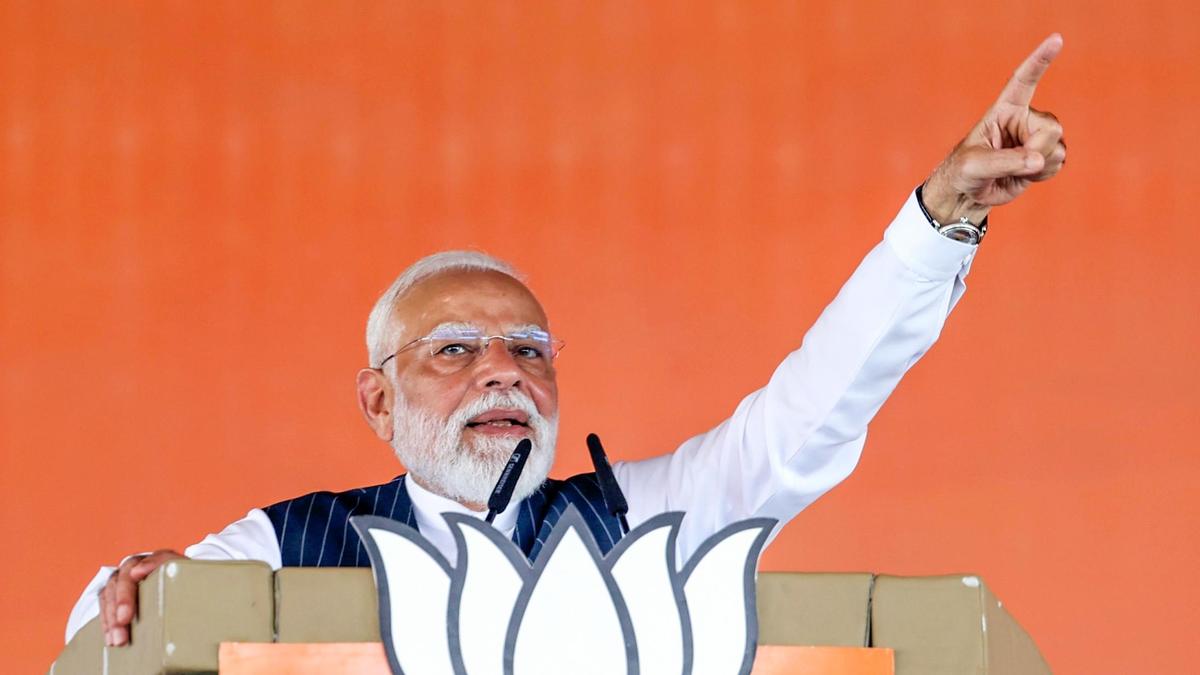
Prime Minister Narendra Modi’s sharp criticism of the Trinamool Congress (TMC) marks a pivotal moment in West Bengal’s tense political landscape ahead of the assembly elections. Modi accused the TMC of betraying women by conspiring with the Congress to block the Constitution (131st Amendment) Bill, 2026, which sought to guarantee 33% reservation for women in parliamentary and state legislature seats. This move was branded as a clear effort by the TMC to undermine women’s political empowerment—a claim that hits hard given West Bengal’s sizeable female electorate and the broader BJP push for gender inclusion in governance.
Why Modi’s Charge Matters
The 131st Amendment Bill aimed to fulfill a long-standing demand across India for enhanced political representation of women. Current reservation stands at zero in Parliament and only a handful of states have legislated local-level reservations for women, with inconsistent implementation. If passed, the amendment would have constitutionally mandated one-third of seats for women in Parliament and state assemblies, dramatically increasing female legislative participation nationwide.
The bill, however, faced resistance from opposition groups—including TMC and Congress—who argued it might disturb the gender balance or interfere with the electoral process. Modi’s framing of the coalition against the bill as a conspiracy essentially casts the TMC and Congress as actively choosing to block progress on women’s rights, a potent charge in a state where politicized gender narratives move votes. It also positions the BJP as the torchbearer of women’s empowerment, appealing to female voters and reform-minded youth.
For West Bengal, where TMC’s Mamata Banerjee has dominated politics by cultivating a strong rural and women voter base for years, this attack on her party’s stance on women’s reservation is both strategic and symbolic. It highlights growing polarization around governance reforms in a highly charged electoral year. The development adds to the ongoing narrative of TMC’s alleged hostility toward reform and BJP’s image as a transformative force.
Broader Stakes and Political Calculations
The battle over reservation is not just ideological but deeply pragmatic. Women constitute nearly 48% of the electorate in West Bengal, many of whom historically back TMC. Modi’s allegations seek to fracture that support by portraying TMC as insensitive to women’s aspirations, pressuring female voters to reconsider their allegiance ahead of the assembly polls.
Moreover, Modi’s emphasis on the bill aligns with BJP’s national strategy of pushing women’s issues as a competitive advantage. The BJP-led government has repeatedly spotlighted women’s safety, financial inclusion, and political participation reforms to consolidate support. By tying TMC to the bill’s failure, BJP extends this appeal to Bengal’s contentious political theater.
Looking nationally, this controversy shines light on the challenges constitutional amendments on social reform face in India’s fractured Parliament. It signals that despite broad rhetorical support for women’s empowerment, entrenched political interests still resist structural gender reforms that could alter legislative dynamics.
What to Watch Next
The upcoming West Bengal assembly elections will be a litmus test for how much Modi’s framing resonates with the electorate. Will Modi’s framing of TMC as betrayers of women sway female voters who have traditionally supported Mamata Banerjee? Or will TMC successfully counter this narrative by emphasizing their governance record and grassroots connections?
Additionally, the fate of the women’s reservation movement in Parliament remains uncertain. The bill’s blockage suggests that India’s gender reform agenda will continue to face significant hurdles, requiring political consensus-building beyond usual partisan divides.
For now, Modi’s sharp criticism of TMC over the 131st Amendment adds a new dimension to the battle for West Bengal, where every narrative counts in this high-stakes electoral drama.
For more insights, see  India political landscape analysis and Global Politics updates.
 West Bengal Assembly elections: PM Modi’s rally targets TMC over women's reservation bill