Delhi Woos Oslo: India’s Green Strategy
India's MPs visit Norway to strengthen ties and secure investments.
Model Diplomat2 min readEurope
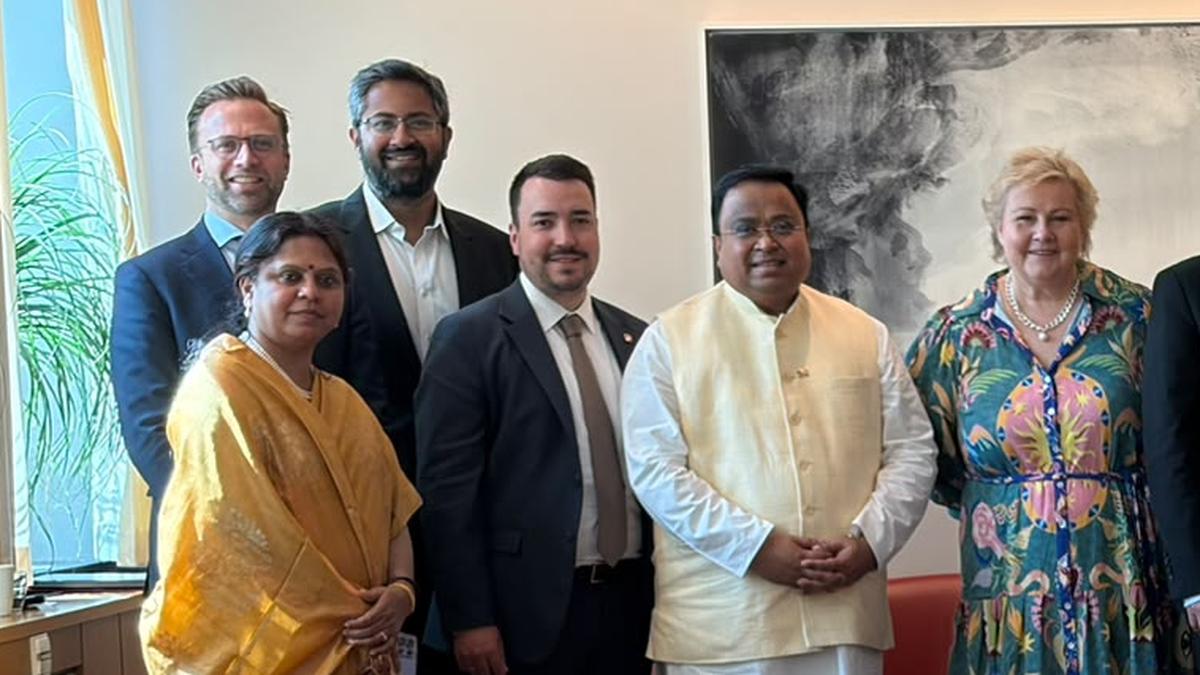
Delhi Woos Oslo: Why India Is Deploying MPs to Norway
Following Modi's landmark visit, India's parliamentary exchange in Oslo highlights its strategy to secure green capital and bypass diplomatic friction.
Legislative Diplomacy in Oslo
An Indian parliamentary delegation’s visit to Oslo this week underscores New Delhi's quiet effort to institutionalize its newly upgraded ties with northern Europe. Visakhapatnam Member of Parliament M. Sribharat met with former Norwegian Prime Minister Erna Solberg and toured the Storting, Norway’s parliament, as part of an official exchange program, according to The Hindu. The legislative visit serves as a vital follow-up to high-level executive agreements, translating top-tier statecraft into stable, cross-party political relationships.
Balancing Green Capital and Press Friction
This legislative track-two diplomacy comes immediately after Prime Minister Narendra Modi’s landmark trip to Oslo in mid-May 2026 for the third India-Nordic Summit—the first by an Indian premier to Norway in over four decades, as reported by Al Jazeera. During that visit, Modi and Norwegian Prime Minister Jonas Gahr Støre elevated bilateral ties to a "Green Strategic Partnership" designed to funnel Norway's massive sovereign wealth fund into Indian clean energy initiatives. New Delhi’s leverage lies in its fast-growing domestic market and its expanding trade network, making it an indispensable partner for European states seeking to diversify supply chains and boost
international trade away from China.
However, the high-level executive engagement also exposed delicate friction points. During the May summit, local journalists heavily criticized India over its press freedom and human rights record, prompting defensive diplomatic maneuvers by Indian officials, as documented by
Al Jazeera. By deploying multi-party legislative delegations, New Delhi sidesteps executive-level friction and builds pragmatic, broader consensus for bilateral trade and investment.
What to Watch Next
The key development to watch is Norway's upcoming political shift. Former Prime Minister Erna Solberg, who hosted the visiting Indian delegation, is the current leader of the opposition. With Norway’s domestic politics locked in tight legislative struggles ahead of the next election, Erna Solberg's Conservative Party is strongly positioned to regain control of the government. New Delhi’s preemptive engagement with both the ruling Labour coalition and the conservative opposition ensures that India's green energy pipeline will remain insulated from Norwegian electoral transitions.
Discover more

India
India-South Korea $50B Trade Expansion Plan
India and South Korea target $50 billion in bilateral trade by 2030, focusing on industrial cooperation and strategic alignment amid US pressures.

Conflict & Security
Drone Warfare Killing Aid Workers at Unprec
Over 1,000 humanitarian workers killed in three years as cheap armed drones collapse legal protections. Gaza, Sudan, Ukraine, and DRC see deliberate targeting of aid convoys and hospitals with zero prosecutions.

Global
World Normalises Taliban as Afghan Women Eras
UN data shows Afghan women erased from public life as Russia recognises the Taliban, EU hosts officials in Brussels, and ICC warrants for gender persecution go unenforced.
Conflict & Security
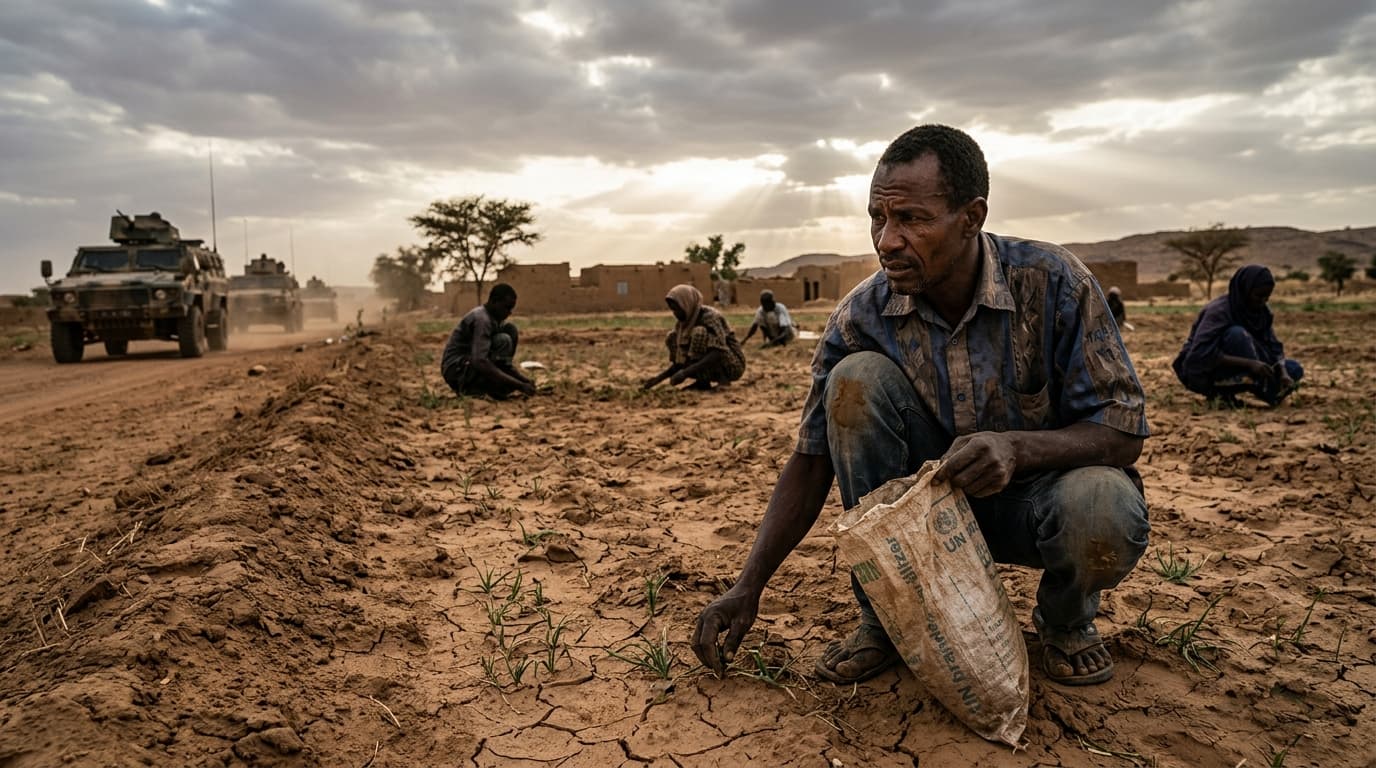
West Africa Food Crisis: Three Shocks in 2026
Conflict, climate extremes, and the Strait of Hormuz closure drive a severe food crisis in West and Central Africa, with fertilizer prices surging 80% and millions displaced.