BJP's Delimitation Strategy
Congress's K.C. Venugopal accuses BJP of exploiting women's issues.
Model Diplomat3 min readIndia
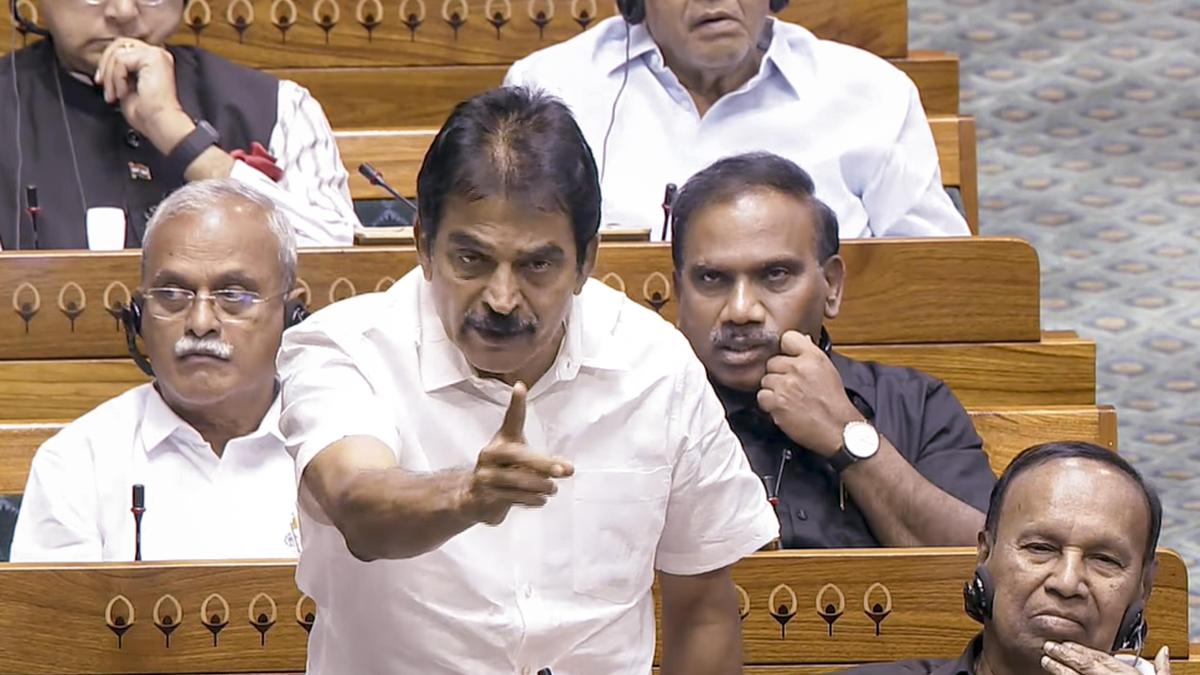
BJP Used Women as Shield to Advance Delimitation, Says Congress's K.C. Venugopal
Congress general secretary K.C. Venugopal accuses the BJP of exploiting women's reservation to fast-track delimitation amid political controversy.
BJP’s push to implement electoral delimitation along with the Women’s Reservation Act has sparked fierce political objections, notably from Congress general secretary K.C. Venugopal, who claims the ruling party is deploying women's representation as a "shield" to advance delimitation measures that serve its electoral interests. This allegation highlights growing opposition unease over the BJP’s strategic timing and framing of two intertwined but contentious reforms ahead of the 2029 elections.
Why the Delimitation-Women’s Reservation Link Matters
Delimitation—the redrawing of electoral boundaries based on the 2011 Census—has been controversial because it threatens to unsettle established political balances, especially in southern states. The BJP insists this process is necessary to adjust representation fairly, but opponents argue it is designed to preserve or improve BJP electoral advantages in certain regions while curbing regional dissent.
Concurrently, the BJP is advancing the Women’s Reservation Act (33% quota for women in Lok Sabha and state assemblies), officially known as the Nari Shakti Vandan Adhiniyam. This law aims to boost women’s political participation but remains unimplemented years after passage. The BJP’s insistence on combining these reforms enables it to frame delimitation as a step that ensures women’s representation, thereby deflecting criticism of gerrymandering or partisan motives.
According to recent reporting in Frontline, this calculated "pivot" by the BJP seeks to lock in favorable demographic and regional advantages ahead of the 2029 general elections, using the politically popular cause of women's empowerment as a bulwark against opposition backlash. Congress and others see this as a cynical political maneuver rather than a genuine commitment to women’s representation.
Congress's Critique and Political Stakes
Venugopal’s charge that BJP uses women "as a shield" encapsulates opposition fears that women’s reservation is being weaponized to push through delimitation without adequate consultations or consensus-building. Congress leaders insist on an all-party meeting chaired by the Prime Minister to ensure transparency and broad agreement on the implementation timeline for the Women’s Reservation Act and delimitation rollout.
This opposition stance reflects concerns over constitutional procedure and electoral fairness. Delimitation affects the spatial distribution of political power; complaints focus on potential attempts to marginalize opposition strongholds, particularly in the South. Women’s reservation, meanwhile, is caught in procedural limbo as its application depends on the completion of delimitation—a catch-22 enforced by the BJP’s timetable.
What to Watch Next
The immediate political battle centers on parliamentary engagement—whether the BJP will convene an all-party meeting as Congress demands or try to push through amendments unilaterally. The BJP’s next moves on delimitation and implementing women’s quotas will be a litmus test for its claims of democratic inclusion versus accusations of electoral engineering.
Observers should watch for:
- How the BJP manages opposition demands and whether it modifies its delimitation formula or referendum on women’s reservation timelines.
- Reactions from regional parties affected by delimitation, especially in southern India.
- The potential impact on women’s political representation in the run-up to the 2029 elections and related shifts in electoral demographics.
This development is a high-stakes political gambit with implications for Indian democracy’s structure and inclusivity, unfolding amid rising tensions between central power consolidation and federal diversity.
For deeper context on India’s political recalibrations, see India political profile and
Global Politics.
Sources:
Discover more
India
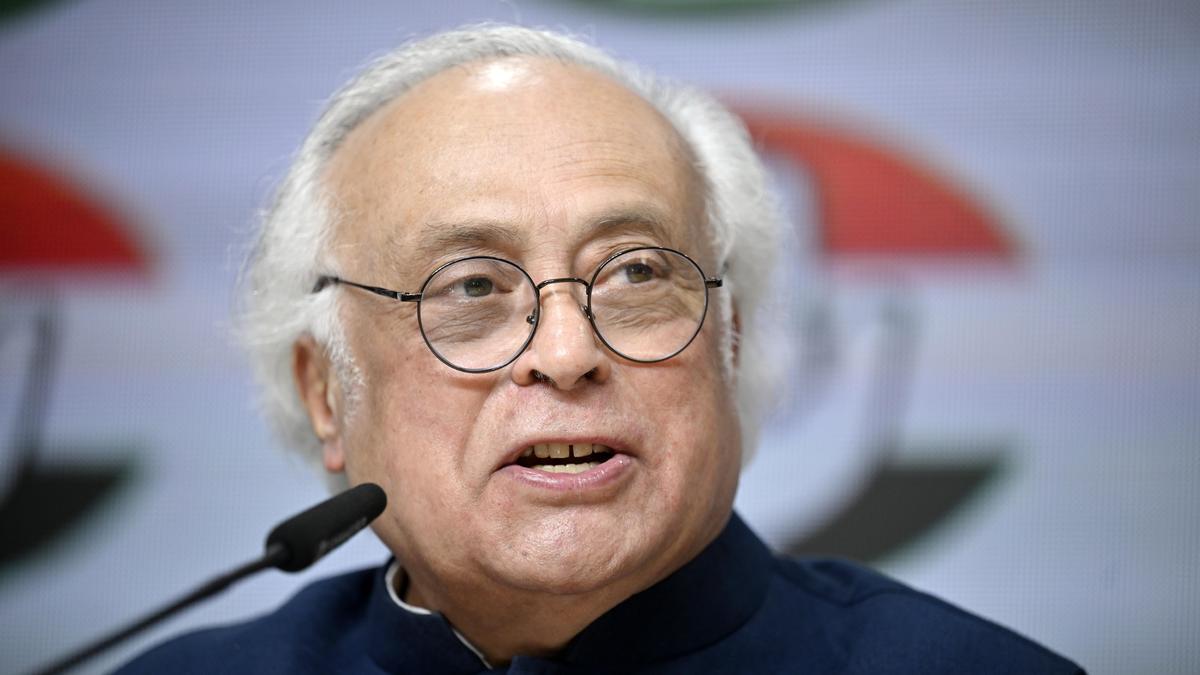
Congress Accuses Modi of Stalling Women's Law
Congress accuses Modi of stalling women's reservation law by linking it to delimitation, revealing a deeper electoral strategy.
India
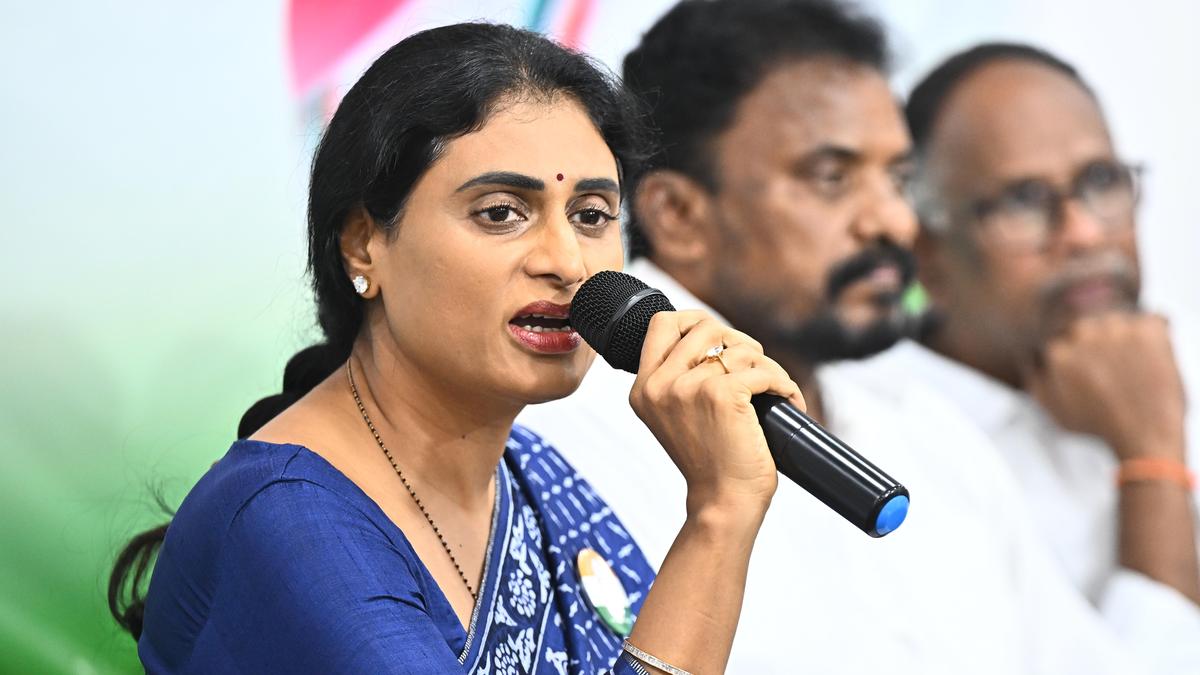
Congress Advocates 33% Women’s Quota
Congress calls for a 33% women's reservation in the existing 543 Lok Sabha seats, countering Modi's plan to expand the house to 850 seats.
India
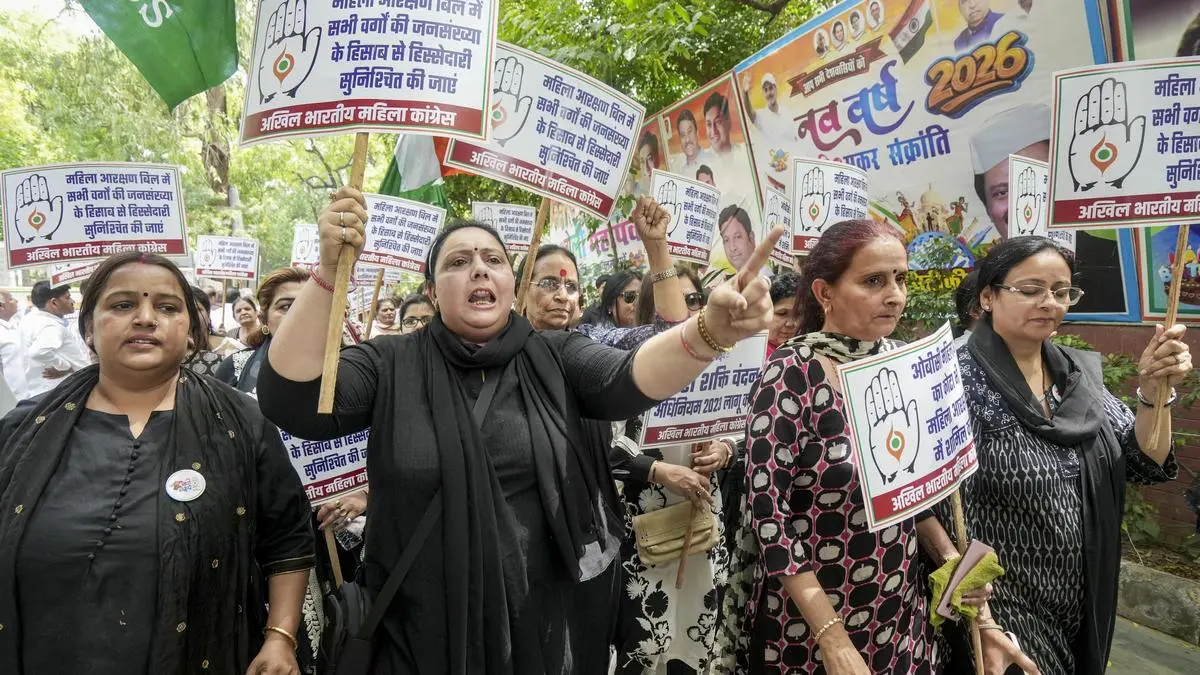
BJP's Misunderstanding of Women's Quota Needs
The BJP's linking of the Women Reservation Bill to delimitation risks delaying women's empowerment in India, misreading the aspirations of female voters.

Economics
Fed's Amex AML order puts correspondent banking on notice
Federal Reserve's Amex AML order requires board-level controls and a 90-day plan; OCC fined the bank $350 million over enterprise-wide deficiencies.