Delhi Exam Crisis: Why Pradhan Survives CBSE Grading Scandal
Shuffling top officials fails to defuse opposition heat as Modi absorbs the blowback of a botched digital-grading contract.
The sudden bureaucratic purge at the helm of school evaluation in  India has failed to quiet the political firing line. On June 1 and 2, 2026, a 31-member parliamentary standing committee chaired by Opposition MP Digvijaya Singh grilled Central Board of Secondary Education (CBSE) and Ministry of Education officials over a controversial On-Screen Marking (OSM) contract awarded to tech firm Coept Edutech. Within hours of the hearings, the government executed a major reshuffle, transferring CBSE Chairman Rahul Singh and School Education Secretary Sanjay Kumar.
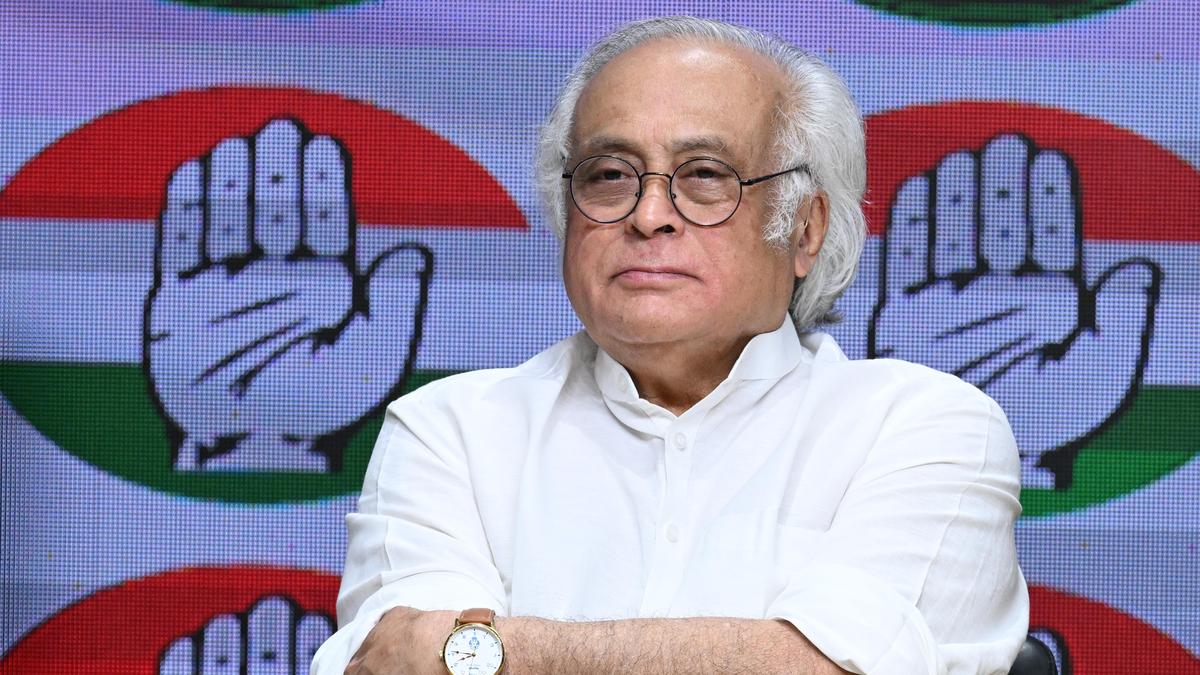
For the opposition, shuffling career civil servants is mere crisis management. In a sharp critique reported by  The Hindu, Congress general secretary Jairam Ramesh demanded to know why Prime Minister Narendra Modi continues to defend Union Education Minister Dharmendra Pradhan. Ramesh argued that targeting frontline bureaucrats only shields the political leadership directly responsible for systemic oversight failures.
The Collapsing Digital-Grading Experiment
The immediate driver of the public anger is the sheer scale of the administrative collapse. The newly introduced OSM system, which digitized the grading of over 1.7 million final-year secondary school papers, was intended to modernize evaluation. Instead, as documented by  BBC News, the transition resulted in extensive technical errors, leading to more than 400,000 students—almost a quarter of all test-takers—applying for marked copies of their answers to contest their results.
This is not a simple computing glitch; it is an issue of administrative integrity. A student whistleblower named Sarthak presented evidence to parliament showing how CBSE’s tender guidelines were systematically altered across three rounds to secure the contract for Coept Edutech. This exposure, compounded by glaring errors such as uploading wrong exam papers under students' profiles, has converted a technical failure into a lucrative corruption scandal targeting the ruling party.
Modi’s Political Calculations and What to Watch Next
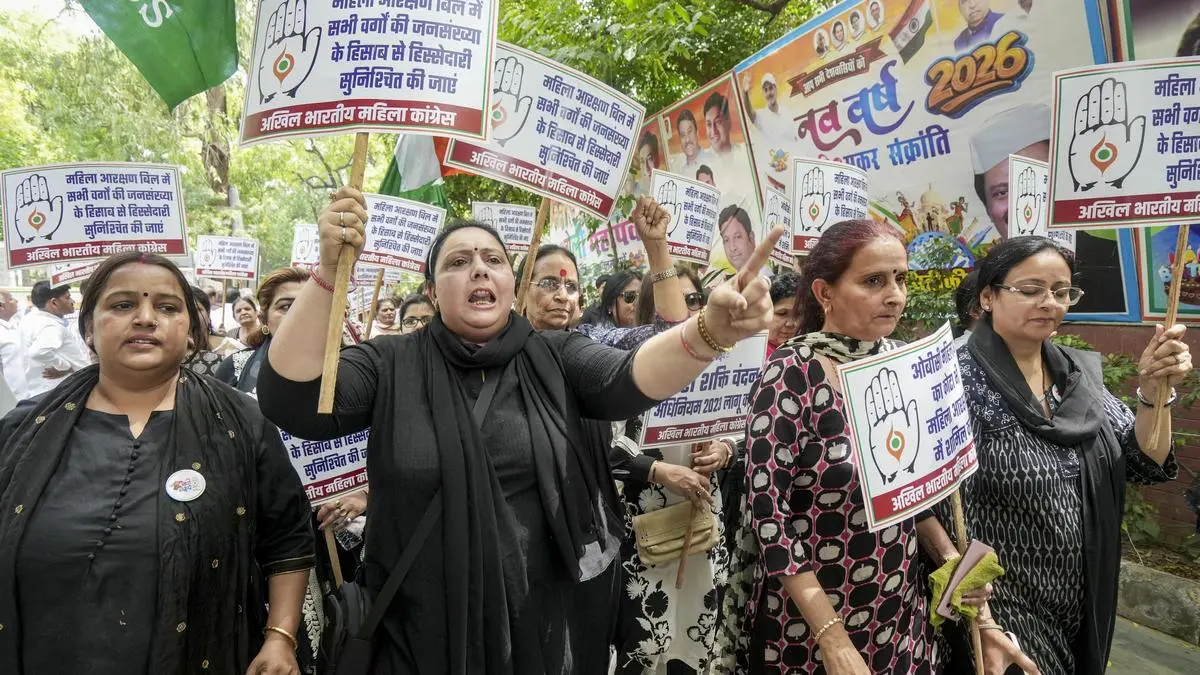
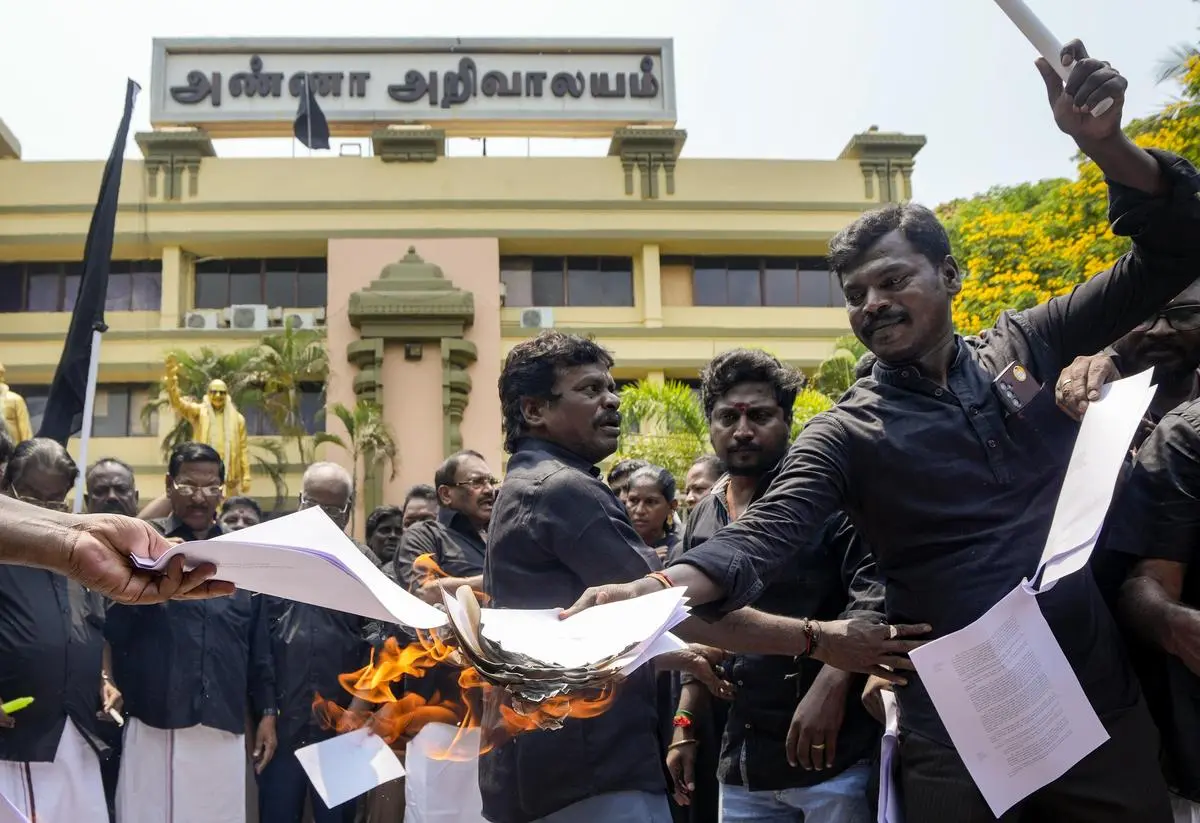
For Prime Minister Modi, however, Pradhan remains too valuable a loyalist to sacrifice under opposition pressure. Pradhan acts as a primary party organizer in the politically vital state of Odisha, and historically, the Prime Minister avoids sackings that look like capitulations to Congress leader Rahul Gandhi. Pradhan has previously survived nationwide protests over National Eligibility-cum-Entrance Test (NEET) leaks, which, as reported by  Al Jazeera, triggered immense outrage earlier this year. Shifting administrative blame downstream remains Modi's primary strategy to protect executive authority.
The crisis now hinges on two key points. First, the Ministry of Education’s newly formed one-member inquiry committee must review the CBSE's contracting process with Coept Edutech; any confirmation of rigged bids will make Pradhan’s presence an ongoing electoral liability. Second, the hard deadline of university admissions in late June means hundreds of thousands of student grades must be physically re-evaluated in weeks, representing a logistical race that will dictate whether this academic crisis spills over into wider street demonstrations.