Labor Unions Confront Modi Over Wages and Privatization
As inflation erodes purchasing power, India's trade unions demand a ₹26,000 minimum wage and threaten national shutdowns to halt economic overhauls.
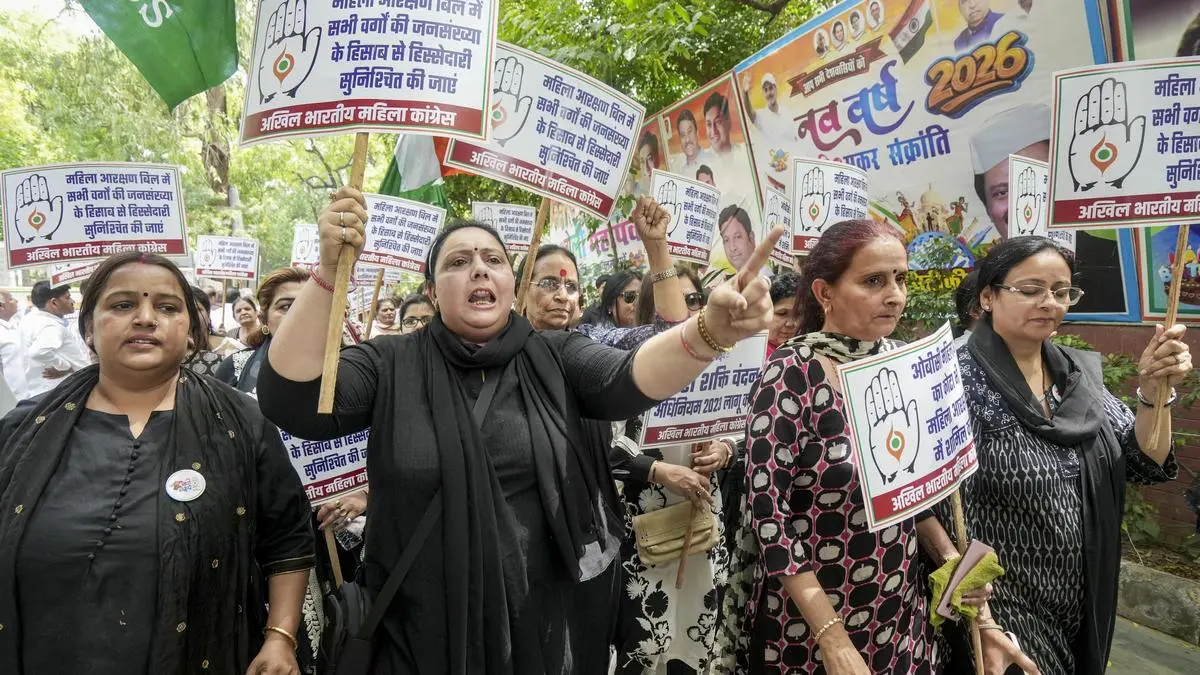
On June 2, 2026, the All India Trade Union Congress (AITUC) used its national council platform in Thrissur, Kerala to directly challenge the federal government's economic liberalization agenda. According to  The Hindu, India's second-largest trade union formally demanded a national minimum wage of ₹26,000 ($312) per month, while strongly condemning the ongoing privatization of state-owned enterprises. This demand signals a sharp, coordinated escalation by labor groups against the Narendra Modi government's business-friendly regulatory reforms.
The Leverage Battle Over Labor Codes
The confrontation stems from a structural overhaul that has been years in the making. In late 2025, the Modi administration rolled out four major labor codes that subsumed 29 aging federal laws, aiming to enhance manufacturing competitiveness and simplify rules for foreign capital, as reported by  Al Jazeera. While the government argues these codes bring regulatory clarity and improve social security, trade unions view them as a calculated erosion of collective bargaining power. Specifically, the codes raise the threshold for government approval of layoffs from 100 to 300 employees and mandate a 14-day strike notice across all private and public industries.
This regulatory squeeze is meeting fierce resistance on the ground. AITUC is capitalizing on growing working-class anger in  India over a widening gap between wages and basic living expenses. Earlier this spring, massive protests erupted across northern industrial clusters like Noida, where thousands of non-unionized factory workers clashed with police over stagnant pay, according to
  BBC News. By setting the minimum-wage demand at ₹26,000, AITUC is attempting to unify these disparate, wildcat strikes under a single banner, forcing the federal government to negotiate.
Beneficiaries and Losers of the Reform Era
The current dispute exposes deep divisions between corporate interests and India's massive informal workforce. The prime beneficiaries of the government's current trajectory are large-scale manufacturing firms and multi-nationals looking to set up supply bases outside China, who gain unparalleled flexibility in hiring, firing, and operating under fewer regulatory hurdles.
Conversely, the immediate losers are workers in the informal sector, who make up about 90% of the country's workforce and earn well under ₹25,000 monthly, according to data cited by BBC News. The legal avenues for these vulnerable labor pools are shrinking rapidly; in early 2026, the Supreme Court of India rejected a petition by trade unions to establish a mandatory minimum wage for domestic workers, fearing it would trigger excessive household litigation, as reported by  NPR. This legal setback leaves workers almost entirely dependent on street protests and political pressure to gain wages, as employers face no legislative compulsion to raise them.
What to Watch Next
The key battleground now moves to the state legislatures. Under India's constitution, labor falls under the "concurrent list," meaning individual state governments must draft and implement the specific rules aligned with Delhi's federal codes. Watch the upcoming state-level wage revisions and the scheduled union demonstrations in late June 2026 to see if central trade unions can successfully trigger a coordinated general strike. If state governments in industrial hubs like Haryana or Maharashtra delay implementation of the code rules to appease local labor, it will signal a major roadblock for Modi’s broader international investment strategy.