State Power vs. Elite Hubris: The Battle for Gymkhana Club
The Modi government's eviction notice to the Delhi Gymkhana Club represents a calculated strike against the capital's traditional power brokers.
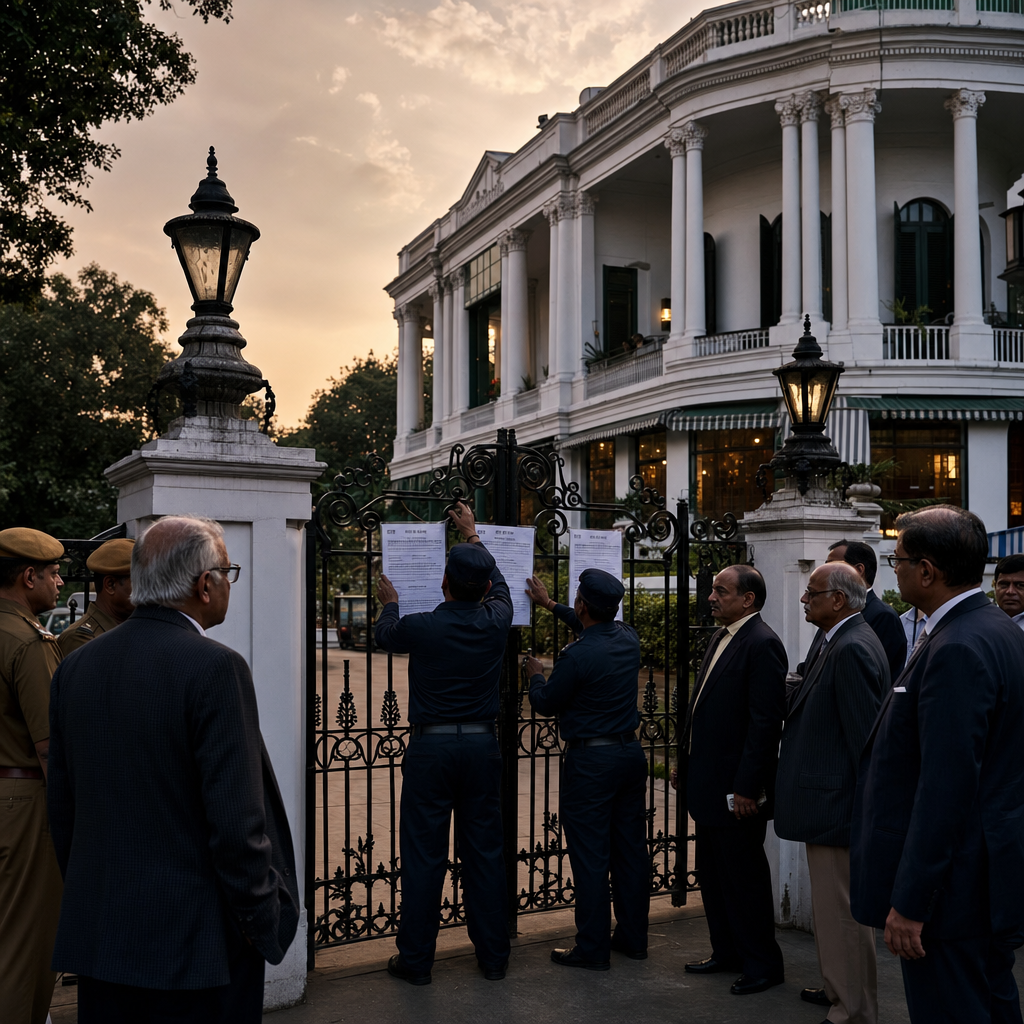
The federal government has issued an eviction notice ordering the iconic 113-year-old Delhi Gymkhana Club to vacate its sprawling 27.3-acre premises by June 5, 2026, citing strategic "defence infrastructure" needs. The action, as reported by the  BBC, targets a highly sensitive zone located directly adjacent to the prime minister's official residence. While the government claims national security dictates the move, the eviction is actually the culmination of a decade-long campaign by the Bharatiya Janata Party (BJP) to dismantle the entrenched network of Delhi's English-speaking, old-money establishment.
A Clash of Class and Leverage
The current crisis is a direct consequence of the colonial-era club's historical reluctance to share its social capital. As detailed in  The Indian Express, members of Delhi's drawing rooms now admit that the crisis stems from the rigid, gatekeeping attitude of previous managing committees, who routinely snubbed and locked out the rising political class and emerging bureaucratic elite. This institutional arrogance left the club politically isolated. By comparison, elite clubs in Mumbai—including the Western India Turf Club and the Bombay Gymkhana—safeguarded their survival by striking pragmatic compromises and opening their membership rolls to influential state officials.
By contrast, the Delhi Gymkhana chose defiance, resulting in a systemic regulatory onslaught. The Ministry of Corporate Affairs initiated inspections starting in 2016, eventually taking over the club’s management in 2022 via a government-appointed administrator, as documented by the  Financial Times. The June eviction order is the final blow, leveraging the fact that the state owns the underlying land.
The political strategy here is clear. Shifting the domestic center of gravity in  India away from the old Nehruvian elite has been a primary governance goal under Prime Minister Narendra Modi. By dismantling the watering holes of Delhi's old guard, the ruling party is signaling that family pedigree and colonial-era credentials no longer buy protection.
The Court Reprieve and the New Elite
The immediate threat of a physical lockout has been briefly paused. The federal government informed the Delhi High Court that it would not execute a sudden takeover on June 5 without first serving statutory notices under the law, according to the BBC. While this grants the club's administration procedural breathing room to launch further legal challenges, it does not alter the fundamental power dynamic. The state holds all the high cards: ownership of the land, regulatory control over corporate governance, and a populist narrative that rewards strikes against entrenched privilege.
Furthermore, the broader socio-economic ecosystem in Global Politics has already begun moving past these Raj-era institutions. While the old guard fights to preserve its legacy, a burgeoning class of self-made corporate executives and tech founders is bypassing the traditional gymkhanas entirely. A parallel report by the BBC notes that modern, commerce-focused spaces like Soho House and the Quorum are rapidly expanding to serve a new elite that values professional accomplishment over hereditary lineage.
What to Watch Next
The immediate flashpoint is the Delhi High Court, which will determine whether the government’s invocation of national security and defense needs constitutes a legally sound basis for terminating the club's lease with immediate effect.
Watch the administration's next move. If the court upholds the government's right to repossess the land, the BJP will successfully close the book on one of the ultimate physical symbols of Delhi's post-colonial establishment. If the courts grant a long-term stay, the government is highly likely to increase regulatory and financial audits on the club's past management to force a voluntary surrender.