Starmer’s King’s Speech Is a Test of Control
Keir Starmer is trying to turn a bruising political week into a legislative reset, but Labour’s MPs and the calendar now set the limits.
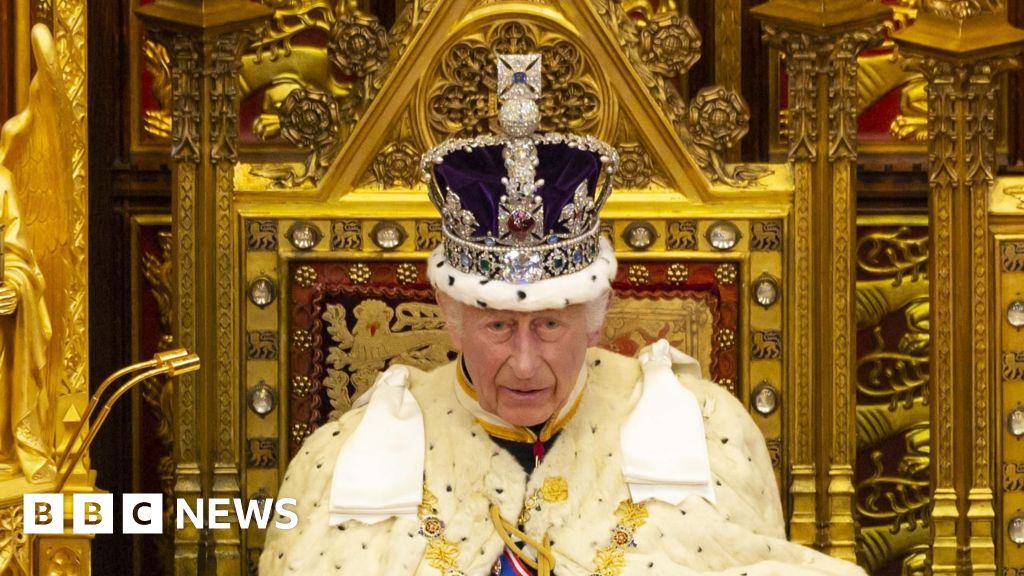
Keir Starmer is using the King’s Speech to reassert control of the agenda after a difficult run of election results, with Charles III due to set out a packed programme of bills on 13 May, according to  BBC News and
  POLITICO. The power dynamic is clear: No. 10 needs this session to look like delivery, while Labour backbenchers, the Lords and the May election fallout all tighten the squeeze on what the government can actually get through.
Why this speech matters
The speech is not just a list of bills. It is Starmer’s attempt to prove that Labour still has momentum after what the BBC described as a “disastrous” set of local election results, and to do it before critics inside the party can turn those losses into a broader challenge. BBC News reported that the speech will be scrutinised more intensely than usual for exactly that reason. In Westminster terms, that gives the government one advantage: it controls the parliamentary script for the next session.
But the same timing also exposes its weakness. POLITICO reported that the speech is expected to come just days after the local contests, which means the government is asking MPs to back a fresh programme while they are still digesting a political setback. POLITICO put it bluntly: this is a bid to move the conversation on.
What Starmer is actually trying to do
The bill list points to a government trying to show competence in three directions at once. First, it wants an EU reset: the BBC says ministers plan legislation to let the UK adopt EU single market rules in areas such as food standards, while POLITICO reported plans for a wider legal framework to align with EU rules in fields including food standards and emissions trading. BBC News POLITICO
That benefits exporters, agrifood producers and Treasury officials who want smoother trade. It risks angering Brexit hardliners who will read any dynamic alignment as rule-taking by another name. The government is betting the economic gain outweighs the political noise.
Second, it is trying to reclaim the language of fiscal discipline. The BBC says ministers are preparing a fresh welfare bill, including a ban on under-22s claiming incapacity benefits, after Labour MPs forced them to water down an earlier package. BBC News That is a clue to where power really sits: the parliamentary party has already shown it can force concessions.
Third, the government wants to show it can still make the machinery of the state work. The BBC’s list includes a National Wealth Fund Bill, a Financial Services Bill, a new water regulator, energy legislation and changes to voting rules. BBC News Those measures help ministers argue they are governing, not just reacting.
What to watch next
The key date is 13 May, but the real test is the weeks after, when bills start colliding with time. As BBC reported in a separate piece, legislation that does not finish before prorogation can die and have to start again, which gives the government an incentive to carry over only the laws it can actually pass.  BBC News
Watch two things: whether the EU reset bill is framed narrowly enough to avoid a Labour revolt, and whether welfare cuts survive contact with Starmer’s own MPs. If either runs into trouble, the King’s Speech will look less like a reset than a warning that this government’s room for manoeuvre is already shrinking.