Iran War Day 74
Ceasefire treated as a bargaining chip amid escalating tensions.
Model Diplomat3 min readMiddle East
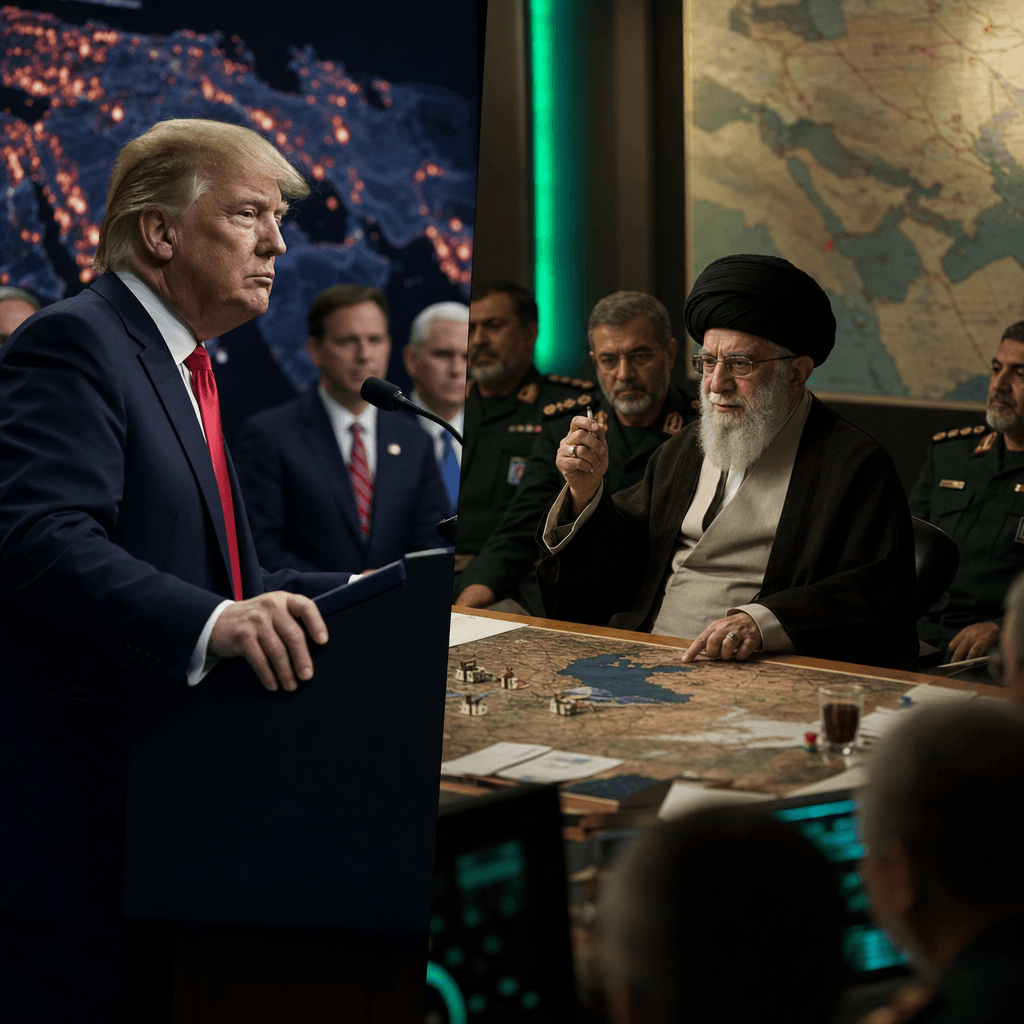
Iran War Day 74: Trump Presses, Tehran Tests Leverage
Iran is trying to turn its control over escalation, shipping and nuclear ambiguity into bargaining power; Washington is trying to force surrender terms without paying the price.
On day 74 of the war, the ceasefire is being treated as a bargaining chip, not a settlement. Tehran said it is ready to respond to “any aggression,” while US President Donald Trump called the truce “on massive life support” after rejecting Iran’s latest response to his peace proposal, according to Al Jazeera. The immediate power struggle is straightforward: Washington wants Iran to accept limits on enrichment and maritime behavior first; Tehran wants sanctions relief, frozen assets released and some form of guarantee that the war will not simply restart.
Why Tehran thinks it has room to push
Iran’s bet is that it still controls enough of the pressure points to make a purely coercive US deal costly. Al Jazeera reports that Iranian officials are demanding the lifting of sanctions, the release of frozen assets and an end to what they call the US blockade, while also insisting on broader regional security guarantees. Al Jazeera says the Iranian counterproposal also linked any settlement to reopening the Strait of Hormuz and ending hostilities “on all fronts,” including Lebanon.
That is the key move: Tehran is not just negotiating nuclear constraints; it is trying to reprice the whole regional war. If it can hold Hormuz and keep the talks alive, Iran can force oil markets, shipping insurers and European capitals to absorb the cost of delay. That is leverage, even in a weakened military position. It also explains why Iranian parliament speaker Mohammad Bagher Ghalibaf warned the US would be “surprised” by any retaliation, as reported by Al Jazeera.
Washington’s pressure campaign is still the stronger hand
The US and its partners are trying to convert economic and maritime pressure into political surrender. Al Jazeera reports that Trump dismissed Tehran’s response as “totally unacceptable,” while the US and UK rolled out new sanctions tied to Iranian oil sales to China. The same reporting says Britain and France will host defence ministers from 40 countries to discuss restoring trade flows through Hormuz.
That tells you where the leverage sits: the US is using sanctions and naval pressure to widen Iran’s pain, while trying to prevent Tehran from normalizing its control over the waterway. The problem for Washington is that its demands are maximalist too. AP via The Washington Post reports Trump said the ceasefire is on “life support” after rejecting Iran’s latest proposal, underscoring how little diplomatic slack remains.
What to watch next
The next decision point is Tuesday’s London meeting on Hormuz security, where the UK and France will try to coordinate a maritime response before shipping disruptions harden into a longer blockade. If that meeting produces a more visible naval or sanctions package, Tehran is likely to answer with more brinkmanship, not compromise. If it does not, the market will assume the ceasefire is slipping from fragile to temporary — and the Strait of Hormuz remains the main lever both sides can still use.
For the wider geopolitical picture, see Global Politics and
United States.
Discover more
Global
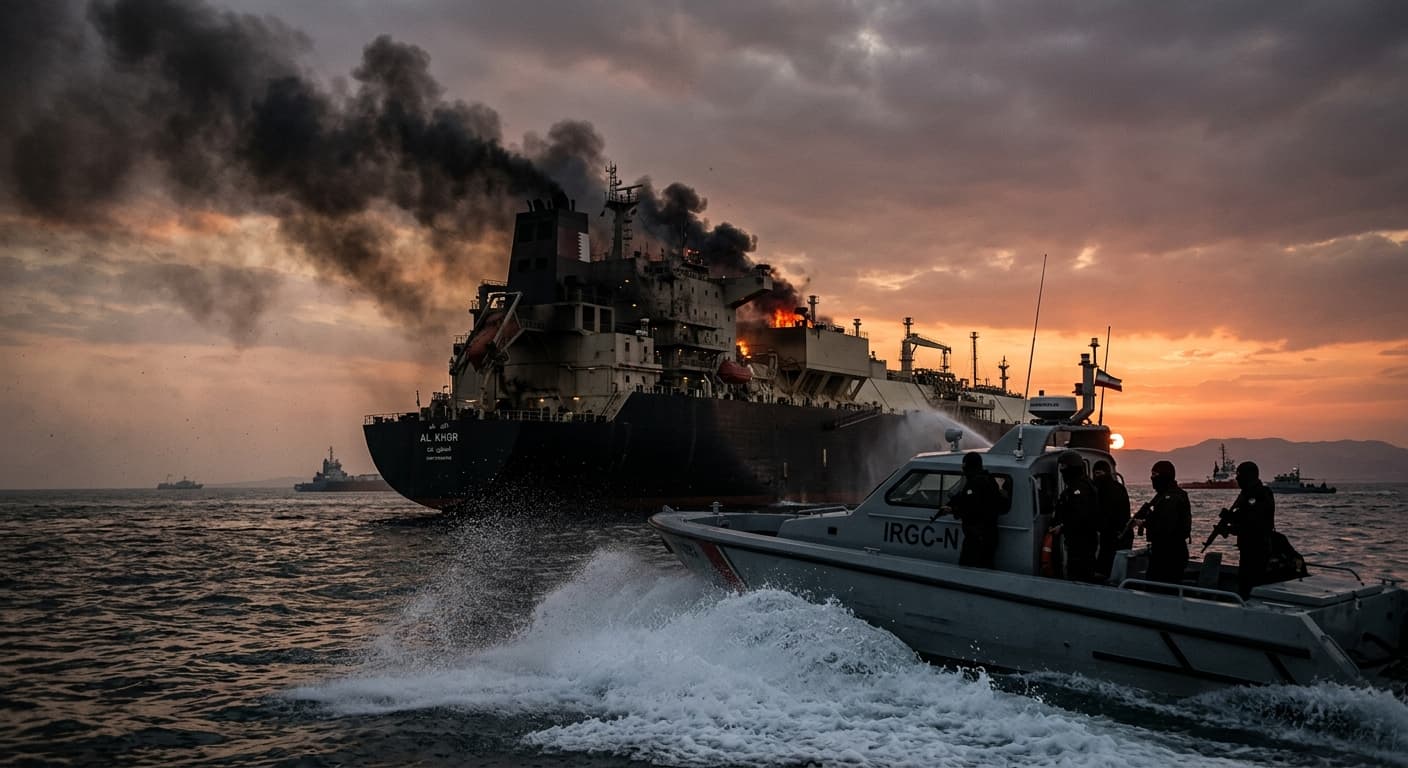
Qatari Tanker Strike Exposes Hormuz Tensions
A Qatari tanker was struck off Oman, revealing the fragility of the Hormuz ceasefire and Iran's influence over maritime security.
Global
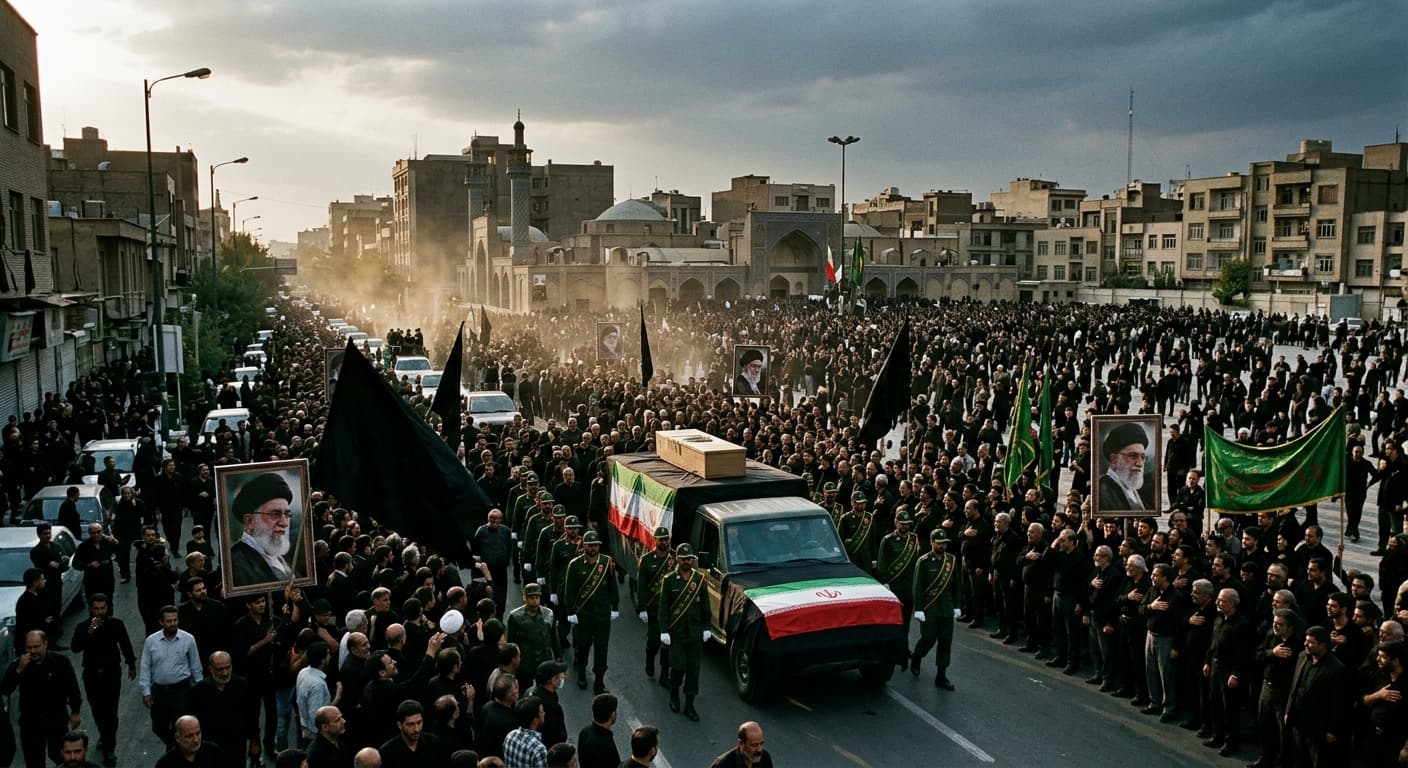
Khamenei's Funeral Signals Iran's Decline
The funeral of Ayatollah Khamenei highlights Iran's diminished influence in the Gulf, with regional powers now dictating terms.
Global
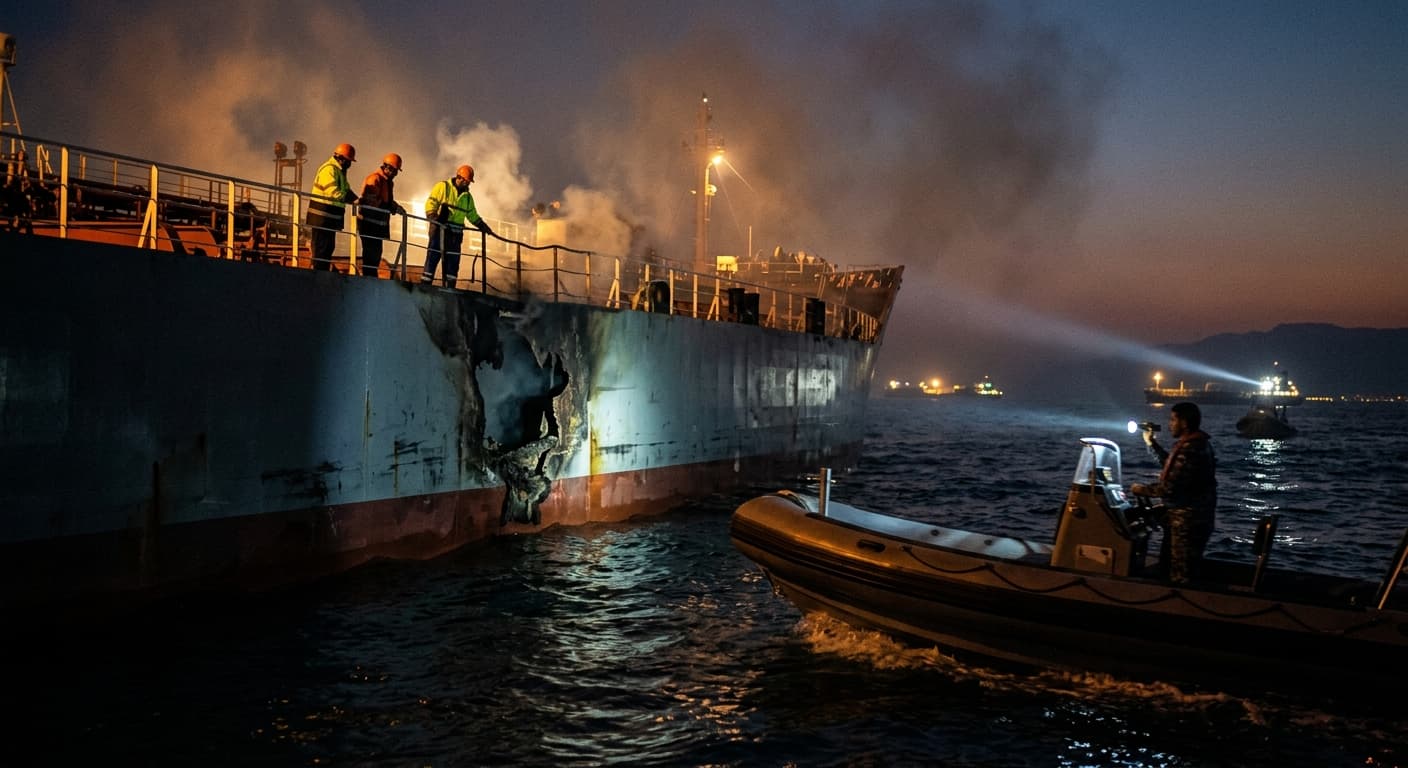
Iran's Hormuz Missile Strikes: A Toll Booth
Iran's missile attack on a Qatari-linked tanker highlights Tehran's strategy to control the Strait of Hormuz, impacting Gulf states and maritime law.
Tech Policy
Iran's Cavern Manticore Targets Israel's IT
Cavern Manticore, an Iran-linked hacking group, targets Israeli IT vendors, prompting a shift in Israel's cybersecurity policy and legislative efforts.