Trump's China Trip
Analyzing the dynamics of Trump's visit to China.
Model Diplomat3 min readAsia
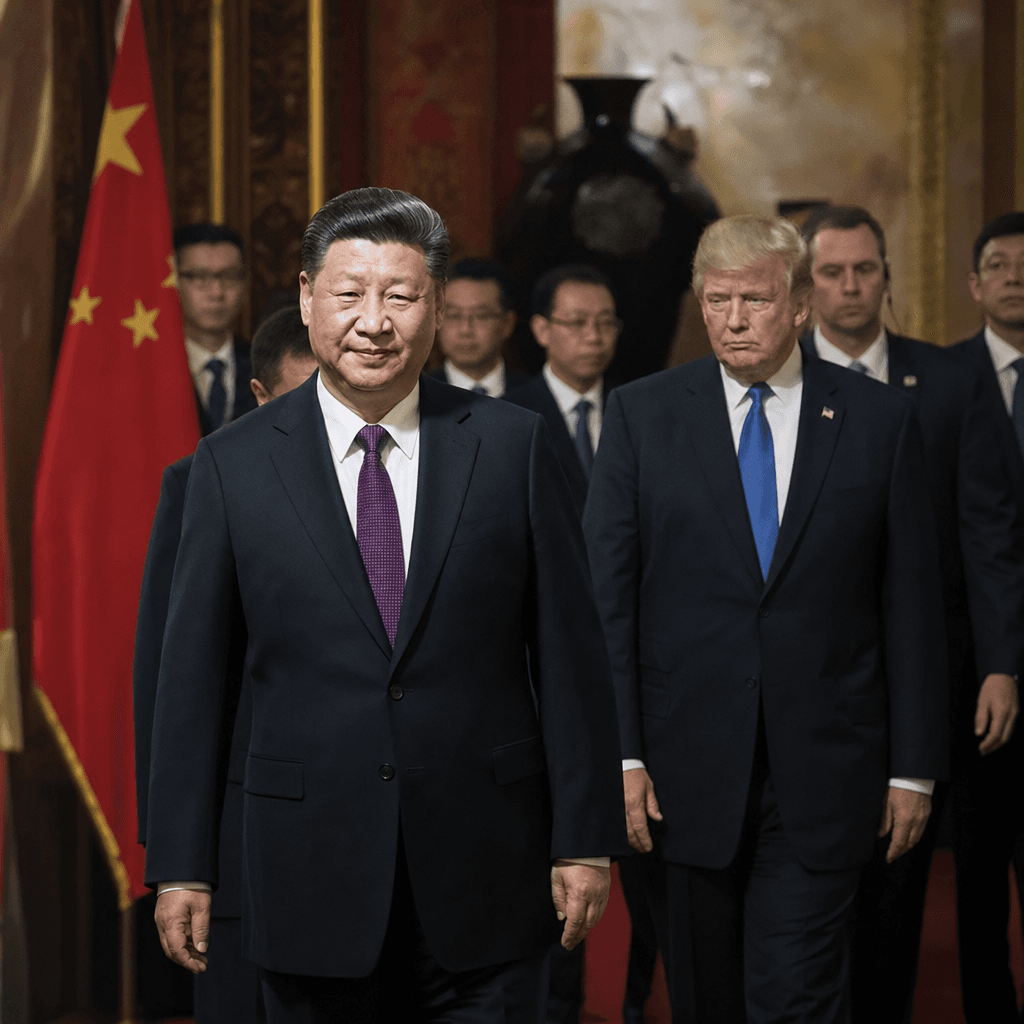
Trump’s China trip is a leverage test, not a breakthrough
Xi holds the stronger hand on trade, rare earths and timing; Trump wants optics, purchases and a pause in the pressure.
Trump’s state visit to China from May 13–15 puts Xi Jinping in the position of gatekeeper: Beijing has confirmed the trip and says the two leaders will discuss bilateral ties, while Chinese officials frame the meeting around “equality, respect and mutual benefit” rather than concessions (China Daily). That matters because the agenda is already loaded with the issues where each side has something the other needs: tariffs, technology, Taiwan, Iran and access to critical minerals (
BBC,
Al Jazeera).
China enters with more leverage than Washington
Beijing is not treating this as a summit for grand reconciliation. The Chinese line is that the talks should “inject more stability and certainty” into a volatile world, but the substance points the other way: China wants tariff relief, fewer tech restrictions and reassurance on Taiwan, not a public climbdown (China Daily,
Xinhua). That is a stronger opening position than Washington’s. China’s export base is still resilient, and its control over rare earths gives it a coercive card the United States cannot quickly replace (
BBC).
The practical result is that Trump is walking into Beijing needing deliverables he can sell at home: soybean and aircraft purchases, maybe a trade-investment framework, and a visible pause in the tariff fight (BBC). That helps Trump politically, but it also means the U.S. is negotiating from a position where it has already spent a lot of pressure and now needs China to hand back a partial win.
The real fight is over red lines, not handshakes
The most dangerous file is Taiwan. Trump has said he will raise U.S. arms sales to Taiwan directly with Xi, while also insisting a clash is unlikely and that his relationship with Xi will keep things calm (Al Jazeera). Beijing will treat that as the core sovereignty test of the visit, not a side issue. Any U.S. language that sounds like bargaining over Taiwan will be read in Beijing as escalation, even if Trump sees it as transactional deal-making.
Iran is the second pressure point. Washington wants China to curb oil purchases and dual-use exports that it says help Tehran, while Chinese officials are more likely to resist being pulled into America’s Middle East fight (BBC,
Washington Post). That gives Xi another advantage: he can wait out a U.S. administration that wants Chinese cooperation on a crisis China did not create.
What to watch next
The key question is whether the meeting produces a narrow truce or just avoids a blow-up. Watch for three things: whether Trump leaves with a tariff pause or purchase pledges; whether either side announces a new trade or investment channel; and whether the public statement mentions Taiwan in unusually sharp language. The next real decision point is the end of the visit on May 15, when both sides will have to decide whether this was a stabilizing reset or a managed freeze (China Daily,
BBC).
Discover more
Global Politics
Trump's Conflicting Messages on Iran War
Trump's mixed messages on Iran reflect a strategy of audience management, benefiting Tehran amid a complex geopolitical landscape.
Conflict & Security
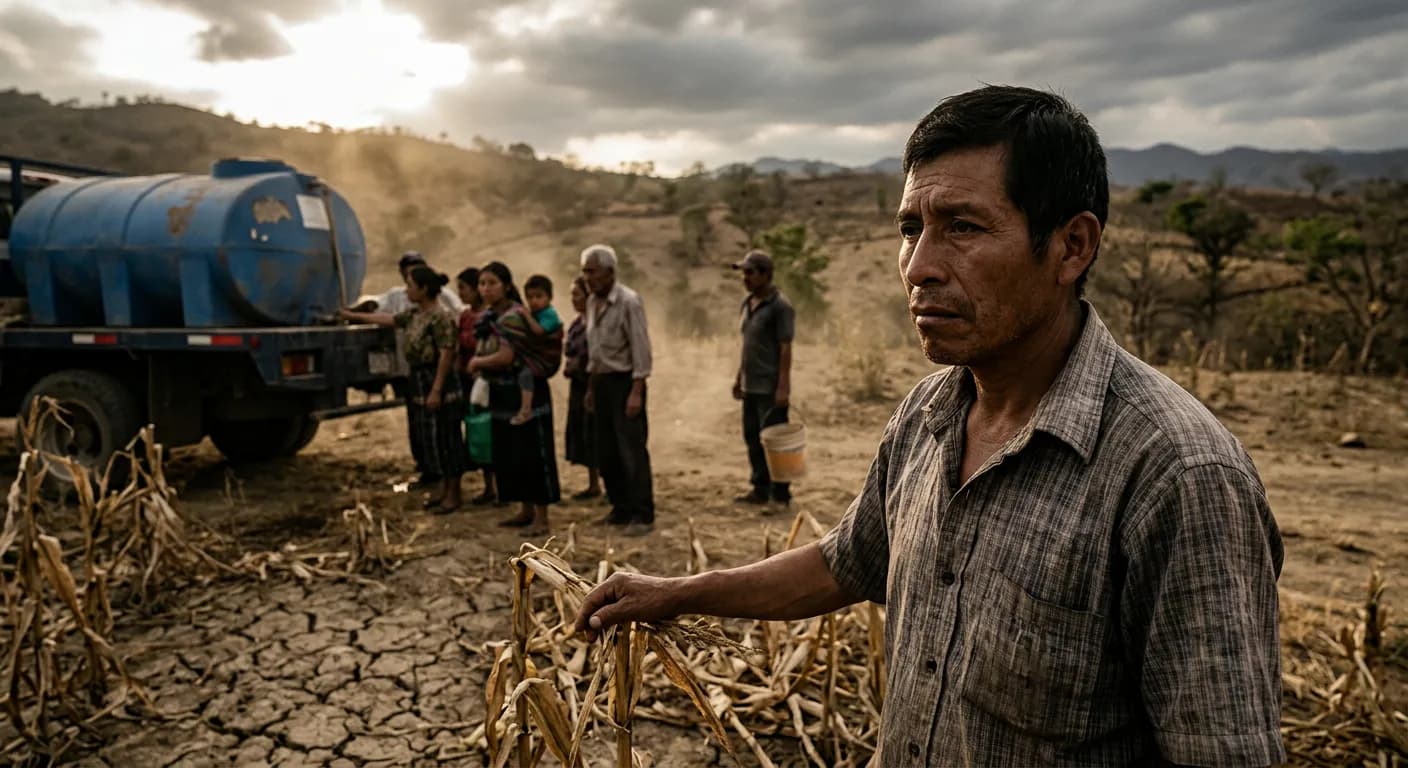
Guatemala: El Niño 2026–27 becomes regional security test
UNICEF: 25.8M children face El Niño risks in Latin America; Guatemala maps 188 municipalities for drought and food insecurity amid regional security test.

Economics
Fed's stress-test overhaul is a capital-smoothing exercise
Federal Reserve finalized stress-test overhaul: two-year averaging for bank capital buffers and public input, expected to halve volatility.

Conflict & Security
Drone Warfare Killing Aid Workers at Unprec
Over 1,000 humanitarian workers killed in three years as cheap armed drones collapse legal protections. Gaza, Sudan, Ukraine, and DRC see deliberate targeting of aid convoys and hospitals with zero prosecutions.