ECI’s voter-roll clean-up reaches 22 states, 40 crore electors
The Election Commission is moving its Special Intensive Revision into its largest phase, but the schedule now collides with the Census and fresh political resistance.
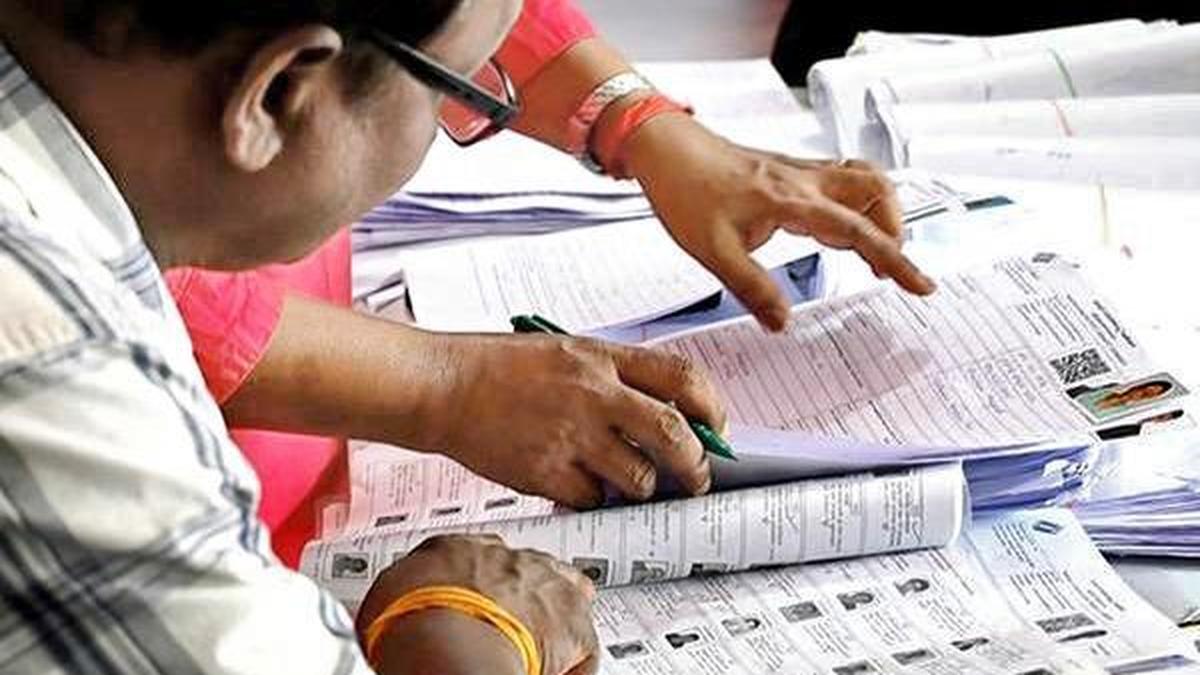
The Election Commission of India is set to launch phase III of the Special Intensive Revision (SIR) “in the coming days,” covering the remaining 22 States and Union Territories and nearly 40 crore electors, after holding back the exercise during assembly polls in Kerala, Assam, Puducherry, Tamil Nadu and West Bengal,  The Hindu reported. That makes this the final and largest sweep in a nationwide roll-up that the Commission says will eventually cover all States and UTs. The Hindu,
  CNBC TV18
Why the Commission is pushing now
This is less about a routine roll revision than about who controls the voter list ahead of the next election cycle. In the earlier phases, the ECI says it covered about 60 crore voters and pruned the combined rolls in nine States and three UTs by 10.2%, removing 66.9 lakh deceased electors and another 63.16 lakh names after objections and adjudication, The Hindu reported. Those numbers show the Commission’s leverage: if it can execute SIR cleanly, it strengthens its claim that it is hardening the rolls against duplication, dead entries and migration-related errors.
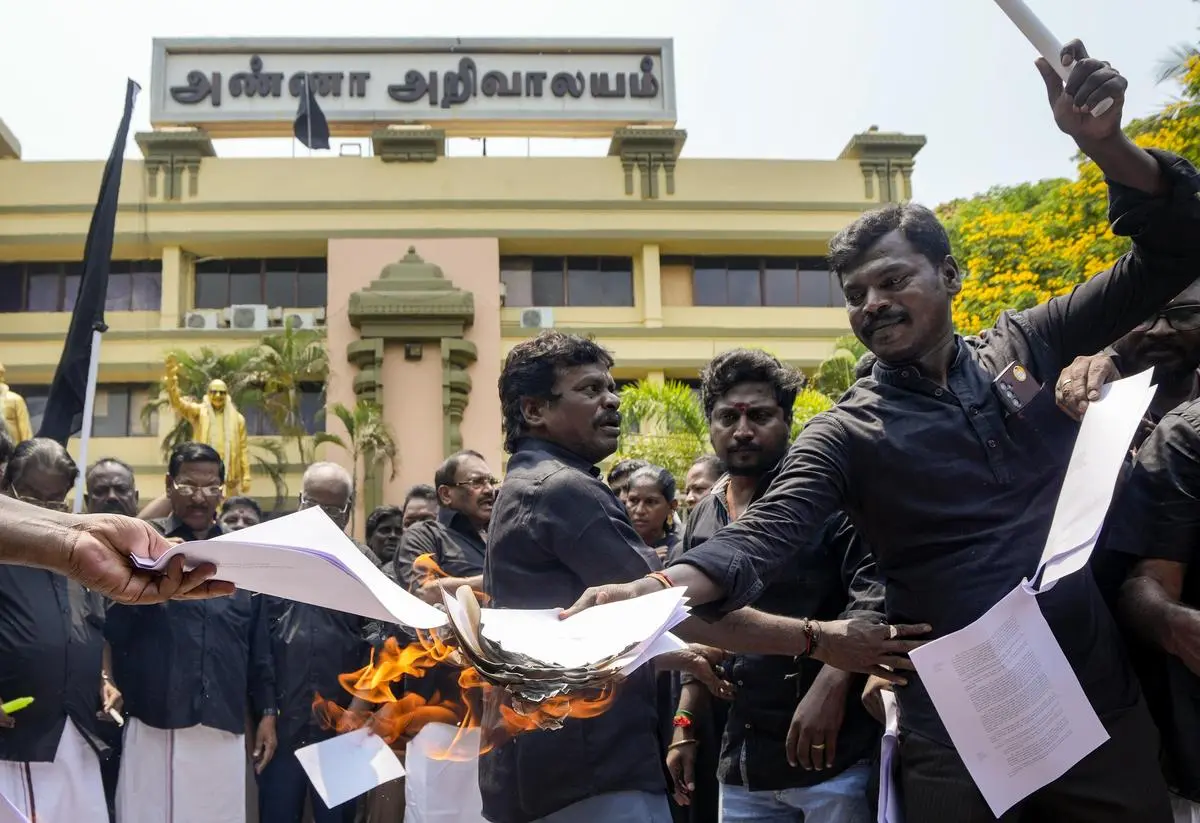
But the same scale is why the process has become politically charged. The Hindu said opposition parties have accused the ECI of using SIR to target voters not aligned with the BJP and its allies, after Commission officials had claimed during the Bihar exercise that people from Bangladesh, Nepal and Myanmar had been found by field staff but later did not publish supporting numbers or proof. The Hindu That gap — between a sharp claim and thin public evidence — is where the controversy sits.
For a broader lens, this also fits the  India political calendar: the ECI is not only cleaning rolls, it is choosing when to do so, and timing is power.
The real constraint is not politics alone
The harder operational problem is overlap. The next phase of SIR will have to be sequenced against the Population Census 2027 house-listing operation, which is scheduled to begin on April 1 and will rely heavily on government-school teachers, the same pool often used as booth-level officers for SIR, The Hindu reported. That means the Commission is not just managing electoral integrity; it is managing scarce administrative capacity.
There is also a governance backstop. A parliamentary standing committee has already urged the ECI to ensure that no genuine voter is removed and that seniors, persons with disabilities, economically weaker sections and migrants are not burdened by the process, The Hindu reported. That warning matters because SIR’s political legitimacy will depend less on how many names are cut than on whether the Commission can prove that eligible voters were not lost in the clean-up.
What to watch next
The next decision point is the ECI’s formal phase-III schedule and whether it staggers work to avoid colliding with Census deployment. Watch for three things: whether the Commission reuses the April timeline from earlier guidance, whether it grants more state-specific extensions, and whether fresh legal challenges emerge from states that have already resisted SIR. If the ECI gets the sequencing right, it locks in administrative control over the rolls; if it doesn’t, the exercise becomes another protracted fight over who gets counted.