EU's Taliban Talks
Brussels considers talks with Taliban for Afghan deportations.
Model Diplomat3 min readEurope
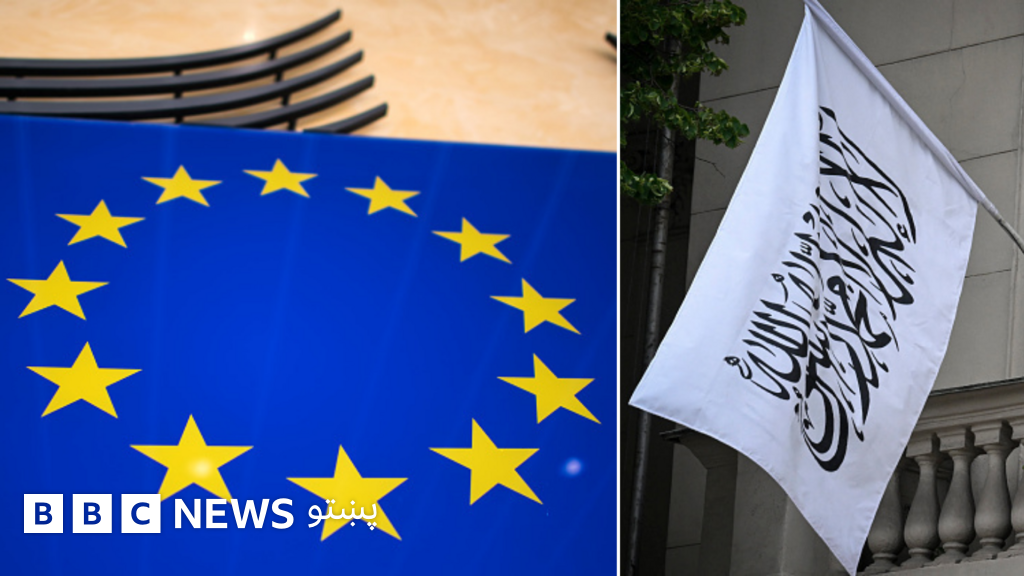
EU’s Taliban Outreach Turns Migration Into Leverage
Brussels is weighing direct talks with Taliban officials to speed Afghan removals, trading non-recognition for practical control over migration.
The European Commission is preparing to invite Taliban officials to Brussels for technical talks on deporting Afghan nationals, because migration enforcement now outweighs diplomatic caution in parts of the EU, according to BBC News پښتو and
France 24. The reported aim is not recognition of the Taliban, but a working arrangement on passports, flights, Kabul airport capacity, and what happens to people returned from Europe. Brussels has not yet issued a formal invitation, but sources told AFP the talks could happen “before summer” and would involve a “technical” delegation, not a political one (
France 24).
Why Brussels is moving
The leverage sits with the EU. Several member states want faster removals of Afghans with no right to stay, especially those convicted of crimes, and they are pressing the Commission to create a channel that can actually execute deportations (BBC News پښتو;
DW). That is why the Commission is exploring a mechanism that is administrative rather than political: it needs the Taliban’s cooperation on identity papers and reception logistics, but it wants to avoid the word “recognition.”
This is a familiar Brussels pattern. The EU often tries to keep the diplomatic door officially shut while opening the operational back door. In this case, the pressure is coming from inside the bloc: according to DW, nearly 20 European countries have urged the Commission to engage with Kabul on removals. That puts the institution in a bind: refuse contact and deportation policy stalls; accept contact and it looks like de facto normalization.
Who benefits, who loses
The immediate beneficiaries are the European capitals under domestic pressure to show control over irregular migration, and the Taliban, who gain a form of external engagement they have spent years seeking. Even if Brussels labels the meeting “technical,” the optics matter: a meeting room in Brussels is still diplomatic capital for Kabul’s rulers, especially when the EU does not formally recognize them (BBC News پښتو;
BBC News دری).
The losers are Afghan asylum seekers and the EU’s own non-recognition line. Rights groups and the UN refugee agency have already warned against returns to Afghanistan, where the security and rights environment remains fragile (France 24). The Commission is not just deciding how to move people; it is deciding whether migration management can quietly erode the political firewall Europe built after 2021. For readers tracking the wider pattern, this sits squarely in
Global Politics and the bigger question of how
International institutions deal with de facto authorities.
What to watch next
The next decision point is whether the Commission sends the formal invitation and whether Belgium grants the Taliban delegation the special entry clearance needed for Brussels, as BBC reported (BBC News پښتو). Also watch whether the talks stay limited to logistics — documents, flights, airport access — or expand into a broader channel that looks, in practice, like engagement with an unrecognized government. If that line moves, Europe’s migration policy will have created a new political relationship, whether Brussels admits it or not.
Discover more

International Relations
Pakistan's Key Role in US-Israel-Iran Meddle
Pakistan is seeking to mediate the US-Israel-Iran conflict, balancing high-stakes diplomacy against severe economic pressures and steep regional challenges.
US Politics
Congress Targets AI Chatbot Access for Terror
The House passed the Generative AI Terrorism Risk Assessment Act, focusing on AI's role in terrorism and potential surveillance implications.

Conflict & Security
Drone Warfare Killing Aid Workers at Unprec
Over 1,000 humanitarian workers killed in three years as cheap armed drones collapse legal protections. Gaza, Sudan, Ukraine, and DRC see deliberate targeting of aid convoys and hospitals with zero prosecutions.

Global
World Normalises Taliban as Afghan Women Eras
UN data shows Afghan women erased from public life as Russia recognises the Taliban, EU hosts officials in Brussels, and ICC warrants for gender persecution go unenforced.

