Pakistan's Key Role in US-Israel-Iran Meddle
Exploring Pakistan's mediation amid rising regional tensions
Model Diplomat3 min readSouth Asia

Pakistan Stands at a Diplomatic Crossroads Amid US-Israel War on Iran
Pakistan pledges neutral mediation in the US-Israel-Iran conflict, pushing for negotiations despite high regional risks and economic pressures.
Pakistan’s Prime Minister Shehbaz Sharif met with Iranian Parliament Speaker Mohammad Bagher Ghalibaf on April 11, 2026, underscoring Islamabad’s active diplomatic posture amid the ongoing war involving the US, Israel, and Iran. This engagement is part of Pakistan’s broader effort to maintain regional stability by persisting as a neutral mediator in one of the world's most volatile conflicts today.
Pakistan’s Mediation Role: Active but Challenged
Since the conflict escalated in late February 2026 with US and Israeli strikes on Iranian targets, Pakistan has positioned itself as a bridge-builder rather than a belligerent. Islamabad has offered to host US-Iran talks and has maintained high-level communication with Tehran, including a March 28 phone call between Sharif and Iranian President Masoud Pezeshkian aimed at fostering trust for negotiations. Pakistan’s Foreign Office spokesperson Tahir Andrabi framed these efforts as attempts to create a "harbinger of peace" through maritime cooperation, citing Tehran's recent allowance for 20 Pakistani-flagged vessels to transit the strategic Strait of Hormuz, a critical oil shipping route.
This effort, however, confronts considerable obstacles. Pakistan’s mediator role must navigate US skepticism, Iran's cautious engagement, and the broader regional complexities exacerbated by the ongoing war. The disruption of the Hormuz Strait has triggered a spike in global energy prices that weighs heavily on Pakistan’s economy, which remains highly sensitive to fuel costs and supply chains.
Regional and Global Stakes for Pakistan
Pakistan’s involvement in mediating this conflict matters for three key reasons:
-
Geopolitical Balance: Pakistan shares a long, porous border with Iran and has its own strategic ties with the US and China, making its diplomatic posture crucial for balance in South Asia and the Middle East. Its support for a five-point regional initiative—including a ceasefire and restoration of maritime traffic—reflects an attempt to align diplomatic efforts with Beijing and other regional powers.
-
Economic Pressure: The war’s impact on energy and trade routes directly affects Pakistan’s fragile economy. With energy prices soaring, Islamabad’s push for dialogue and safe passage of Pakistani vessels through Hormuz illustrates how economic imperatives shape its foreign policy decisions.
-
Security Concerns: The US-Israel war on Iran increases instability along Pakistan’s western border, potentially exacerbating security challenges linked to militant groups and refugee flows. Pakistan’s diplomatic engagement seeks to avoid spillover effects from the escalating conflict.
What to Watch Next
-
Progress on Mediation: Pakistan’s ability to convene US-Iran talks remains contingent on acceptance by both sides. Watch for any formal meeting announcements or breakthroughs following Sharif’s ongoing discussions with Tehran and outreach to Washington.
-
Regional Diplomacy: Pakistan’s coordination with China and other Gulf states, especially on proposals to restore Strait of Hormuz passage, will influence the broader conflict dynamics.
-
Economic Impact: Rising energy costs and disrupted trade could pressure Islamabad domestically, potentially shifting its foreign policy calculus if economic hardships deepen.
-
Security Developments: Any escalation on Pakistan’s western border or involvement in proxy dynamics would significantly complicate its diplomatic stance and internal stability.
Pakistan today is not merely a passive observer but a cautious, proactive actor in the US-Israel-Iran conflict. Its balancing act underscores the high stakes for regional diplomacy, economic stability, and security in a conflict that reverberates far beyond the battlefields.
For a deeper understanding of the global conflict context, see Global Politics. For specifics on Pakistan’s diplomatic posture and security concerns, consult the
Pakistan country profile.
Pakistan to continue with Iran-US mediation despite obstacles | Al Jazeera
Pakistan ‘ready to host US-Iran talks’: Can latest peace push work? | Al Jazeera
Iran’s War With Israel and the United States | CFR
Discover more
Global Politics
Trump's Conflicting Messages on Iran War
Trump's mixed messages on Iran reflect a strategy of audience management, benefiting Tehran amid a complex geopolitical landscape.

Global Politics
US Seizes Iranian Ship, Tensions Surge
The US seizure of the Iranian ship Touska highlights a shift in control over the Strait of Hormuz, favoring Iran's strategic position.

Economics
Fed's Amex AML order puts correspondent banking on notice
Federal Reserve's Amex AML order requires board-level controls and a 90-day plan; OCC fined the bank $350 million over enterprise-wide deficiencies.
Conflict & Security
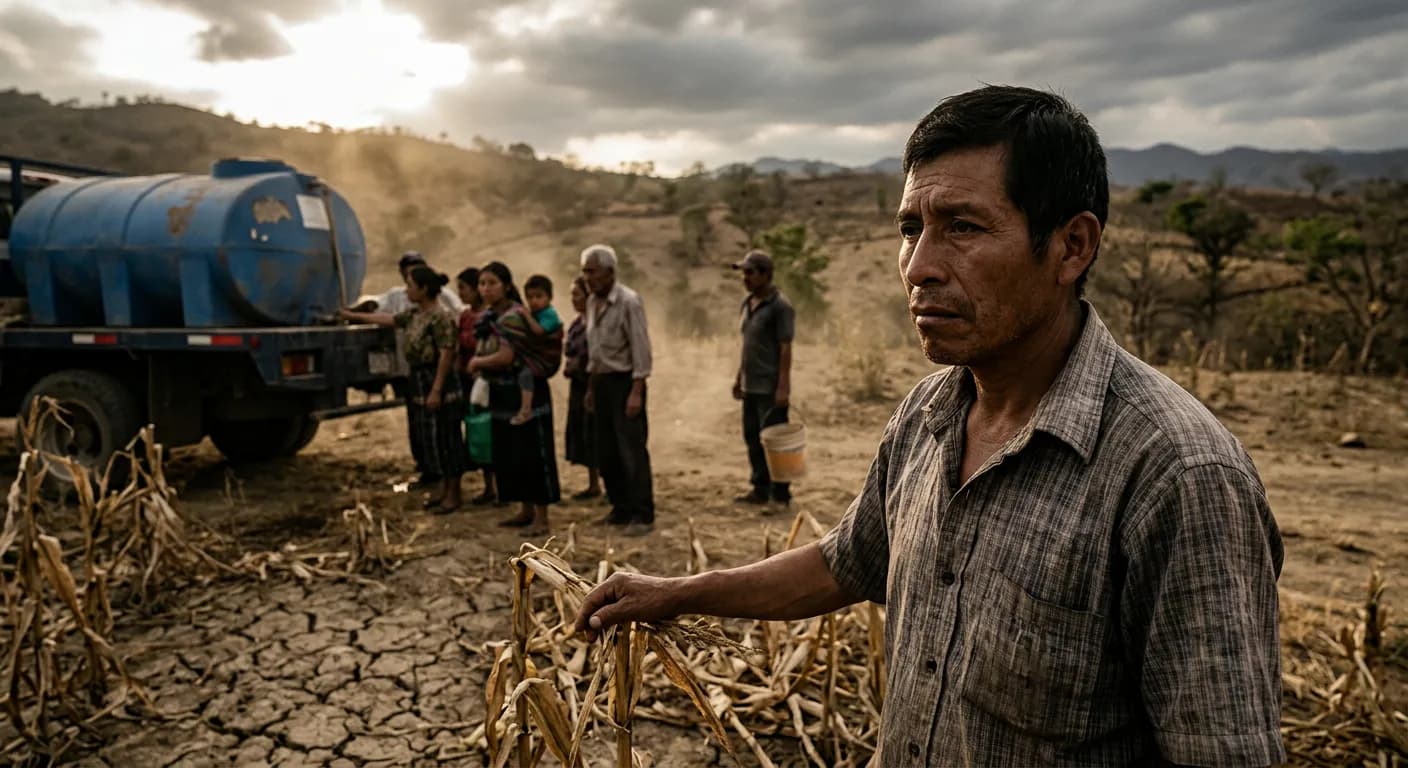
Guatemala: El Niño 2026–27 becomes regional security test
UNICEF: 25.8M children face El Niño risks in Latin America; Guatemala maps 188 municipalities for drought and food insecurity amid regional security test.