Economist Impact Sustainability Week 2026
Key insights from the 2026 Sustainability Week in London
Model Diplomat2 min readUnited Kingdom
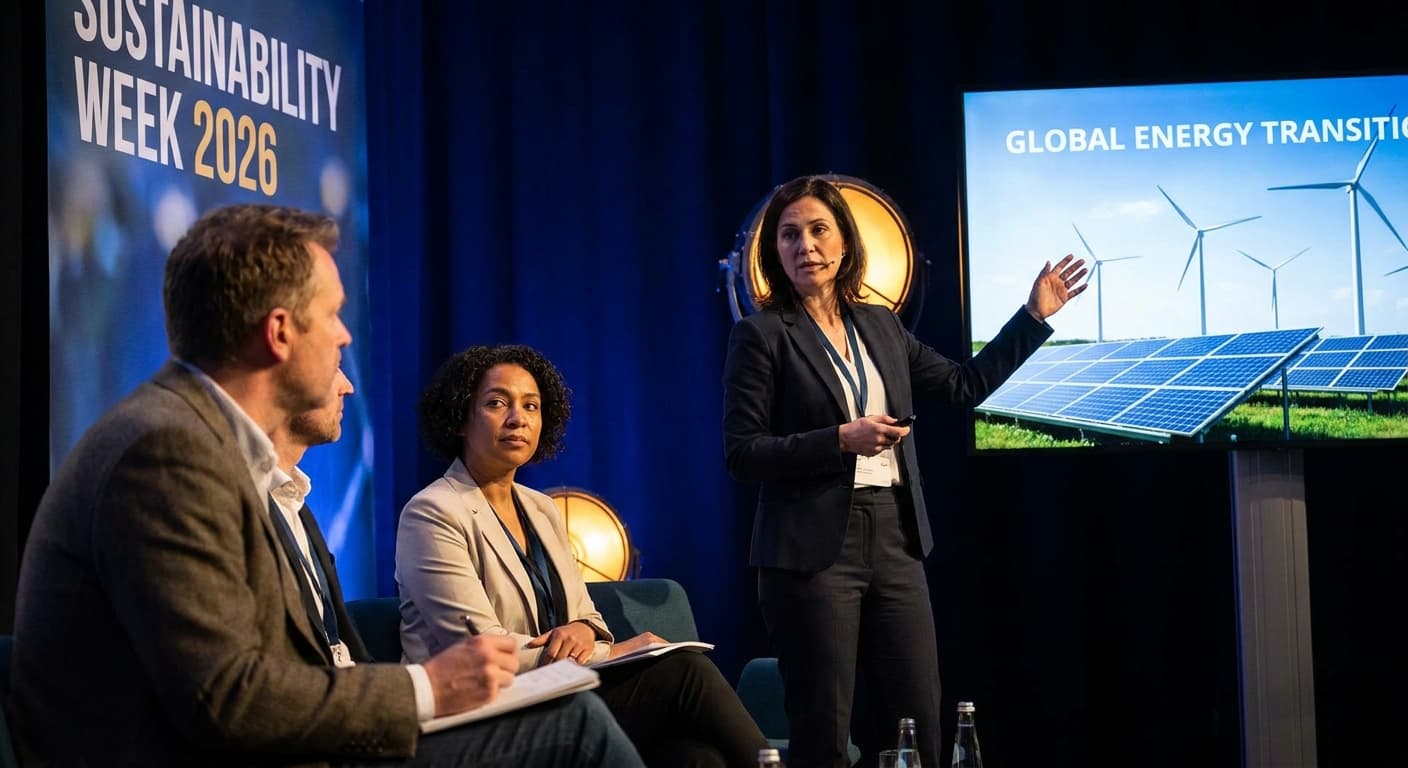
Economist Impact Sustainability Week 2026: Energy Transition Takes Center Stage
Economist Impact Sustainability Week (March 2–4, 2026) at London’s Intercontinental O2 convened top policymakers and industry on energy transition, AI impacts, and grid reform.
Economist Impact’s Sustainability Week 2026 was anchored by the Energy Transition Summit on March 2, spotlighting the accelerating shift to electrification and clean energy grids. The event’s agenda featured a blend of plenaries, fireside chats, and panel discussions dissecting the challenges and opportunities in reshaping energy markets, incorporating AI, and securing supply chains.
Why This Matters: Driving Energy Market Redesign and Clean Tech Integration
The UK's energy sector is at a critical juncture, balancing rising power demand with climate targets and geopolitical pressures. The summit’s flagship sessions like “Mission control: redesigning energy markets for a resilient, net-zero Britain” laid bare the urgency of reshaping electricity markets to be flexible, decentralized, and consumer-focused. Speakers including Chris Stark emphasized reforms needed to boost investment signals while ensuring reliability amid growing electrification.
The spotlight on AI’s role — especially through sessions such as “The AI cat is out of the bag — can the grid keep up?” — flagged a major emerging risk and opportunity. Data centers and automation are significantly increasing electricity demand, stressing grid infrastructure and investment planning. Experts from Hitachi Energy discussed grid automation as both a solution and a critical enabler for integrating volatile renewable power.
Supply chain resilience, especially regarding “Made in China” clean energy components, underscored the global complexities of energy transition. With trade tensions and shifting geopolitics shaping technology flows, the conference highlighted the need for diverse, secure supply chains to future-proof energy systems.
What to Watch Next: Policy Alignment and Market Innovation
The event’s clear takeaway is the urgent push for policy and market design alignment around 2035 decarbonization goals, focusing on grid modernization, enhanced transmission, and digitalization. Expect the UK government and regulators to advance reforms supporting flexible capacity markets and consumer protections tailored to electrification’s demands.
Corporate leaders were urged to integrate climate transition risks into strategy, accentuating investments in clean tech and resilient water management, connecting energy security with broader environmental factors.
AI impact monitoring, grid investment scaling, and data center energy efficiency will be crucial touchpoints for policymakers and businesses alike. Close attention should also be paid to international trade developments affecting clean energy supply chains, which remain fragile amid geopolitical uncertainties.
Economist Impact Sustainability Week reinforced that energy transition is no longer a future ambition but a pressing operational transformation — with technology, policy, and global commerce all needing urgent synchronization.
For deeper insights on global energy and climate diplomacy, see our coverage on Global Politics and the
United Kingdom's evolving energy policy landscape.
Discover more
Climate & Energy
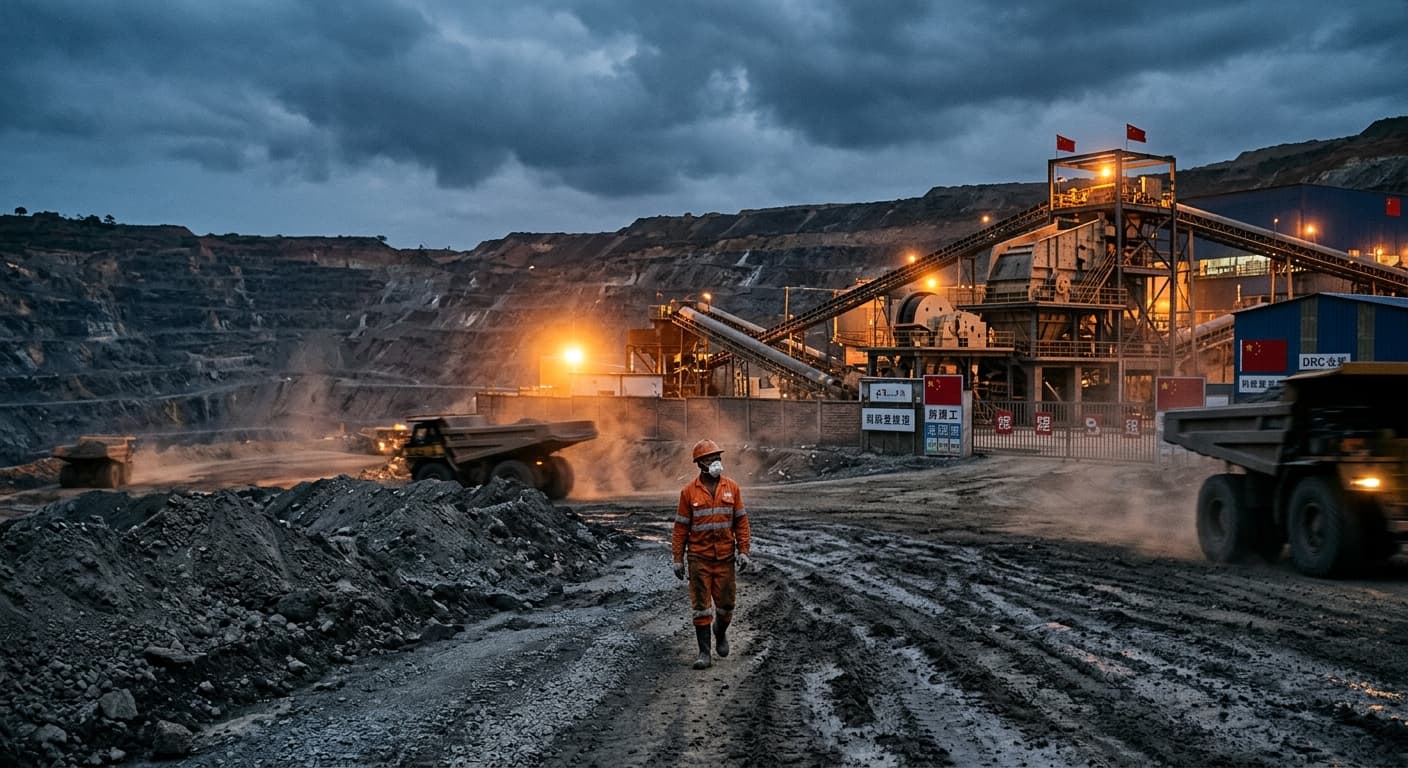
Critical Mineral Supply Chains More Concentr
IEA 2026 data shows top three refining nations control 86% of critical mineral processing, up from 82% in 2020. Low prices lock in China's dominance as Western diversification efforts lag.
Climate & Energy
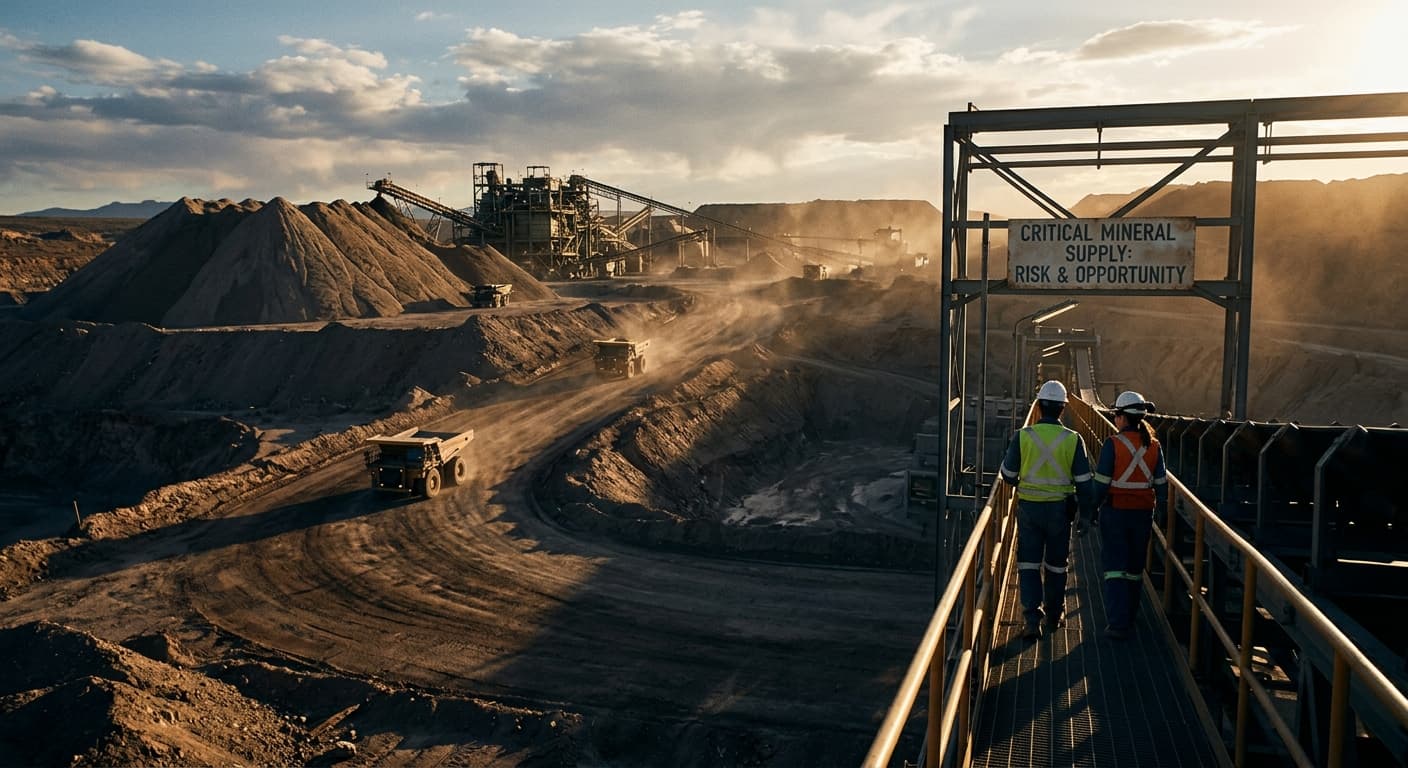
IEA Warns Mineral Supply Risks Deepen
IEA 2026 outlook finds critical mineral supply chains more concentrated than ever, with investment down 9% and $6.5 trillion in downstream production at risk from China's export controls.
Climate & Energy
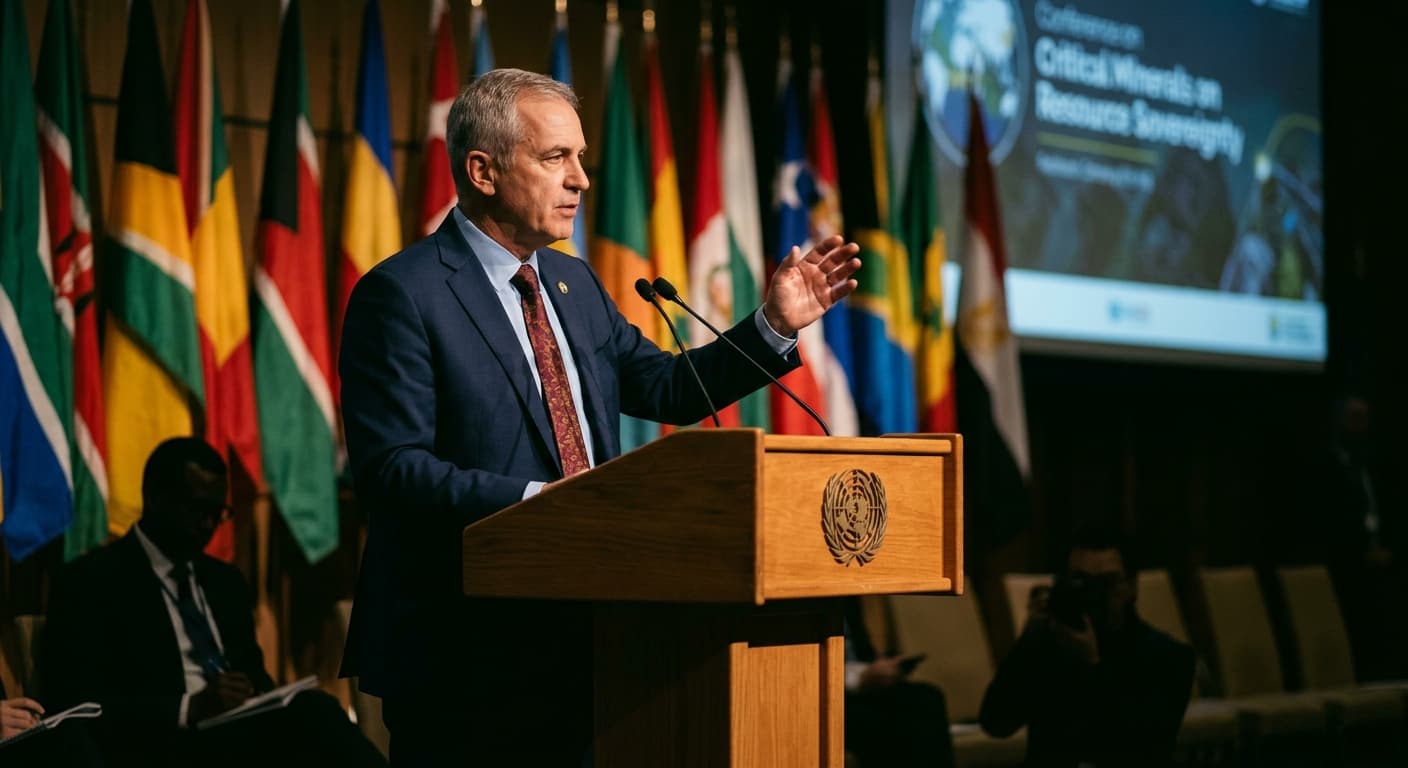
India's UN Pitch on Critical Minerals
India calls for resource sovereignty at the first UN High-Level Meeting on Critical Energy Transition Minerals, while racing through bilateral deals with the US and Brazil to build domestic capacity before China's dominance hardens.
Climate & Energy
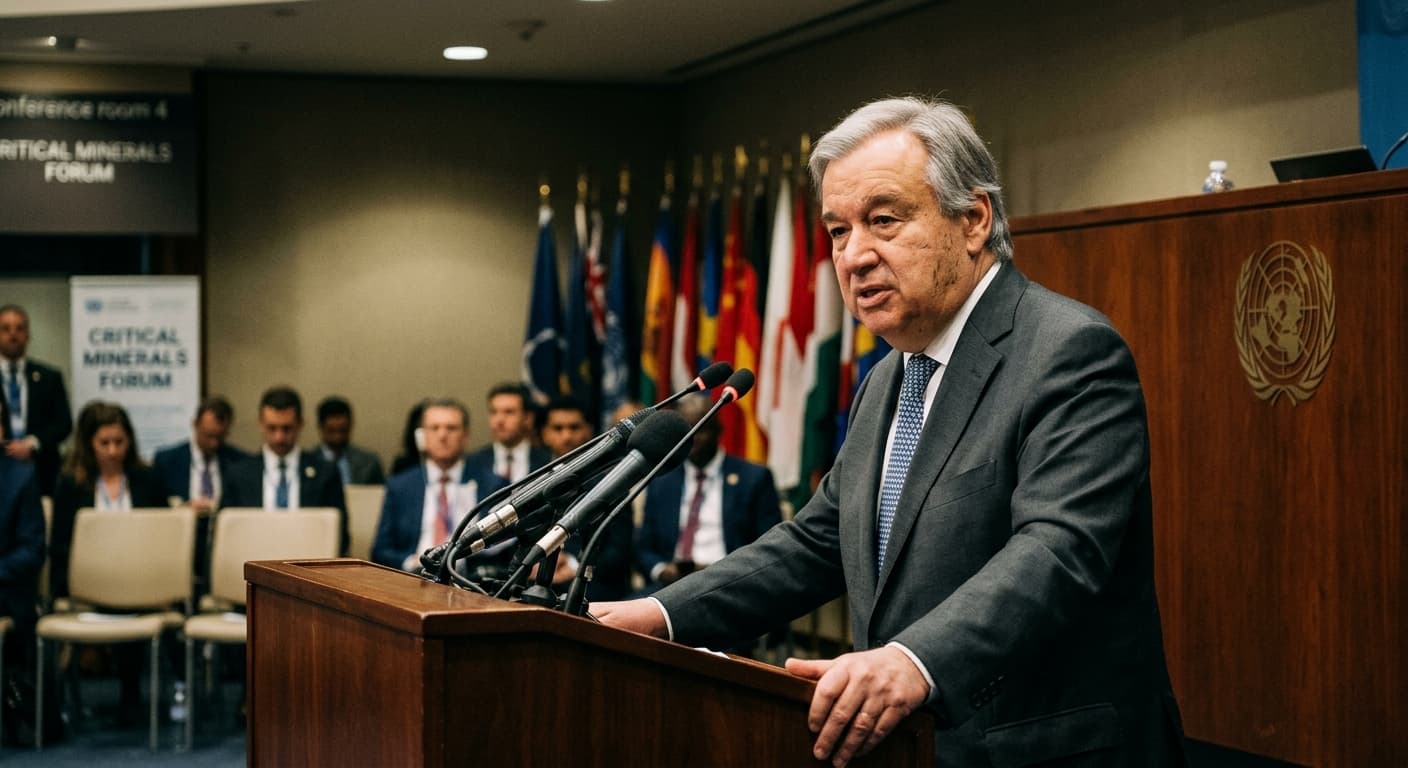
UN Minerals Plea Challenges US and China
UN Secretary-General Guterres pushes voluntary critical minerals rules that challenge both the US FORGE trading bloc and China's refining monopoly, as Africa seeks to capture more value from its reserves.