Kyiv Seeks to Mend Ties with Warsaw
Ukraine's foreign minister calls for urgent dialogue with Poland.
Model Diplomat3 min readEurope
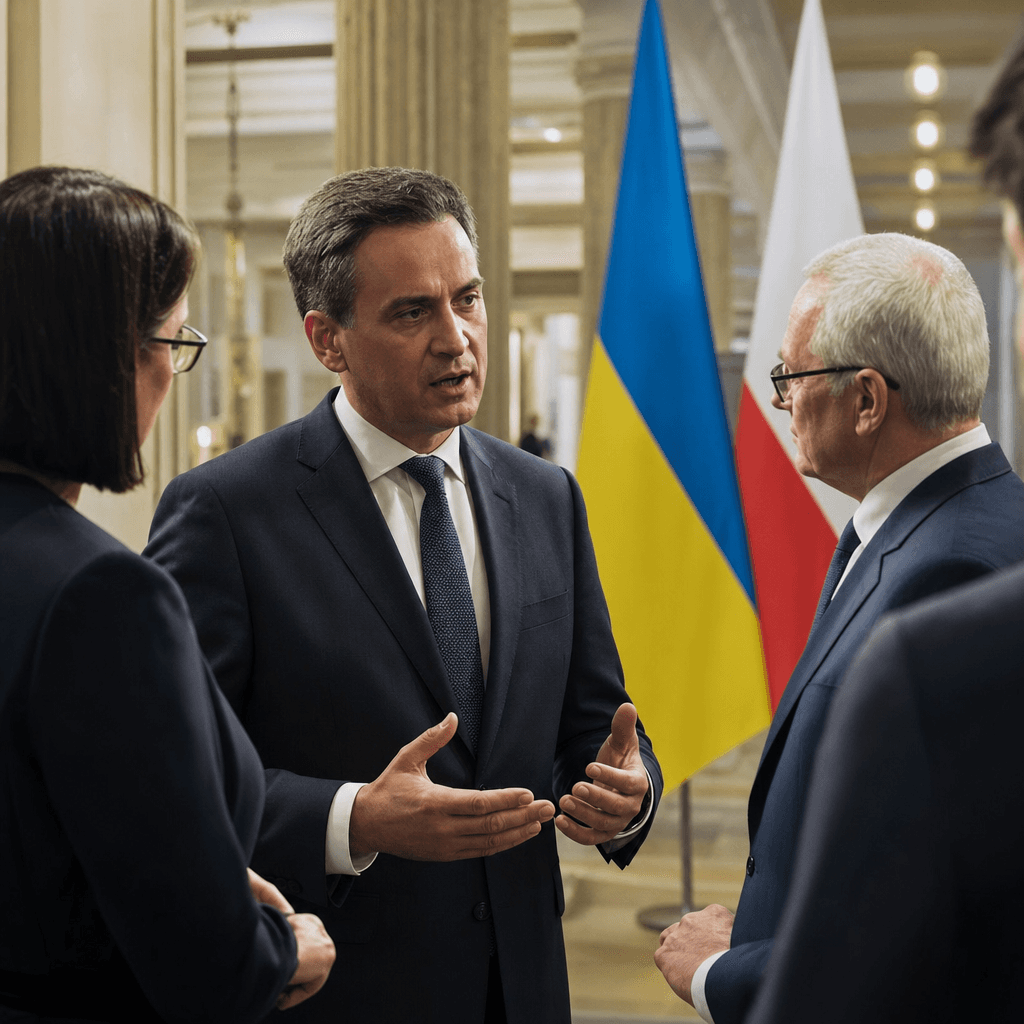
Kyiv Scrambles to Calm Warsaw After Nationalist Military Naming Spark Fury
Ukraine’s foreign minister calls for dialogue after President Zelenskyy's decree honoring World War II insurgents triggers a major diplomatic rift with Poland.
Ukrainian Foreign Minister Andrii Sybiha called for urgent dialogue with Warsaw on Wednesday to defuse a rapidly escalating diplomatic crisis. The friction stems from Ukrainian President Volodymyr Zelenskyy’s signing of a decree on May 26 that renamed a Ukrainian military special forces unit the "Heroes of the UPA"—explicitly honoring the Ukrainian Insurgent Army, as reported by Reuters.
The UPA is a profoundly divisive historical entity. While celebrated in Ukraine for its armed struggle against Soviet and Nazi forces, the group is held responsible by historians for the Volhynia massacres from 1943 to 1945, in which up to 100,000 ethnic Poles were killed. Warsaw officially considers the massacre a genocide.
As Ukraine relies heavily on Polish airspace, logistics, and military aid to sustain its defensive war against Russia, the flare-up threatens a crucial bilateral alliance in Global Politics.
Historical Trauma Collides with War Mobilization
The diplomatic fallout in Poland has been swift and broad, uniting rivals across the country’s polarized political spectrum. Newly elected national-conservative Polish President Karol Nawrocki expressed intense outrage over the decree, stating that the move proved Ukraine is "mentally" unready for EU integration, according to BBC News Polska. Nawrocki has formally requested that a state advisory body strip Zelenskyy of Poland’s highest state honor, the Order of the White Eagle, which was awarded to him in 2023.
Even Poland's pro-EU Prime Minister Donald Tusk, who usually strikes a highly supportive tone toward Kyiv, criticized the decree, remarking that it "wounds our historical sensitivity" and creates a "very serious problem" for bilateral relations. Far-right and conservative Polish politicians have gone further, with municipal authorities in Lublin removing the Ukrainian flag from the local town hall in protest.
Kyiv’s Damage Control
In his public appeal, Sybiha emphasized that the escalation "benefits neither Ukrainians nor Poles" and pleaded for a cooling of emotions to counter their shared adversary, Russia, according to Reuters. Ukrainian officials are attempting to frame the naming as a locally driven military initiative, not a geopolitical statement. Ukrainian Foreign Ministry spokesperson Heorhiy Tykhyy stated that the Special Operations Forces unit chose the name to commemorate anti-Soviet resistance, with "absolutely no anti-Polish intent," as reported by
BBC News Russian.
However, observers note that Zelenskyy's administration has increasingly leaned on nationalist historical symbolism to bolster domestic morale as the war dragging on stretches Ukrainian public endurance. This domestic focus has repeatedly clashed with the historical sensitivities of its Western neighbors, creating diplomatic liabilities that Moscow seeks to exploit.
What to Watch Next
The immediate test for the relationship will occur on June 8, 2026, when the Chapter of the Order of the White Eagle, chaired by President Nawrocki, is scheduled to meet to formally debate stripping Zelenskyy of his Polish state decoration, according to Al Jazeera. If Warsaw proceeds with this unprecedented symbolic rebuke, it will mark the lowest point in Polish-Ukrainian relations since the 2022 invasion. Analysts will also watch whether Tusk's government takes concrete steps to condition future logistical or military transit support on a resolution of the dispute.
Discover more
Global
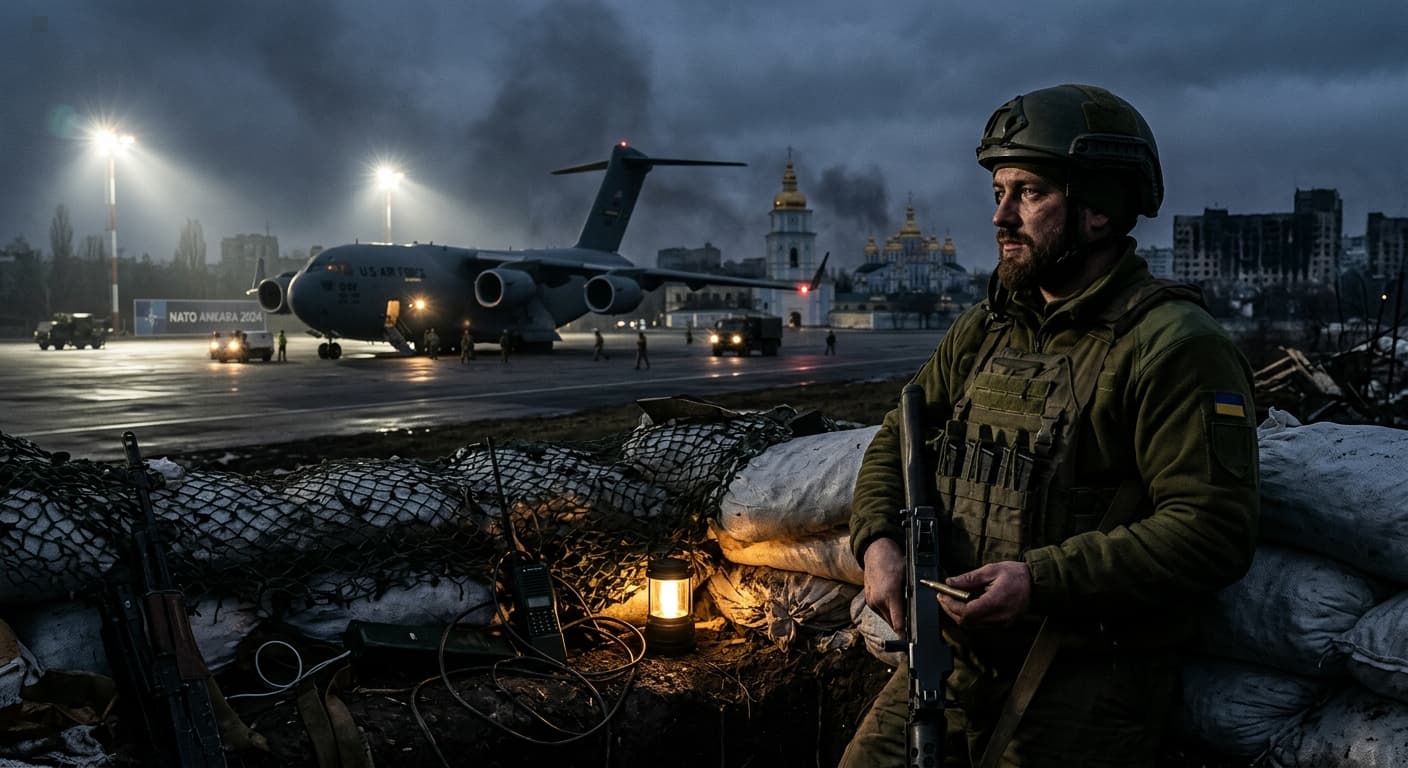
Kyiv's Empty Quiver: Ankara Summit on NATO
As Russia strikes Kyiv, NATO's Ankara summit must address Ukraine's urgent air defense needs amid dwindling interceptor supplies.
International Relations
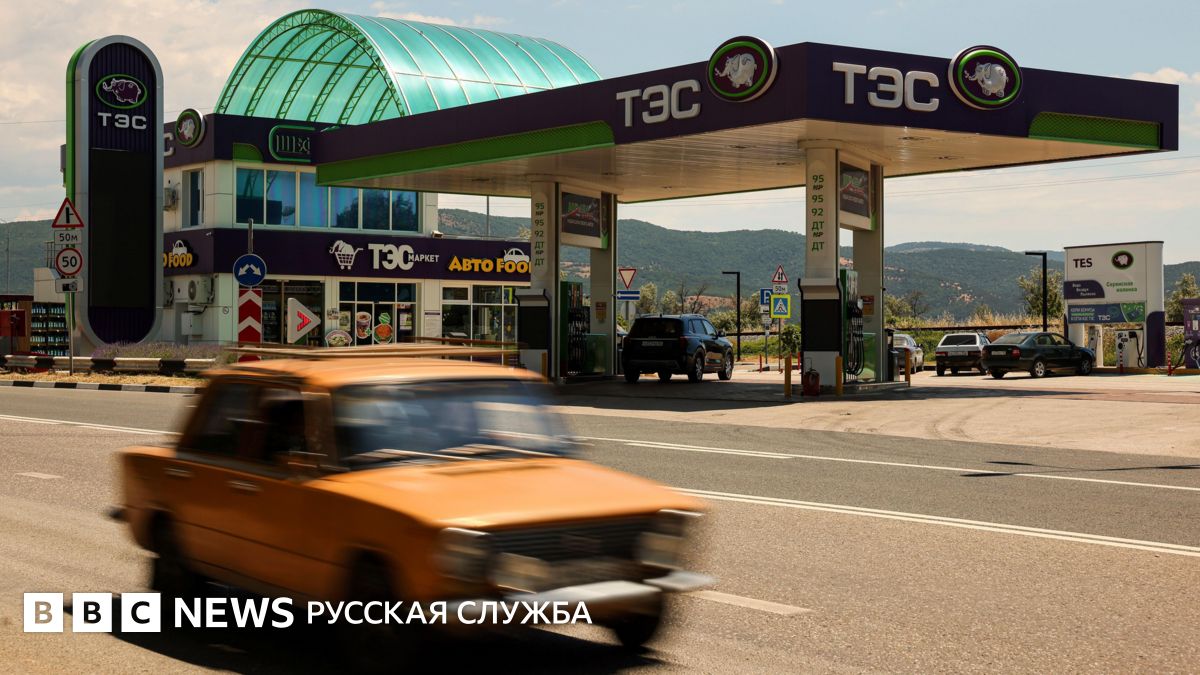
Ukraine Drone Strikes Crimea Power Grid
Ukrainian drone strikes targeting Crimea's power grid signal a strategic shift, aiming to disrupt Russian logistics by hitting critical energy infrastructure.
Conflict & Security
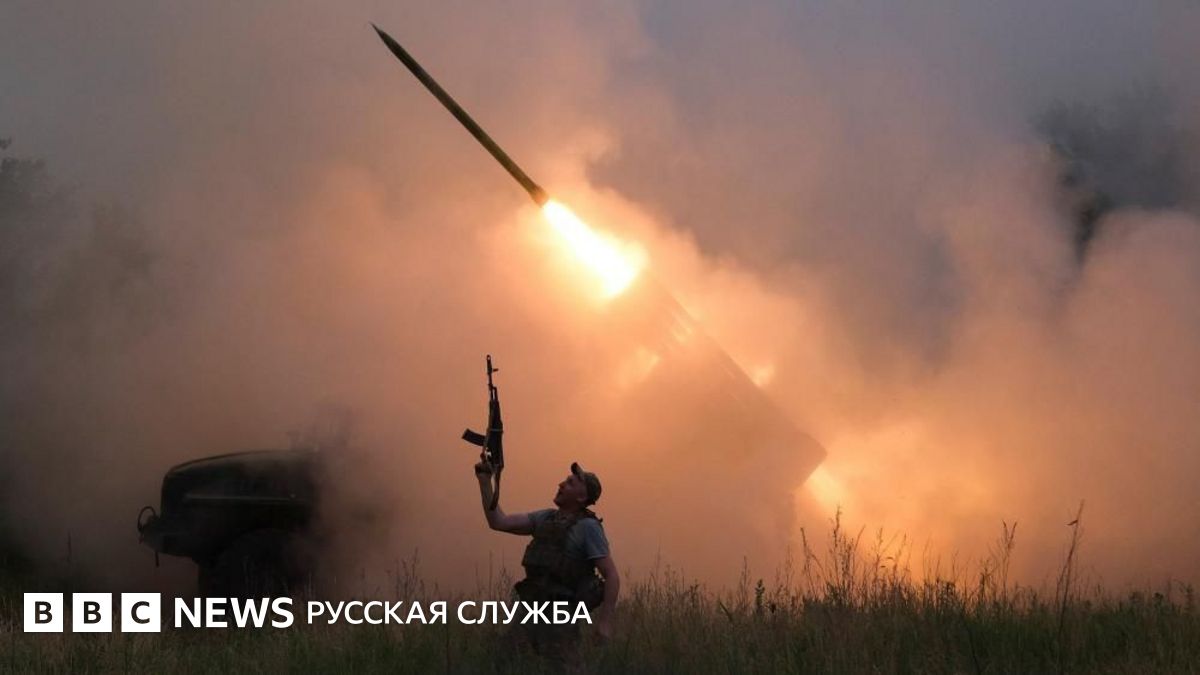
Russia Encircles Konstantinovka—Key to Donbas
Russia's encirclement of Konstantinovka could unlock the wider Donbas for further advances, marking a pivotal moment in its grinding eastern offensive.
Conflict & Security
Ukraine's Energy Offensive Hits Crimea
Ukraine's drone campaign is disrupting Russian fuel supplies and forcing rationing in Crimea, turning energy infrastructure into a key front of the war.