Ukraine Drone Strikes Crimea Power Grid
Ukrainian forces target Crimea's energy infrastructure with drones.
Model Diplomat3 min readEurope
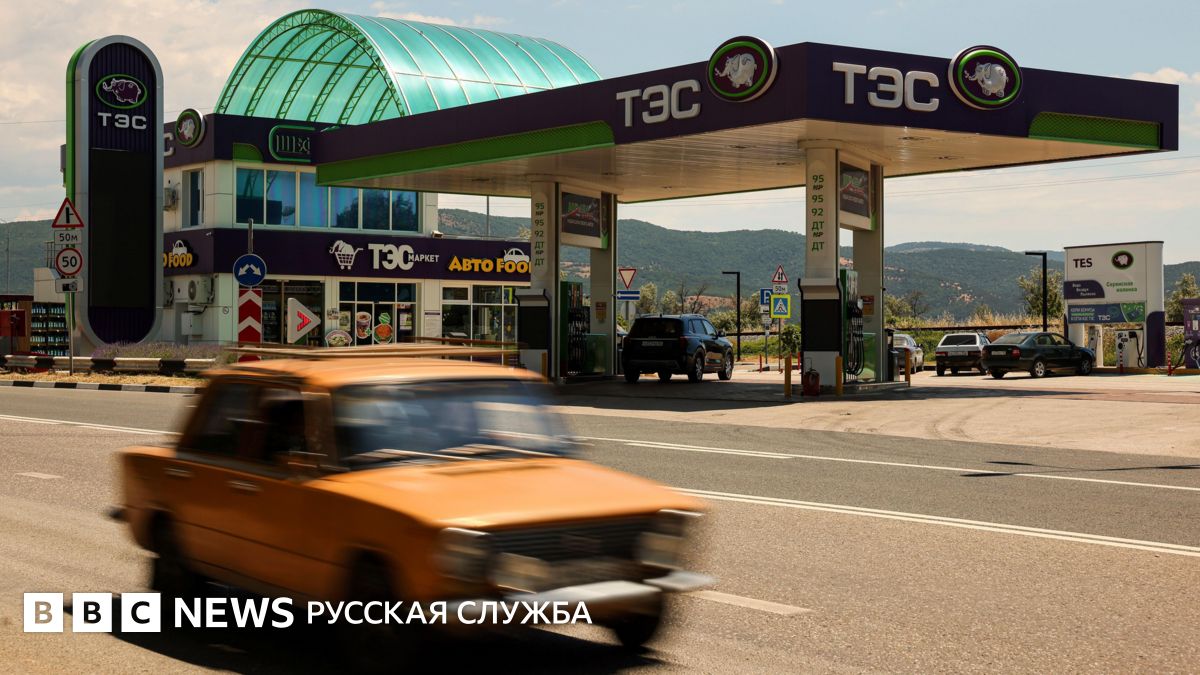
Ukraine Drones Strike Crimea Power Grid—Broadening Assault on Russian Infrastructure
Ukrainian forces struck Crimea's energy system and port logistics in a coordinated drone attack, cutting power to a peninsula already strained.
On the night of June 23–24, Ukrainian drone forces conducted a coordinated strike against Crimea's energy infrastructure, targeting the main power distribution substation in Sevastopol with seven drones and hitting critical sites across the peninsula. The attack temporarily cut electricity to nine cities and regions, disrupting transport, hospitals, and water systems in what Ukrainian commanders describe as an escalating campaign to degrade Russian logistics capacity.
The damage was substantial and surgical. Ukrainian drone forces commander Robert Brodvi stated that the main substation feeding Sevastopol's power supply was hit directly, and officials confirmed electricity losses across Simferopol, Yalta, Feodosia, Evpatoriya, and Dzhankoi. The strike on Sevastopol's Balaklavskaya thermal power station ignited fires and caused cascading blackouts. By June 24 morning,
Fontanka reported that all twelve municipalities—spanning the western, northern, central, and southern regions—had lost at least partial power supply, requiring officials to announce rolling outages lasting approximately 24 hours.
The attack revealed Ukraine's expanding operational reach into Russian-held territory. OSINT monitoring documented hits on multiple military and logistical targets beyond energy: fires erupted at a major thermal power plant in Kerch, on railway stations, and at the TES-Terminal oil product storage and transshipment complex in Kerch's port—a facility hit just three days earlier. Over 12 municipalities lost some electricity; in Sevastopol alone, trolleybuses ceased operations and daycare facilities shifted to emergency schedules. The
Crimean Bridge was closed twice to traffic—at dawn and again mid-morning—adding transport disruption to the cascading failures.
The strike signals a shift in Ukrainian strategy and carries political weight. Ukraine's drone forces commander stated that the peninsula remains a priority target, with accelerated strikes against military, logistical, and energy infrastructure. The timing is significant: just days earlier,
Russian President Putin signaled openness to peace negotiations while commenting for the first time on Ukrainian drone strikes deep inside Russia. By striking with precision far from the front, Kyiv is simultaneously degrading Russia's occupation logistics while demonstrating the futility of negotiations on Moscow's terms—Ukraine is raising the cost of inaction.
By mid-morning June 24, authorities claimed restoration was "step-by-step" proceeding, though power restoration was slated to take approximately 24 hours. The scale matters: this attack hit not just one power plant but a coordinated network spanning the peninsula's east, west, and center. It also hit the oil terminal in Kerch for the third documented time this month.
What Changed
The ability to strike Crimea's core infrastructure reveals Ukraine's growing operational range with drones. Satellite data confirmed fires at the Kerc thermal power plant with a 47-kilometer smoke plume, indicating sustained damage to critical equipment. Ukraine is no longer content to contest the front line; it is now running a distributed attrition campaign against Russian occupation logistics—energy, transport, and supply chains. Moscow's ability to maintain the peninsula depends on three threads: power supply, the Crimean Bridge, and port logistics. Ukraine has now targeted all three in a single operation.
Watch Next
The restoration timeline is key. If Ukraine can generate repeat strikes every 3–4 days, rotating targets, it will exhaust Russian repair capacity and degrade morale among the occupation administration. Watch for: whether Sevastopol and other cities restore full power within the announced 24 hours; whether Russia redeploys air defense from the front; and whether Kyiv issues a follow-up strike targeting the same facilities while Russian repair crews are active. Any delay in restoration signals that critical transformer or distribution equipment was destroyed, not merely damaged—a far more costly loss. That outcome would indicate the assault strategy is working.
Discover more

Global Politics
US Seizes Iranian Ship, Tensions Surge
The US seizure of the Iranian ship Touska highlights a shift in control over the Strait of Hormuz, favoring Iran's strategic position.
India
Romanian Coalition Party Demands PM Resign
Romania's Social Democrats withdrew from coalition, joining far-right AUR to topple PM Bolojan, risking €10 billion in EU funds by August 2026.

India
Modi's Women’s Convention in Varanasi
Modi's Varanasi rally frames women's reservation as a national mission, targeting the 2027 Uttar Pradesh elections with a strategic narrative.

Conflict & Security
Drone Warfare Killing Aid Workers at Unprec
Over 1,000 humanitarian workers killed in three years as cheap armed drones collapse legal protections. Gaza, Sudan, Ukraine, and DRC see deliberate targeting of aid convoys and hospitals with zero prosecutions.