Ukraine’s Baltic Strike Shatters Putin’s
Drone attacks expose Russia's vulnerabilities during economic forum.
Model Diplomat3 min readEurope
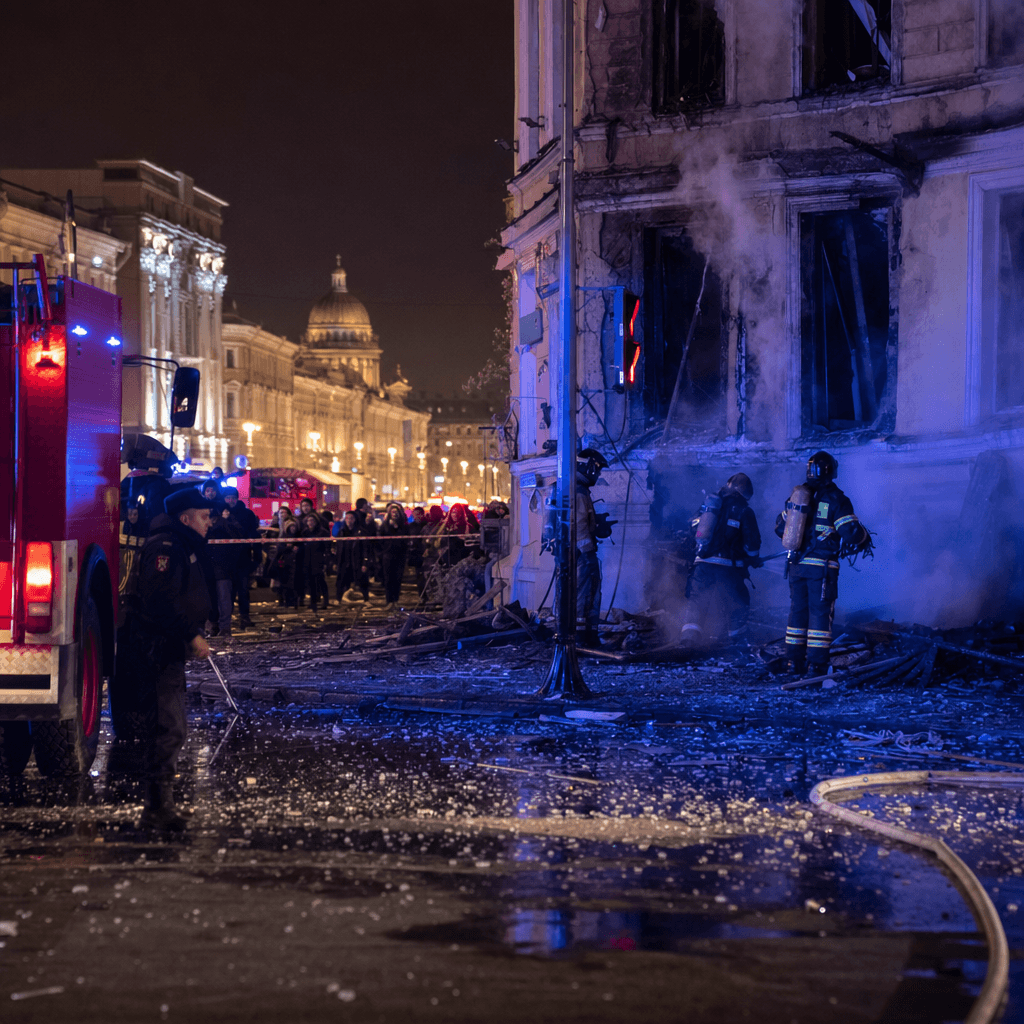
Ukraine’s Baltic Strike Shatters Putin’s Economic Showcase
Kyiv’s deep-penetration drone attacks on Saint Petersburg expose Russia's domestic vulnerability just as its premier economic forum begins.
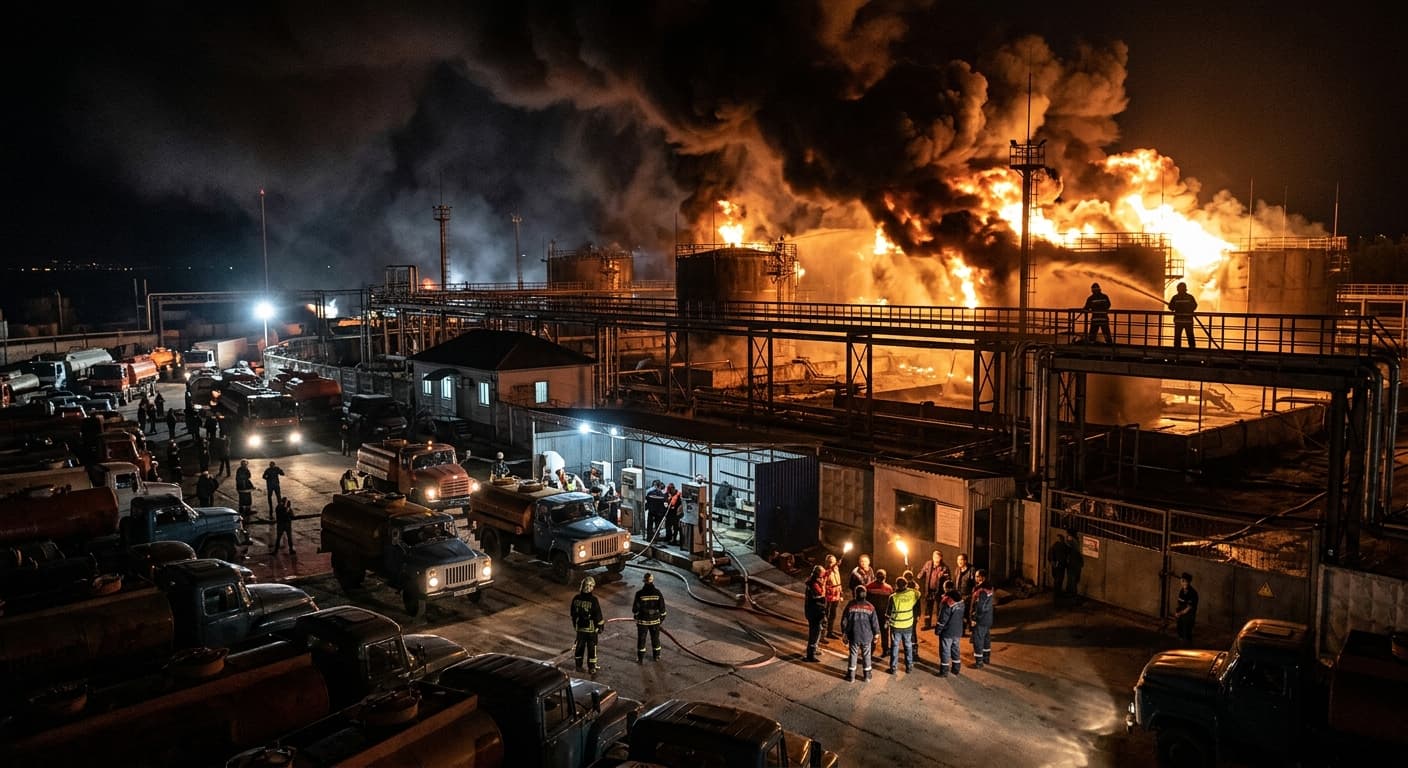
Overnight on June 2–3, 2026, Ukrainian long-range drones struck critical energy and naval facilities in Saint Petersburg, according to reports from Al Jazeera. The attack targeted the Saint Petersburg Oil Terminal—one of the largest trans-shipment hubs on Russia’s Baltic coast—and the Kronstadt naval base, causing fires and disrupting local air traffic. Confirmed by Ukrainian President Volodymyr Zelenskyy, the strikes were executed just hours before the opening of the Saint Petersburg International Economic Forum (SPIEF), Russia’s premier platform designed to project economic strength and normalization to non-Western partners. By taking the fight to Vladimir Putin’s hometown, Kyiv has exposed the physical limits of Russia's domestic defenses when forced to protect targets far from the frontlines.
Piercing the Kremlin's Ring of Security
The geographical reach of the strikes highlights a major shift in Ukraine's aerial capabilities. To reach Saint Petersburg, Ukrainian drones traveled approximately 1,100 kilometers (680 miles) from the state border, bypassing multiple layers of air defenses to strike targets in Vladimir Putin’s hometown, as reported by The Guardian. This deep penetration disrupted operations at Pulkovo Airport and sent visible plumes of black smoke over the city’s Kirovsky district, immediately undermining the Kremlin’s narrative of stability. For foreign delegations attending "Russia’s Davos," the physical reality of the
conflict was made impossible to ignore.
This strike also damages Russia’s naval prestige. At the Kronstadt naval base, Ukrainian military officials claimed a direct hit on the corvette Boikiy, a modern surface combatant of Russia's Baltic Fleet, according to the BBC. By successfully targeting active warships and vital energy nodes in Russia's deep rear, Ukraine is systematically demonstrating that no high-value asset in western Russia is safe from its indigenously produced drone fleet.
Redefining "Long-Range Sanctions"
The strategic logic of the attack extends beyond symbolic embarrassment, reshaping the dynamics of Global Politics in northern Europe. Zelenskyy characterized the offensive as "long-range sanctions" aimed at degrading the economic engine that sustains Moscow's military operations. The Saint Petersburg Oil Terminal is crucial for Russia’s shadow fleet of tankers bypassing Western price caps. By directly damaging this shipping infrastructure, Ukraine is attempting to enforce a physical blockade where diplomatic and economic measures have fallen short. The leverage has shifted; Kyiv is no longer relying solely on Western policy to choke Russian oil revenues but is using unilateral military force to directly disrupt Russian oil exports.
What to Watch Next
The immediate policy question is how the Kremlin reallocates its overstretched air defenses. Kremlin spokesperson Dmitry Peskov warned that Russia’s counter-response would be "systemic" in nature, according to Al Jazeera. The decisive move to watch is whether the Russian Ministry of Defense reallocates tactical air defense units from the Ukrainian frontlines to shield northwestern industrial hubs. Any such redeployment will create blind spots along the line of contact, presenting Ukrainian ground forces with new opportunities to exploit as the summer campaign intensifies.
Discover more
Global
Kyiv's Empty Quiver: Ankara Summit on NATO
As Russia strikes Kyiv, NATO's Ankara summit must address Ukraine's urgent air defense needs amid dwindling interceptor supplies.
International Relations
Ukraine Drone Strikes Crimea Power Grid
Ukrainian drone strikes targeting Crimea's power grid signal a strategic shift, aiming to disrupt Russian logistics by hitting critical energy infrastructure.
Conflict & Security
Russia Encircles Konstantinovka—Key to Donbas
Russia's encirclement of Konstantinovka could unlock the wider Donbas for further advances, marking a pivotal moment in its grinding eastern offensive.
Conflict & Security
Ukraine's Energy Offensive Hits Crimea
Ukraine's drone campaign is disrupting Russian fuel supplies and forcing rationing in Crimea, turning energy infrastructure into a key front of the war.