Russia-India Axis Holds Firm Despite Tariffs
Moscow and New Delhi strengthen ties amid U.S. sanctions.
Model Diplomat2 min readAsia
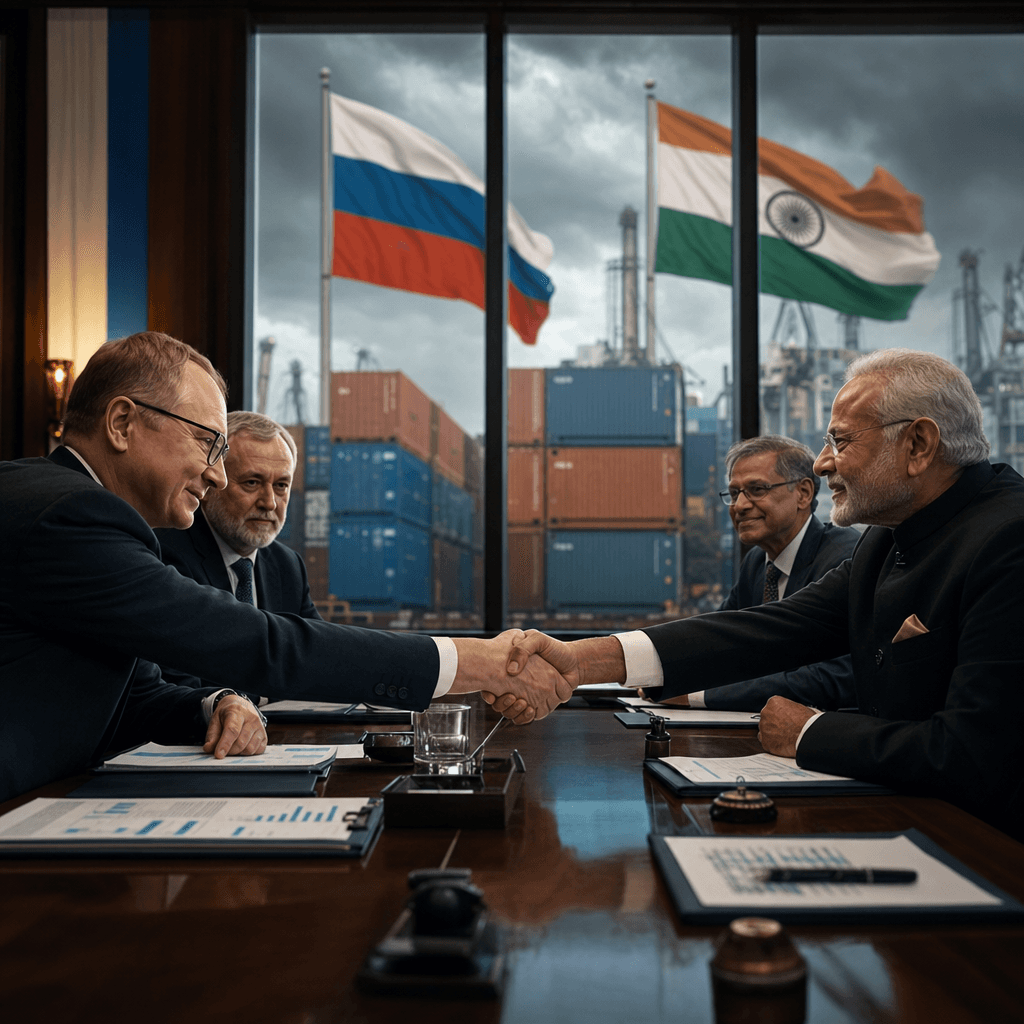
Russia-India Axis Holds Firm Despite Trump's 50% Tariffs
As Russia slams Western interference, New Delhi and Moscow are tightening economic ties to bypass aggressive secondary sanctions and U.S. tariffs.
Russian President Vladimir Putin's public assertion that Western attempts to coerce India are futile highlights how Moscow continues to view New Delhi as its primary economic and diplomatic lifeline in Asia. According to NDTV, Putin praised India as a "reliable partner" and condemned Western pressure as a direct threat to global economic stability. This diplomatic embrace serves a critical strategic objective: keeping New Delhi firmly anchored to Russian energy exports and defense systems, even as Western capitals coordinate a severe campaign of economic isolation.
The geopolitical stakes are historically high as the United States aggressively attempts to force a rift in the relationship.
Al Jazeera reports that the Trump administration has imposed a crippling 50 percent blanket tariff on Indian goods—including textiles, gems, and automotive parts—in direct retaliation for New Delhi's ongoing purchases of discounted Russian crude. Despite the risk of severe domestic job losses in India’s manufacturing hubs, Prime Minister Narendra Modi has publicly refused to capitulate, defending India’s sovereign right to secure cheap energy for its 1.4 billion citizens.
To keep New Delhi from buckling under Washington’s financial cudgel, Moscow is moving to address India’s primary grievance: a heavily lopsided trade deficit. According to Odisha TV, Putin has ordered the Russian government to devise immediate measures to soften the trade imbalance by scaling up imports of Indian pharmaceuticals, medical devices, and agricultural products. This planned shift aims to offset the high costs of India's crude imports, which hit nearly $64 billion last fiscal year, and to insulate bilateral payments from Western banking sanctions.
The next critical test of the partnership will center on defense and security cooperation. Policymakers should closely watch whether Moscow accelerates the delivery of delayed S-400 surface-to-air missile systems to India, which have been snarled by Ukraine-related supply chain disruptions. If Russia can maintain its military deliveries and successfully establish alternative rupee-ruble payment networks, Washington's punitive tariff policy may succeed only in driving New Delhi further into a multipolar economic network.
Discover more

India
India-South Korea $50B Trade Expansion Plan
India and South Korea target $50 billion in bilateral trade by 2030, focusing on industrial cooperation and strategic alignment amid US pressures.

Conflict & Security
Drone Warfare Killing Aid Workers at Unprec
Over 1,000 humanitarian workers killed in three years as cheap armed drones collapse legal protections. Gaza, Sudan, Ukraine, and DRC see deliberate targeting of aid convoys and hospitals with zero prosecutions.
Global
World Normalises Taliban as Afghan Women Eras
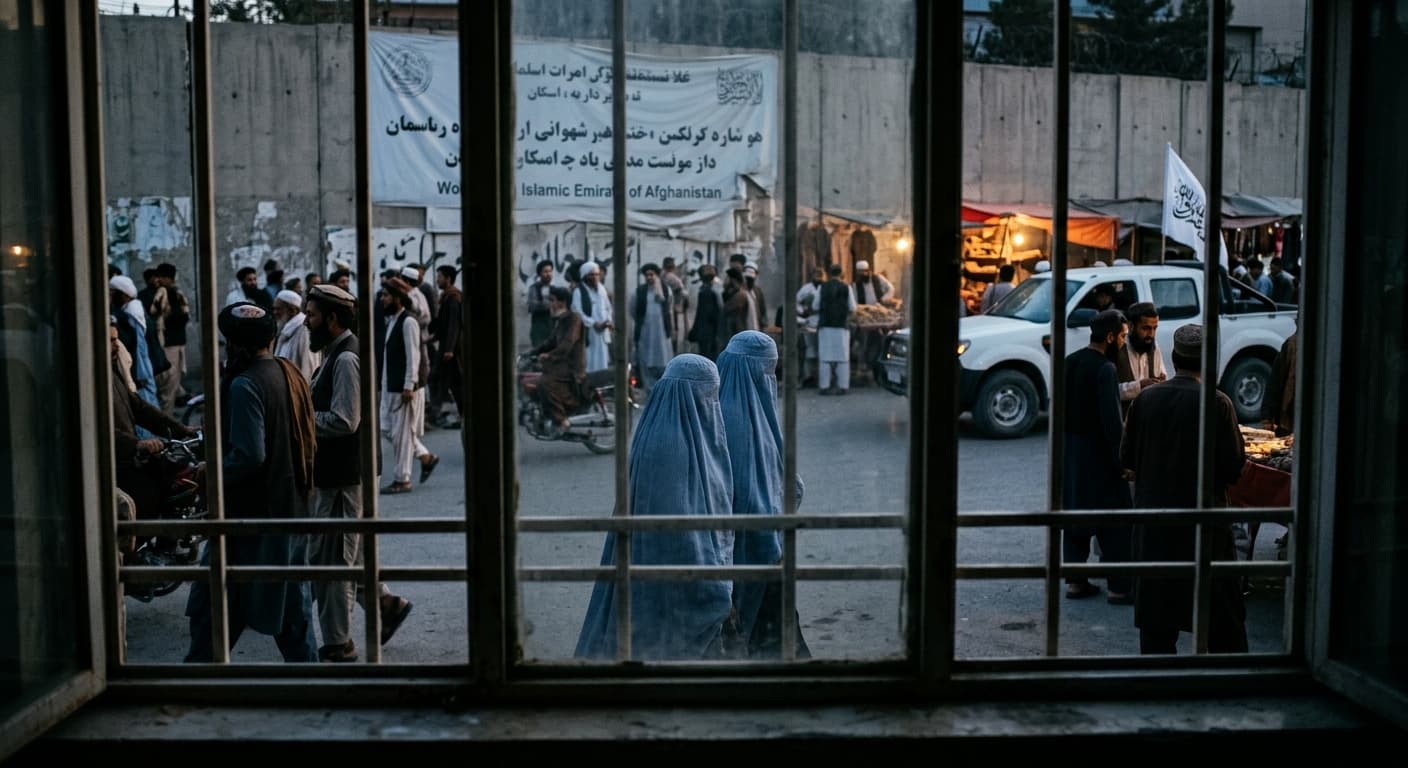
UN data shows Afghan women erased from public life as Russia recognises the Taliban, EU hosts officials in Brussels, and ICC warrants for gender persecution go unenforced.
Conflict & Security
West Africa Food Crisis: Three Shocks in 2026
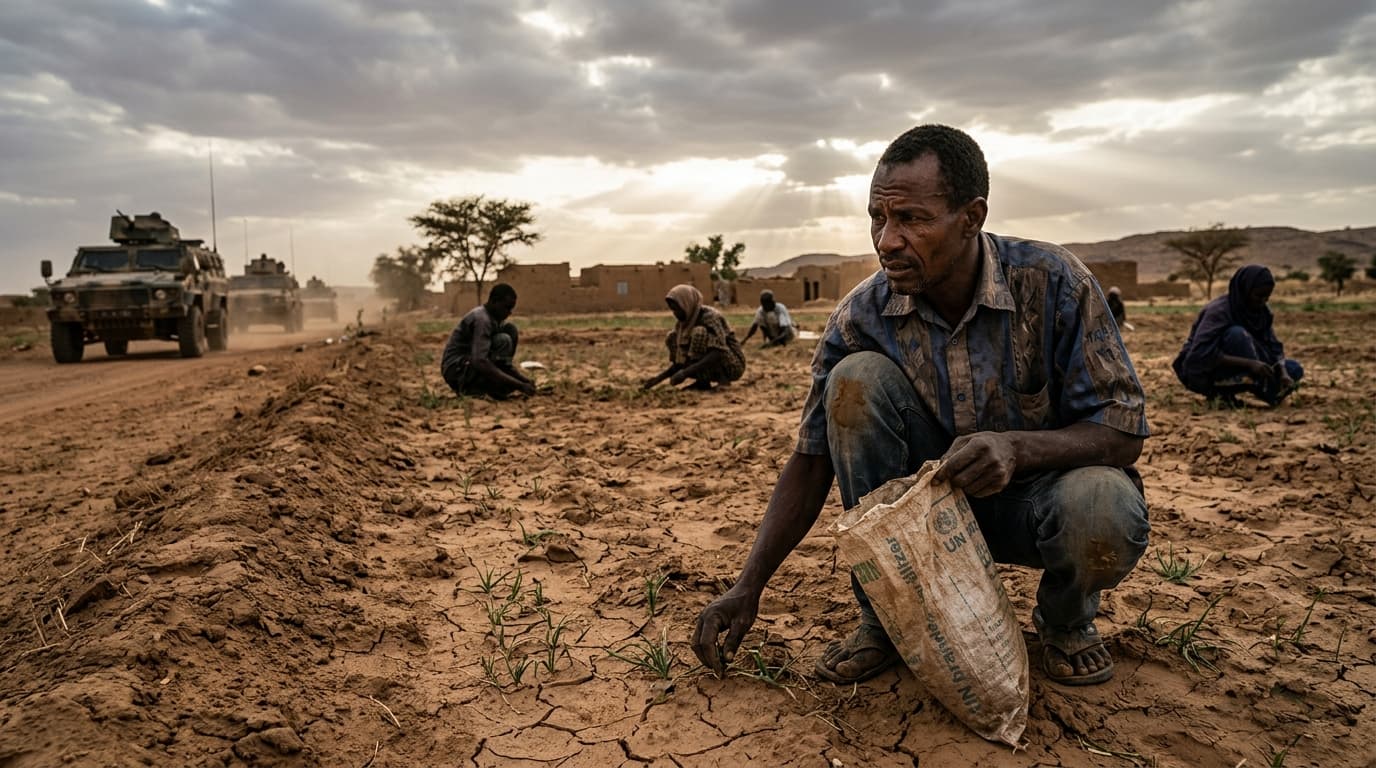
Conflict, climate extremes, and the Strait of Hormuz closure drive a severe food crisis in West and Central Africa, with fertilizer prices surging 80% and millions displaced.