Britain's Antisemitism Rally Unites Leaders
Religious leaders unite against rising antisemitism in the UK.
Model Diplomat3 min readEurope
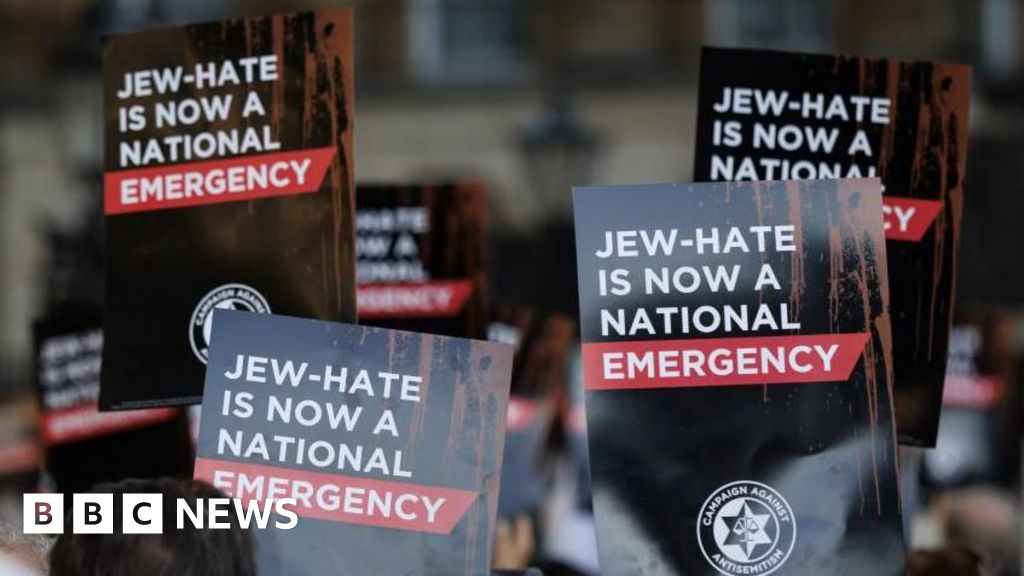
Britain’s antisemitism rally tests a fragile coalition
Religious and civic leaders are trying to widen antisemitism from a Jewish-security issue into a national one — and to force government, parties and institutions to act.
Antisemitism is now being framed as a problem for the whole country, not just Britain’s Jews. In an open letter organised by the Together Coalition, religious leaders from Christian, Muslim, Hindu, Sikh and Zoroastrian communities said the wave of attacks on Jewish sites feels like “a nightmare from another time” and insisted: “This is a problem for all of us to fix” (BBC). The message lands amid a rally in London and a string of incidents, including the stabbing of two Jewish men in Golders Green two weeks ago (
BBC).
Why this coalition matters
The power move here is not symbolic solidarity; it is political pressure. By putting clergy, business figures, sports and media names behind the letter, organisers are trying to deny extremists the usual escape hatch: that antisemitism is a niche concern for one community alone. Chief Rabbi Sir Ephraim Mirvis called the letter a “powerful riposte” and said he hopes workplaces, classrooms and social media follow suit (BBC).
That broad front matters because the UK debate has become entangled with protest politics, party positioning and policing. A separate letter from Muslim leaders published by the Jewish Chronicle said antisemitism has “worsened dramatically since October 7, 2023” and warned that “legitimate protest has been used by some to normalise slogans, symbols and rhetoric that glorify violence” (The Jewish Chronicle). That is the real strategic value of Sunday’s rally: it creates political cover for non-Jews to speak against antisemitism without being cast as defending one side of the Middle East conflict.
Who gains, who loses
The immediate beneficiaries are Britain’s Jewish institutions, which have been pushing for a broader public acknowledgment that security alone is not enough. The Board of Deputies, the Jewish Leadership Council and other groups have argued that protecting synagogues and ambulances is necessary but insufficient; they want a social and political response that reaches beyond police cordons (BBC).
The losers are politicians who would rather keep the issue contained. Keir Starmer has already said antisemitism is a crisis for “all of us” and has promised tighter action against extremist networks and stronger deterrence (BBC;
BBC). But the rally also exposes a fault line: some on the right want this framed as a crackdown on pro-Palestinian marches, while campaigners insist that conflating protest with antisemitism is both inaccurate and politically convenient (
BBC).
A petition against inviting Nigel Farage to speak at the rally, reported by Haaretz, underlines the risk for organisers: if the event looks like a stage for party politics, the cross-community message gets diluted fast (Haaretz).
What to watch next
The key date is today’s London rally. Watch who shows up, whether ministers stay visible but not dominant, and whether the organisers can keep the focus on antisemitism rather than wider culture-war arguments. The next real test comes after the speeches: whether this coalition converts into sustained pressure in schools, unions, media and universities — or whether it fades into another one-day show of concern.
Discover more
India
Romanian Coalition Party Demands PM Resign
Romania's Social Democrats withdrew from coalition, joining far-right AUR to topple PM Bolojan, risking €10 billion in EU funds by August 2026.

Conflict & Security
Drone Warfare Killing Aid Workers at Unprec
Over 1,000 humanitarian workers killed in three years as cheap armed drones collapse legal protections. Gaza, Sudan, Ukraine, and DRC see deliberate targeting of aid convoys and hospitals with zero prosecutions.

Global
World Normalises Taliban as Afghan Women Eras
UN data shows Afghan women erased from public life as Russia recognises the Taliban, EU hosts officials in Brussels, and ICC warrants for gender persecution go unenforced.
Conflict & Security
West Africa Food Crisis: Three Shocks in 2026
Conflict, climate extremes, and the Strait of Hormuz closure drive a severe food crisis in West and Central Africa, with fertilizer prices surging 80% and millions displaced.