Iran War Disrupts Gulf Economic Diversion
Gulf states face economic challenges due to Iran conflict.
Model Diplomat3 min readMiddle East
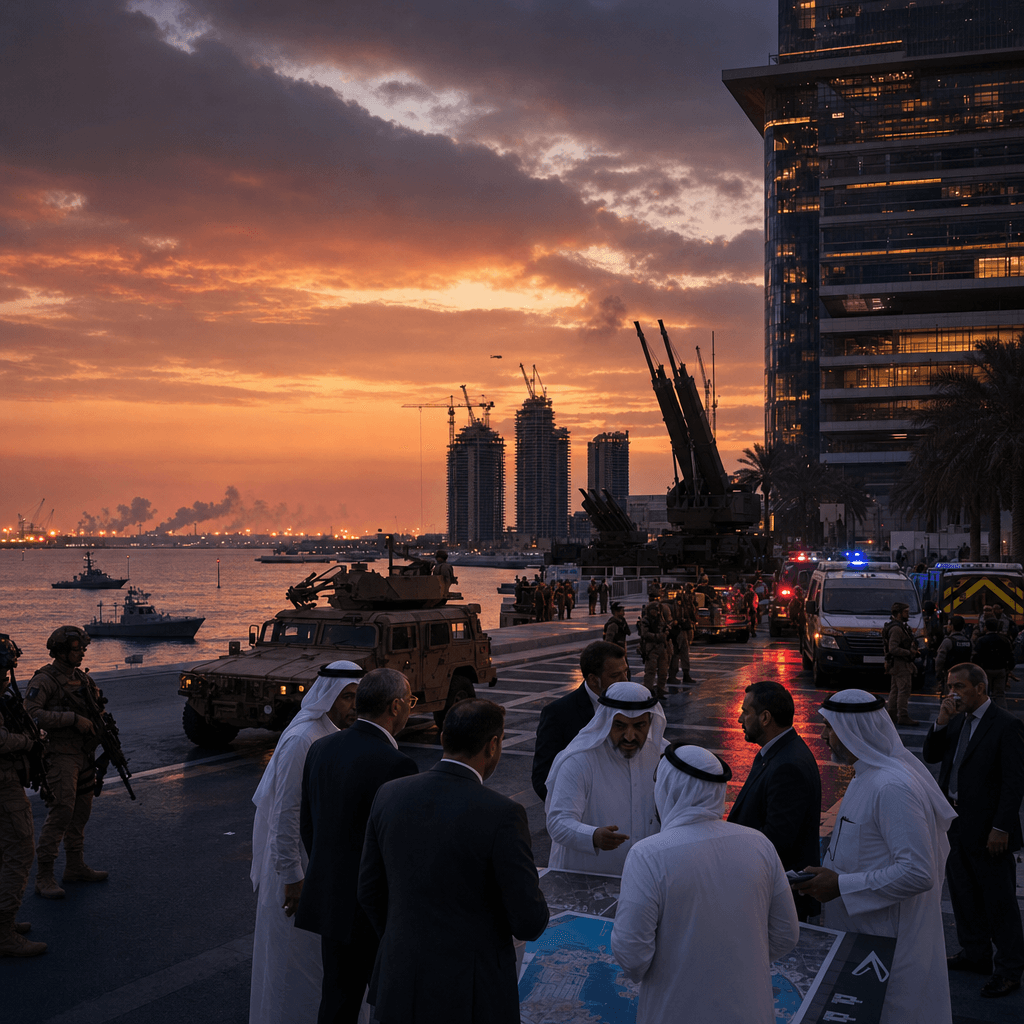
Iran War Forces the Gulf’s Economic Model Into Reversal
The Strait of Hormuz shock is hitting Gulf states twice: it is squeezing oil flows now and undermining the investor confidence that powered diversification.
The war with Iran is doing more than disrupting energy markets. It is forcing Gulf monarchies to trade long-term diversification for short-term security, according to The Washington Post, which describes the conflict as a stress test for the region’s push into finance, tourism and tech.
Reuters goes further: Gulf Cooperation Council economies are sliding toward their worst downturn since the pandemic, with several economies expected to contract this year as the Strait of Hormuz remains effectively choked off.
The leverage has shifted to security, not growth
Before the war, Gulf rulers sold a simple pitch to foreign capital: stable autocracies, deep reserves, modern infrastructure and rising consumer markets. That pitch depended on two assumptions — uninterrupted energy exports and a low-risk image for global investors. Iran has now attacked both. Reuters reports that the closure of Hormuz, through which about one-fifth of global oil and LNG flows pass, has damaged refineries and gas plants in Saudi Arabia, the UAE, Kuwait and Qatar, while driving a historic supply shock and higher insurance and shipping costs.
That matters because the Gulf’s diversification strategy was never a clean break from hydrocarbons. It was financed by them. Reuters says the UAE has shifted much of its trade to Fujairah and Khor Fakkan, while Saudi Arabia is leaning hard on its east-west pipeline to Yanbu. Those bypass routes reduce exposure, but they do not restore confidence. A region once marketed as a safe harbor now looks like a premium-risk zone.
Winners, losers, and the fiscal squeeze
This is not hitting every Gulf state equally. The countries with bypass capacity — especially Saudi Arabia and the UAE — have more room to absorb the shock. Reuters notes that Qatar, Kuwait and Bahrain are much more exposed because they lack realistic alternatives to Hormuz. That creates a political hierarchy inside the Gulf: Riyadh and Abu Dhabi can spend to harden their logistics and security; Doha, Manama and Kuwait City have less fiscal maneuvering room.
The deeper problem is budget allocation. The Washington Post reports that Saudi Arabia is already cutting back on optional spending tied to its Vision 2030 overhaul. Reuters’ economists say higher security costs, rebuilding damaged energy assets and building new pipelines will divert money away from foreign investments and domestic prestige projects alike. That is the real reckoning: the war is not just reducing revenue, it is changing what Gulf states can afford to prioritize.
For external powers, this also narrows options. The U.S. benefits from Gulf stability because it stabilizes energy prices and protects commercial routes; Global Politics now looks inseparable from chokepoint security. But Washington cannot easily guarantee investor confidence if shipping lanes remain vulnerable and the conflict can reignite.
What to watch next
The next decision point is whether the strait stays open enough to restore normal loadings, or whether attacks keep insurance and freight costs elevated. Watch Saudi and Emirati routing data, Qatar’s LNG export recovery, and any new commitment to permanent bypass infrastructure. If the war drags on, the Gulf’s diversification story will not disappear — but it will be financed more defensively, and much more slowly.
Discover more
Global Politics
Trump's Conflicting Messages on Iran War
Trump's mixed messages on Iran reflect a strategy of audience management, benefiting Tehran amid a complex geopolitical landscape.

Global Politics
US Seizes Iranian Ship, Tensions Surge
The US seizure of the Iranian ship Touska highlights a shift in control over the Strait of Hormuz, favoring Iran's strategic position.

Conflict & Security
Drone Warfare Killing Aid Workers at Unprec
Over 1,000 humanitarian workers killed in three years as cheap armed drones collapse legal protections. Gaza, Sudan, Ukraine, and DRC see deliberate targeting of aid convoys and hospitals with zero prosecutions.
Global
World Normalises Taliban as Afghan Women Eras
UN data shows Afghan women erased from public life as Russia recognises the Taliban, EU hosts officials in Brussels, and ICC warrants for gender persecution go unenforced.