Hungary's New Era: Magyar vs. Orbán's Legacy
Péter Magyar takes power with a mandate to unwind Orbán’s system
Model Diplomat3 min readEurope
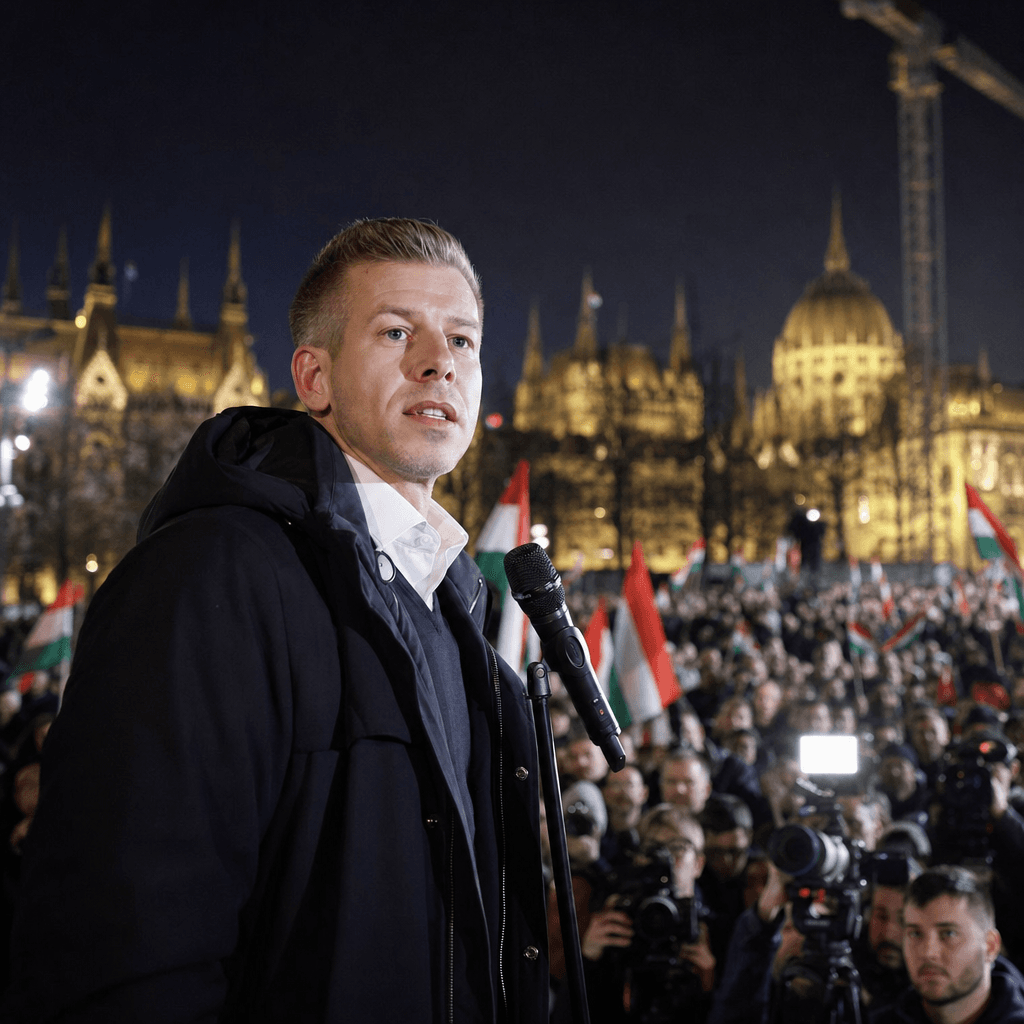
Hungary’s Orbán Era Ends in a Supermajority Test
Péter Magyar takes power with a mandate to unwind Orbán’s system, but the real leverage now sits with Brussels, the prosecutor’s office and the budget.
Magyar has the votes; the state still has the machinery
Hungary’s incoming prime minister, Péter Magyar, is set to be sworn in on Saturday and celebrate outside parliament in what his party is calling a “regime change” event, after Tisza won 141 of 199 seats and swept Viktor Orbán’s Fidesz out of power, the BBC reported (BBC). That majority is not just political symbolism: it is the kind of margin that lets Magyar move fast on constitutional and institutional changes if his coalition stays together.
The power dynamic is straightforward. Magyar has the electoral mandate; Orbán’s old network still controls much of the bureaucracy, the media ecosystem and the business ties built over 16 years. According to the BBC, Magyar’s camp is already speaking in the language of systemic replacement, not routine turnover — “change of system” as well as change of government (BBC).
The first prize is money, not ideology
The immediate payoff is access to frozen EU funds. The BBC says Hungary has roughly €17 billion withheld by the European Commission over rule-of-law and corruption concerns, while POLITICO reports that about €10 billion could expire if Budapest misses an August 31 deadline tied to EU “super milestones” (BBC;
POLITICO). That makes Brussels Magyar’s first real negotiating partner — and his most important source of leverage over the economy.
This is why the inauguration matters beyond the spectacle. Magyar is trying to present himself as the anti-Orbán without looking like a revolutionary. AP, via WCCO, says Tisza plans a “regime-change celebration,” but also promises no revenge, only accountability through a new office to recover stolen assets (AP). That is a deliberate signal to the EU: this government wants cash, credibility and legal cover, not chaos. For
Global Politics, that is the core story — a new government using anti-corruption reform as foreign-policy leverage.
Orbán’s loss is still a live political fight
Orbán’s camp is not disappearing cleanly. The BBC notes that Fidesz has collapsed to 52 seats and that Orbán’s future inside parliament is unclear, even as corruption allegations continue to surface around the outgoing system (BBC). That matters because the real test for Magyar is whether he can convert victory into institutional control before Orbán’s allies regroup in the courts, the media or the business sector.
DW reported before the handover that Magyar was also moving quickly against state-run media and hostile appointees, a sign that the new government sees narrative control as part of the governing battlefield (DW). That is the next point of friction: if Magyar goes too fast, he risks looking vindictive; if he moves too slowly, Orbán’s infrastructure will survive long enough to undermine him.
What to watch next: whether Orbán shows up at the opening session; whether Magyar’s government files the first corruption cases; and whether Brussels starts signaling a release of funds before the late-May negotiation window flagged by POLITICO (POLITICO). If money starts moving, Magyar’s transition gains momentum. If it does not, the new prime minister inherits a mandate — and a fiscal trap.
Discover more
India
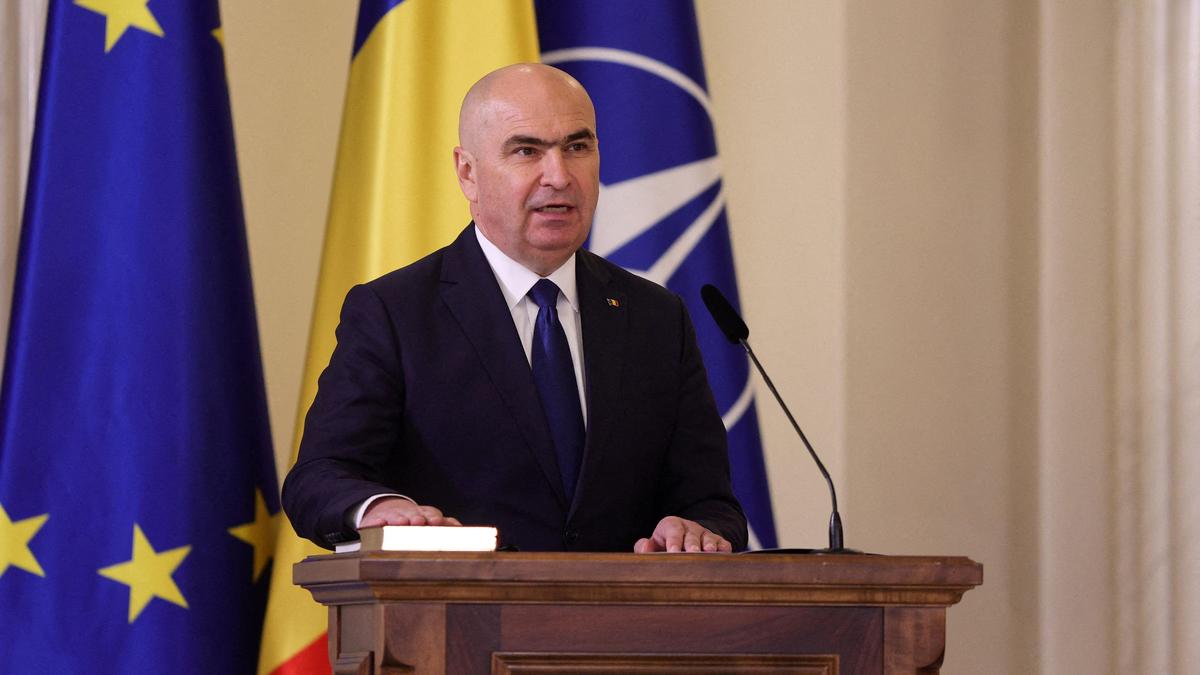
Romanian Coalition Party Demands PM Resign
Romania's Social Democrats withdrew from coalition, joining far-right AUR to topple PM Bolojan, risking €10 billion in EU funds by August 2026.

Conflict & Security
Drone Warfare Killing Aid Workers at Unprec
Over 1,000 humanitarian workers killed in three years as cheap armed drones collapse legal protections. Gaza, Sudan, Ukraine, and DRC see deliberate targeting of aid convoys and hospitals with zero prosecutions.

Global
World Normalises Taliban as Afghan Women Eras
UN data shows Afghan women erased from public life as Russia recognises the Taliban, EU hosts officials in Brussels, and ICC warrants for gender persecution go unenforced.
Conflict & Security
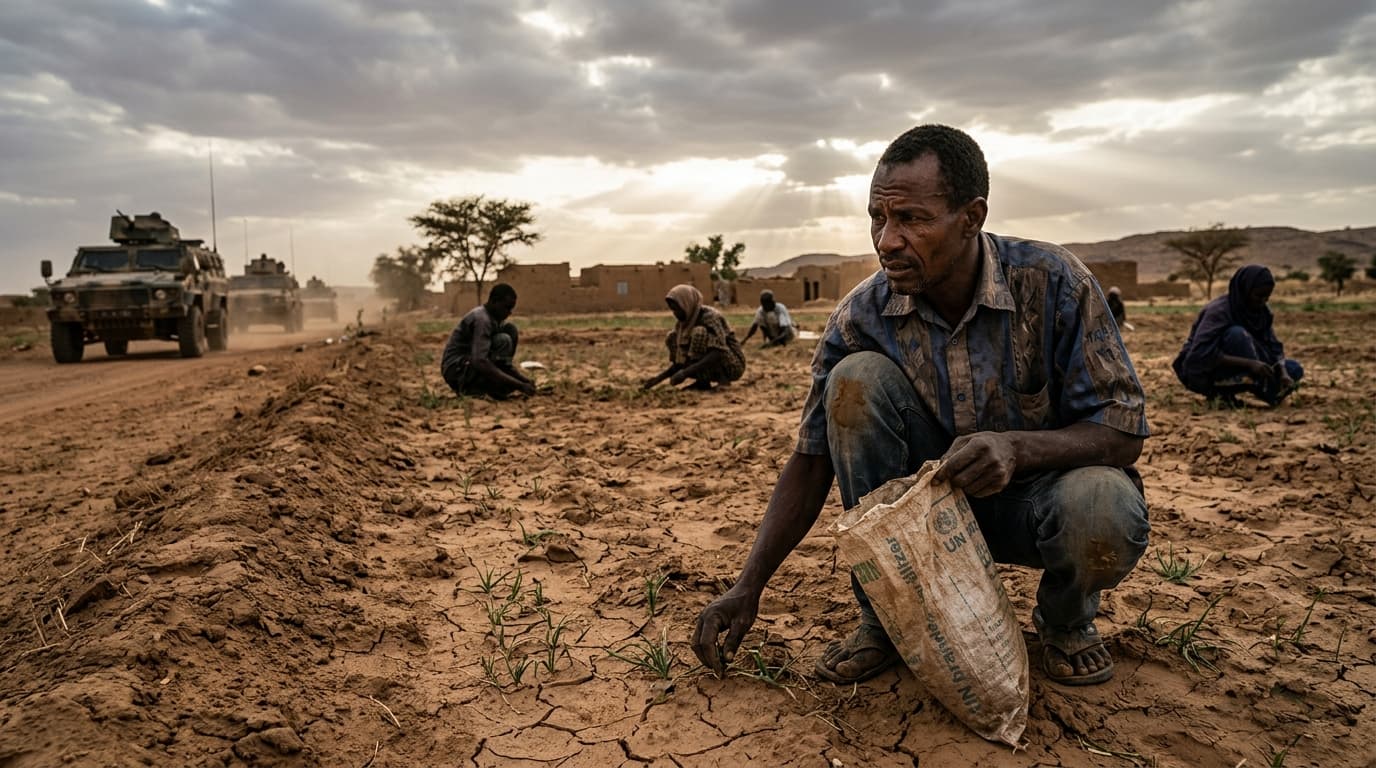
West Africa Food Crisis: Three Shocks in 2026
Conflict, climate extremes, and the Strait of Hormuz closure drive a severe food crisis in West and Central Africa, with fertilizer prices surging 80% and millions displaced.