U.S. Iran Draft Revision Faces Veto Threat
U.S. revises Iran resolution, but vetoes loom from China, Russia.
Model Diplomat3 min readGlobal
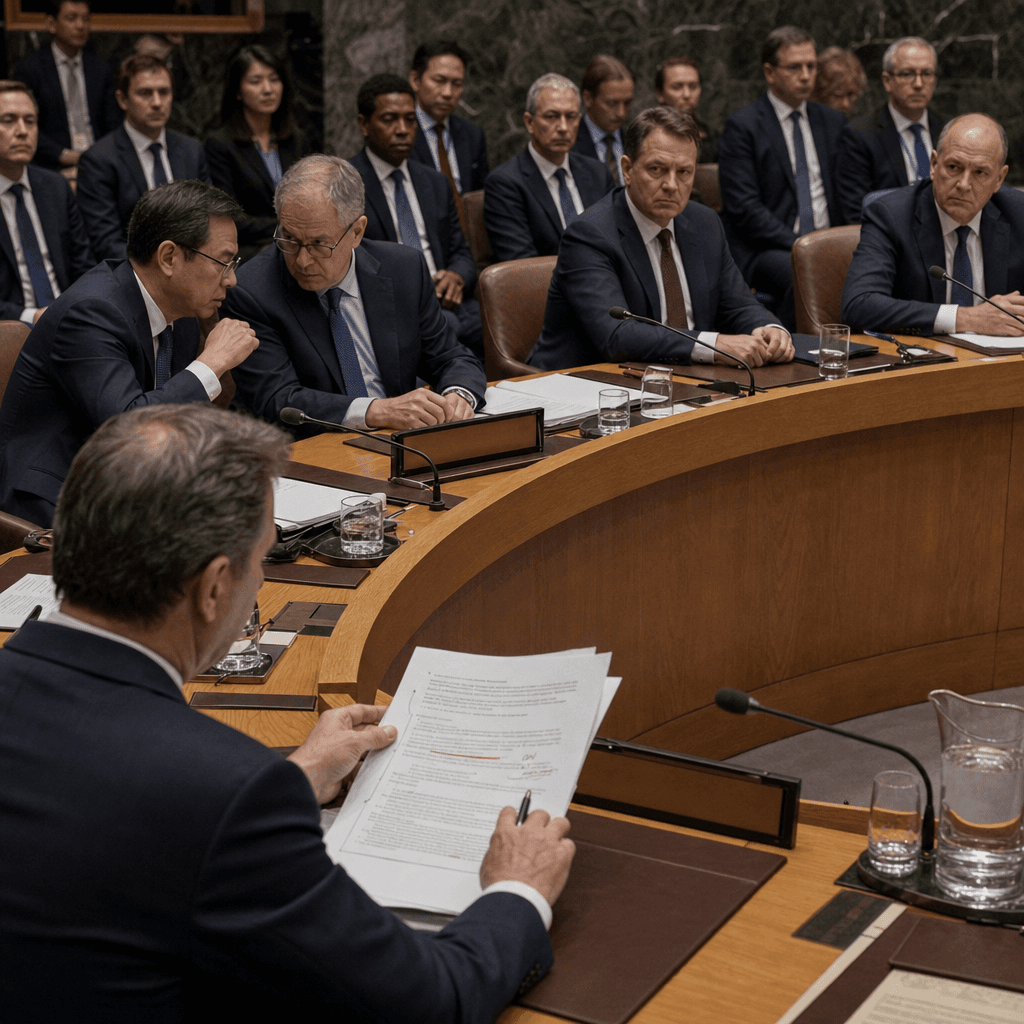
U.S. Softens Iran Draft, but Veto Fight Stays Locked
Washington dropped explicit force language from its Hormuz resolution, yet China and Russia still look set to block it and keep leverage over the Council.
The United States has revised its U.N. Security Council draft on Iran by removing a Chapter VII clause that could have opened the door to sanctions or military action, but the political math has not changed: diplomats still expect China and Russia to veto it, Reuters reported on Friday. The new text still demands that Iran halt attacks and mining in the Strait of Hormuz, says the Council could return to “effective measures” including sanctions if Tehran does not comply, and reaffirms states’ right to defend their vessels (Reuters).
The rewrite is about optics, not consensus
Washington’s move is less a concession than a tactical cleanup. By dropping the explicit Chapter VII reference, the U.S. is trying to blunt the charge that the draft is a blank check for coercion, while still keeping pressure on Tehran and signaling resolve to Gulf partners, according to Reuters and Al Jazeera (Reuters;
Al Jazeera). But Beijing and Moscow have already decided the broader frame is unacceptable. Reuters said Russian diplomats complained that one-sided drafts could “trigger a new wave of escalation” in the Middle East, while Al Jazeera reported that the two powers vetoed an earlier Hormuz resolution in April and are circulating their own competing text (
Reuters;
Al Jazeera).
That matters because the U.S. is not really trying to win a universal mandate. It is trying to force a choice: side with freedom of navigation, or defend Iran from a resolution written around attacks on shipping. If the vote goes down, Washington still gets a useful result — it can tell Gulf capitals and shipping insurers that Moscow and Beijing blocked the Council from backing maritime security.
Who gains if the vote fails
A veto would hand the biggest gain to China and Russia, which keep their ability to frame the crisis as a response to Western pressure, not Iranian provocation. It would also help Tehran by preserving ambiguity around the use of force and showing that its allies can still shield it in New York (Reuters). The losers are the U.S. and its Gulf partners, who want the Council to validate tighter scrutiny of Iran’s role in disrupting the strait and to normalize the idea of sanctions if the disruption continues (
Al Jazeera).
This is also why the exact wording matters less than the coalition map. The U.S., Bahrain and other Gulf backers are using the Council to internationalize a shipping crisis; China and Russia are using the same chamber to stop that from hardening into precedent. For readers tracking the wider contest over maritime security and sanctions policy, this is a textbook Global Politics fight over who gets to define the rules.
What to watch next
Reuters said the Council had not yet set a vote date, while Al Jazeera reported Washington wanted a final draft circulated by Friday and a vote early next week (Reuters;
Al Jazeera). The key point to watch is whether China and Russia table their competing text before then. If they do, this stops being a U.S.-Iran dispute and becomes a straight Security Council showdown over coercion, maritime law, and who holds the veto.
Discover more
Global
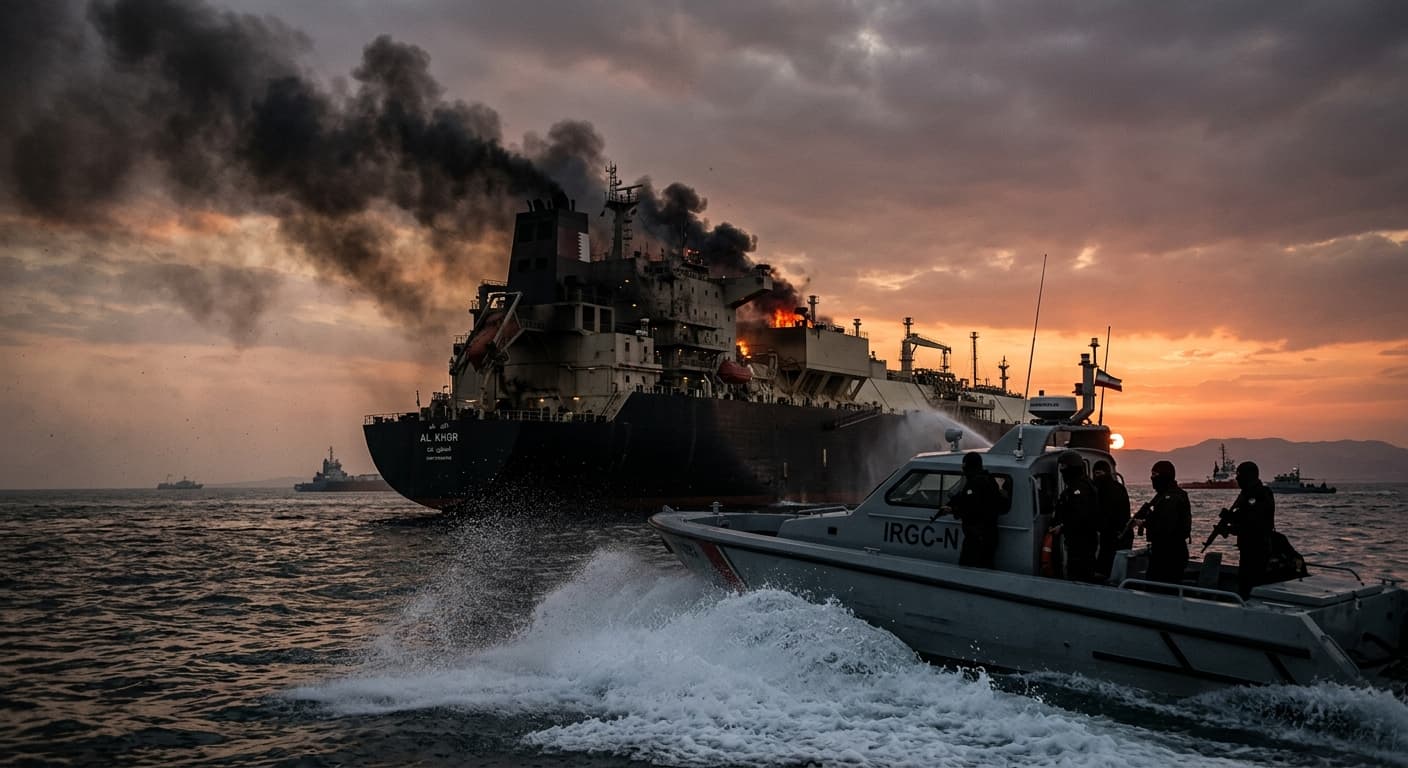
Qatari Tanker Strike Exposes Hormuz Tensions
A Qatari tanker was struck off Oman, revealing the fragility of the Hormuz ceasefire and Iran's influence over maritime security.
Global
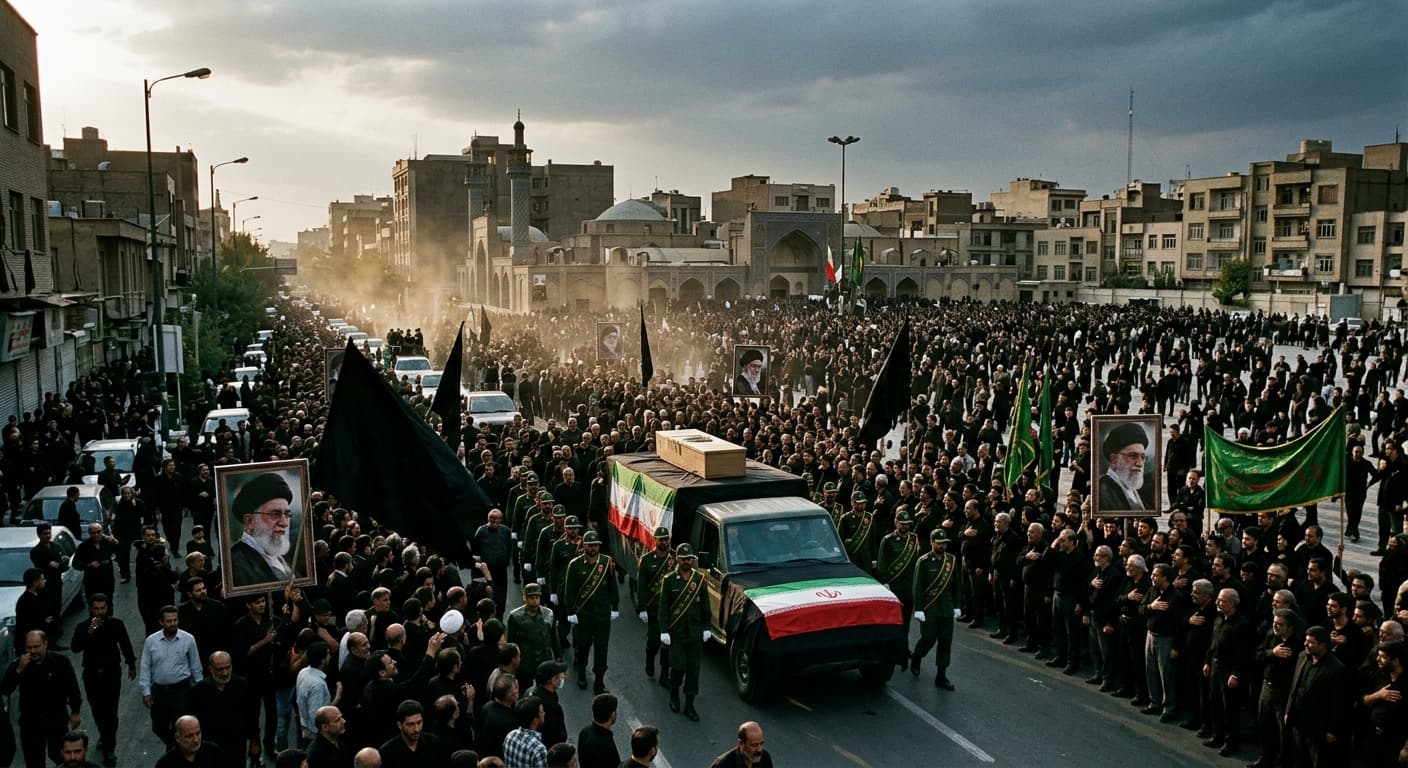
Khamenei's Funeral Signals Iran's Decline
The funeral of Ayatollah Khamenei highlights Iran's diminished influence in the Gulf, with regional powers now dictating terms.
Global
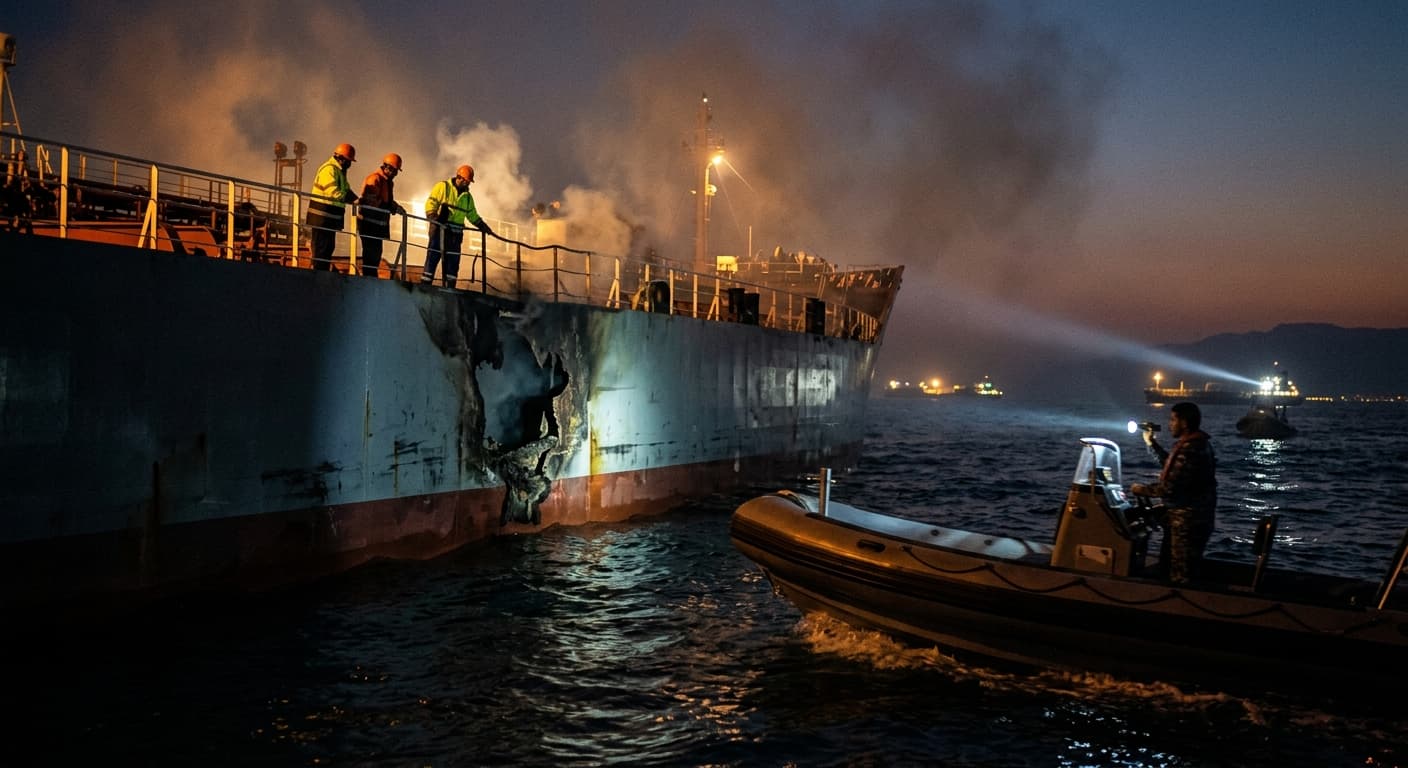
Iran's Hormuz Missile Strikes: A Toll Booth
Iran's missile attack on a Qatari-linked tanker highlights Tehran's strategy to control the Strait of Hormuz, impacting Gulf states and maritime law.

Tech Policy
Iran's Cavern Manticore Targets Israel's IT
Cavern Manticore, an Iran-linked hacking group, targets Israeli IT vendors, prompting a shift in Israel's cybersecurity policy and legislative efforts.