Trump's Tactics Amid Hormuz Tensions
US-Iran tensions rise in the Strait of Hormuz amid military actions.
Model Diplomat2 min readMiddle East
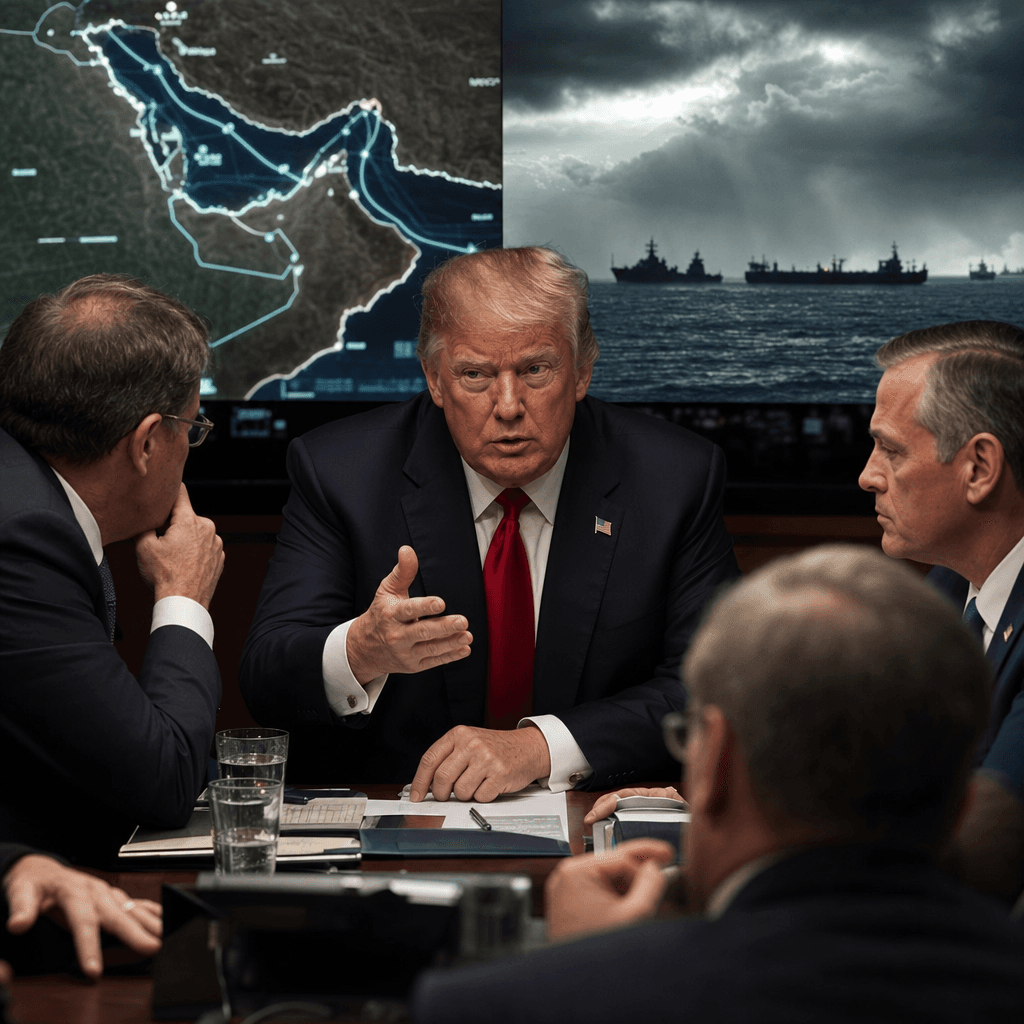
Trump Downplays Iran Clash as Hormuz Risks Spike
US and Iranian forces traded fire in the Strait of Hormuz, but Trump signaled he still wants a deal — while keeping military pressure on Tehran.
Trump is trying to do two things at once: show he will answer Iranian fire, and keep the ceasefire alive long enough to force a bargain. That is the core power play behind Thursday’s exchange in the Strait of Hormuz, where the U.S. military said it intercepted Iranian attacks on three Navy ships and struck back at Iranian military facilities, while Iranian state media said its forces had hit back after U.S. actions against an Iranian tanker and coastal targets (NPR/AP,
Al Jazeera).
The immediate winner is leverage, not stability
This was not a full breach of the ceasefire, but it was a warning shot that the truce is brittle. U.S. Central Command said no American ships were hit and it was acting in self-defense (NPR/AP). Iran’s version is the mirror image: U.S. forces violated the truce first, then Iranian units responded. That dispute over who started it matters less than the strategic point — both sides are now using maritime pressure to shape negotiations.
For Washington, the goal is freedom of navigation in a chokepoint that underpins global energy flows. For Tehran, the goal is to make that objective expensive. The Strait of Hormuz is not just a regional flashpoint; it is a market-moving lever. Every exchange near it raises insurance costs, pushes up fuel prices, and gives both sides a way to signal resolve without committing to a larger ground war (BBC).
Trump’s language signals coercion, not de-escalation
Trump’s public line after the exchange was classic pressure diplomacy: he said the ceasefire remained in place, but warned Iran it would be hit “a lot harder” if it did not sign a deal, according to the BBC’s reporting of his post on Truth Social (BBC). The Guardian’s live update also says he dismissed the naval exchange as a “love tap,” which is consistent with his pattern of minimizing tactical friction while maximizing bargaining pressure (
The Guardian).
That posture benefits the White House politically if it can hold the line without another Middle East escalation. It also gives U.S. commanders room to keep blocking Iranian maritime moves while insisting they are not widening the war. The loser, for now, is anyone dependent on predictable shipping — energy traders, Gulf shippers, and governments trying to keep the ceasefire from collapsing.
What to watch next
The next decision point is whether Washington and Tehran keep talking while ships keep exchanging fire. Watch three things: whether the U.S. resumes or expands its maritime escort effort; whether Iran follows with more drone or missile activity; and whether any backchannel talks produce a timetable for reopening the strait. If that does not happen quickly, the ceasefire becomes a label, not a restraint.
For the wider context, see Global Politics and
United States.
Discover more

Global Politics
US Seizes Iranian Ship, Tensions Surge
The US seizure of the Iranian ship Touska highlights a shift in control over the Strait of Hormuz, favoring Iran's strategic position.

Conflict & Security
Drone Warfare Killing Aid Workers at Unprec
Over 1,000 humanitarian workers killed in three years as cheap armed drones collapse legal protections. Gaza, Sudan, Ukraine, and DRC see deliberate targeting of aid convoys and hospitals with zero prosecutions.

Global
World Normalises Taliban as Afghan Women Eras
UN data shows Afghan women erased from public life as Russia recognises the Taliban, EU hosts officials in Brussels, and ICC warrants for gender persecution go unenforced.
Conflict & Security
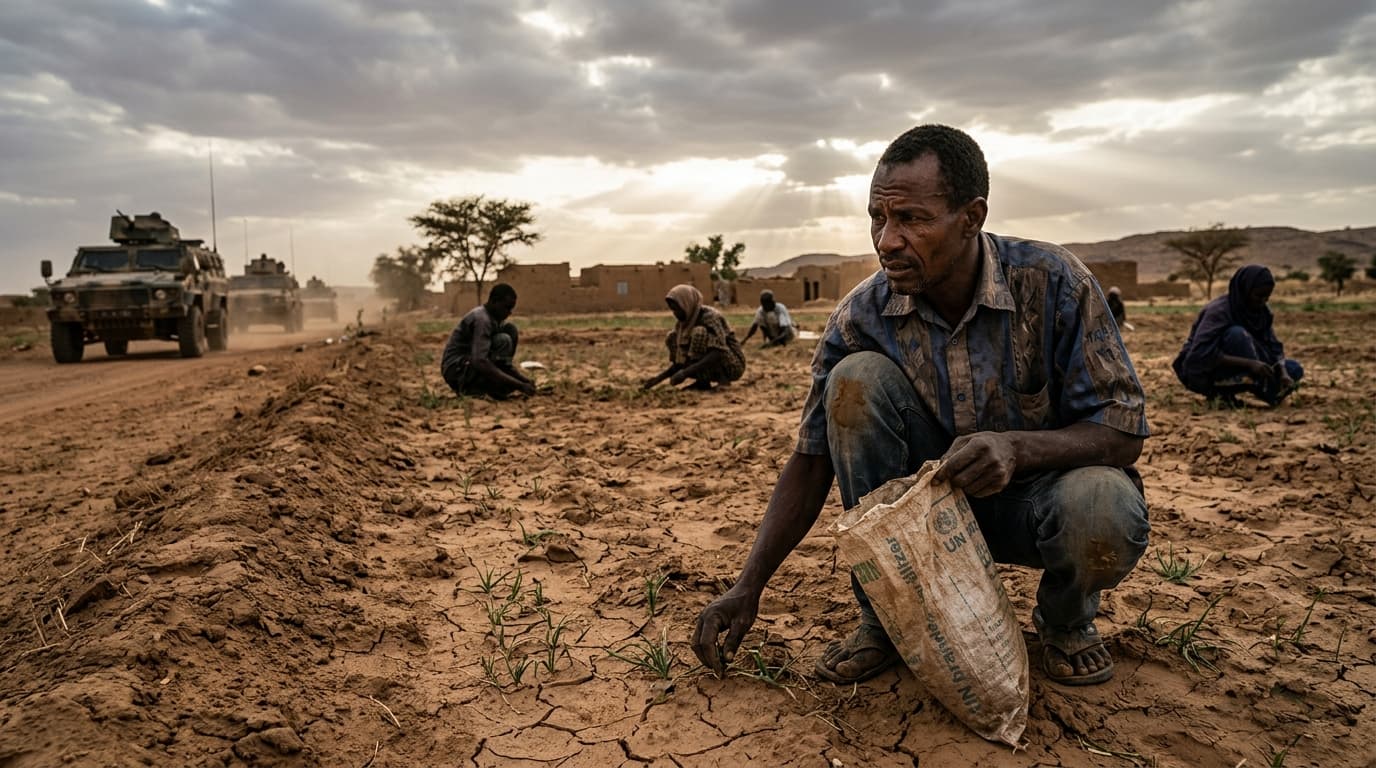
West Africa Food Crisis: Three Shocks in 2026
Conflict, climate extremes, and the Strait of Hormuz closure drive a severe food crisis in West and Central Africa, with fertilizer prices surging 80% and millions displaced.