Hezbollah's Disruption of Lebanon-Israel Deal
Hezbollah seeks to disrupt U.S. diplomatic efforts in the region.
Model Diplomat3 min readMiddle East
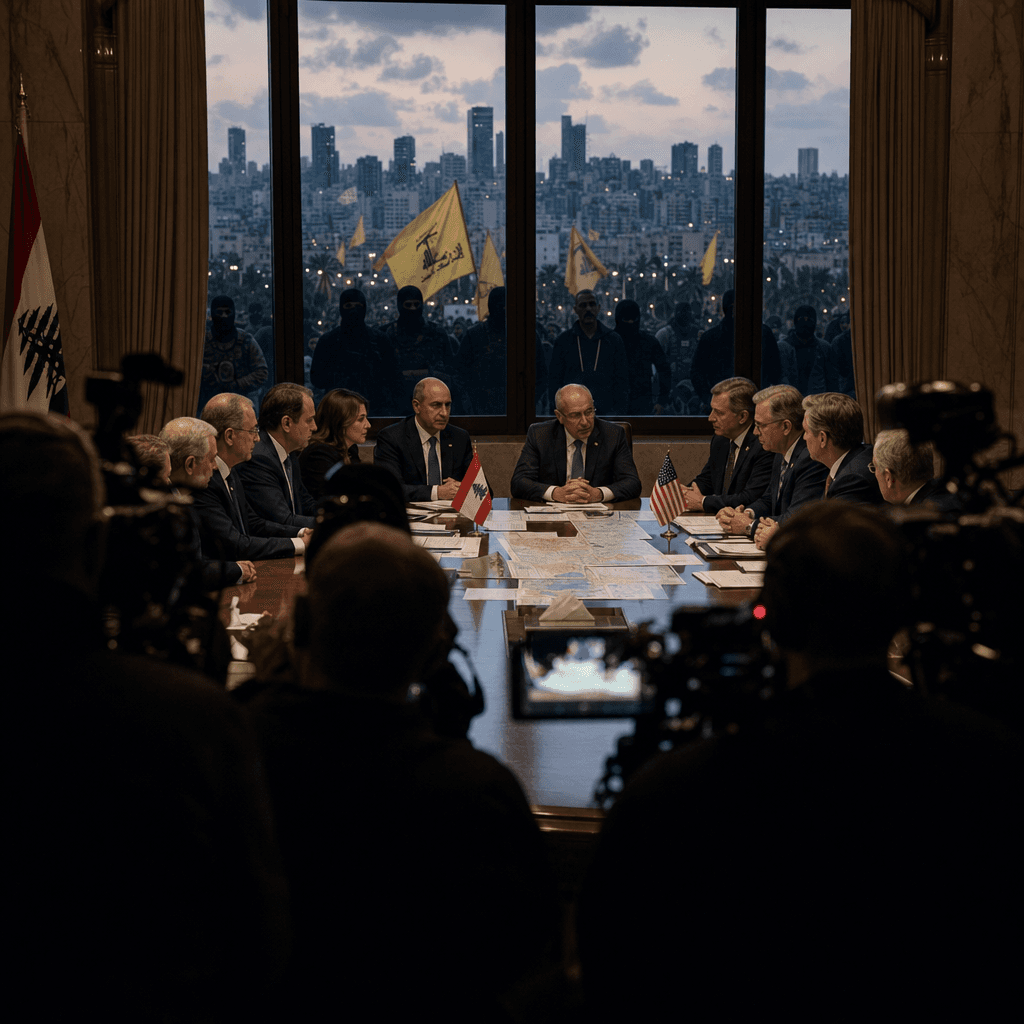
Hezbollah Is Trying to Spoil the U.S. Track on Lebanon-Israel Talks
Washington is trying to turn a border war into state-to-state bargaining; Hezbollah is moving to keep that from happening because direct talks weaken its veto.
The U.S. is trying to create a diplomatic lane between Lebanon and Israel, and Hezbollah is the main force trying to block it. State Department spokesperson Tommy Piggott told Al Jazeera the United States is working to create conditions for “good faith conversations” and accused Hezbollah of trying to derail diplomacy through attacks and threats (Al Jazeera). That is the core power struggle: Washington wants a negotiable border arrangement; Hezbollah wants to preserve armed leverage outside the Lebanese state.
Why Hezbollah Has an Incentive to Disrupt
Hezbollah’s opposition is not just rhetorical. The group has rejected direct Israel-Lebanon ceasefire talks and framed them as a disguised disarmament drive, with senior official Wafiq Safa calling the talks “futile,” according to Reuters and
Reuters. That matters because any direct track between governments is designed to sideline the militia that has long acted as Lebanon’s strongest military actor and Iran’s most important proxy.
The timing also helps explain the urgency. Reuters reported in February that Lebanon’s cabinet gave the army four months to advance a disarmament plan, a move Hezbollah denounced as serving Israel’s interests (Reuters). In March, Reuters said France was pushing a non-aggression framework, while the U.S. remained lukewarm and Israel rejected the proposal (
Reuters). The result is a familiar but tighter dynamic: Israel wants Hezbollah neutralized, Washington wants a government-to-government process, and Hezbollah wants neither without concessions that preserve its deterrent power.
What This Means for Lebanon and Israel
Lebanon’s government is caught in the middle. It needs U.S. support and wants to reduce border risk, but it cannot easily force Hezbollah to comply without risking internal fracture. That is why Conflict is the right lens here: this is not just a ceasefire problem, it is a contest over who speaks for Lebanon and who controls escalation.
For Israel, the advantage is political as much as military. By insisting on direct talks and Hezbollah’s disarmament, Jerusalem shifts the burden onto Beirut: if the Lebanese state cannot control armed activity, then Israel can argue there is no reliable partner for a durable deal. For the U.S., the gain would be a state-backed process that reduces the chance of another open-ended border war. Hezbollah loses most from that outcome, which is why it has every reason to inject spoilers.
What to Watch Next
The key test is whether Washington can keep Lebanon in the talks while preventing Hezbollah from defining the agenda. Watch for three things: whether Beirut agrees to any new direct meeting format, whether Israel conditions engagement on disarmament language, and whether Hezbollah escalates attacks or threats to make the political cost of talks too high. The next decision point is the U.S.-Lebanon engagement cycle later this month, when both sides will have to show whether this is a negotiation or just another pause before the next round.
Discover more

International Relations
Pakistan's Key Role in US-Israel-Iran Meddle
Pakistan is seeking to mediate the US-Israel-Iran conflict, balancing high-stakes diplomacy against severe economic pressures and steep regional challenges.

Conflict & Security
Drone Warfare Killing Aid Workers at Unprec
Over 1,000 humanitarian workers killed in three years as cheap armed drones collapse legal protections. Gaza, Sudan, Ukraine, and DRC see deliberate targeting of aid convoys and hospitals with zero prosecutions.

Global
World Normalises Taliban as Afghan Women Eras
UN data shows Afghan women erased from public life as Russia recognises the Taliban, EU hosts officials in Brussels, and ICC warrants for gender persecution go unenforced.
Conflict & Security
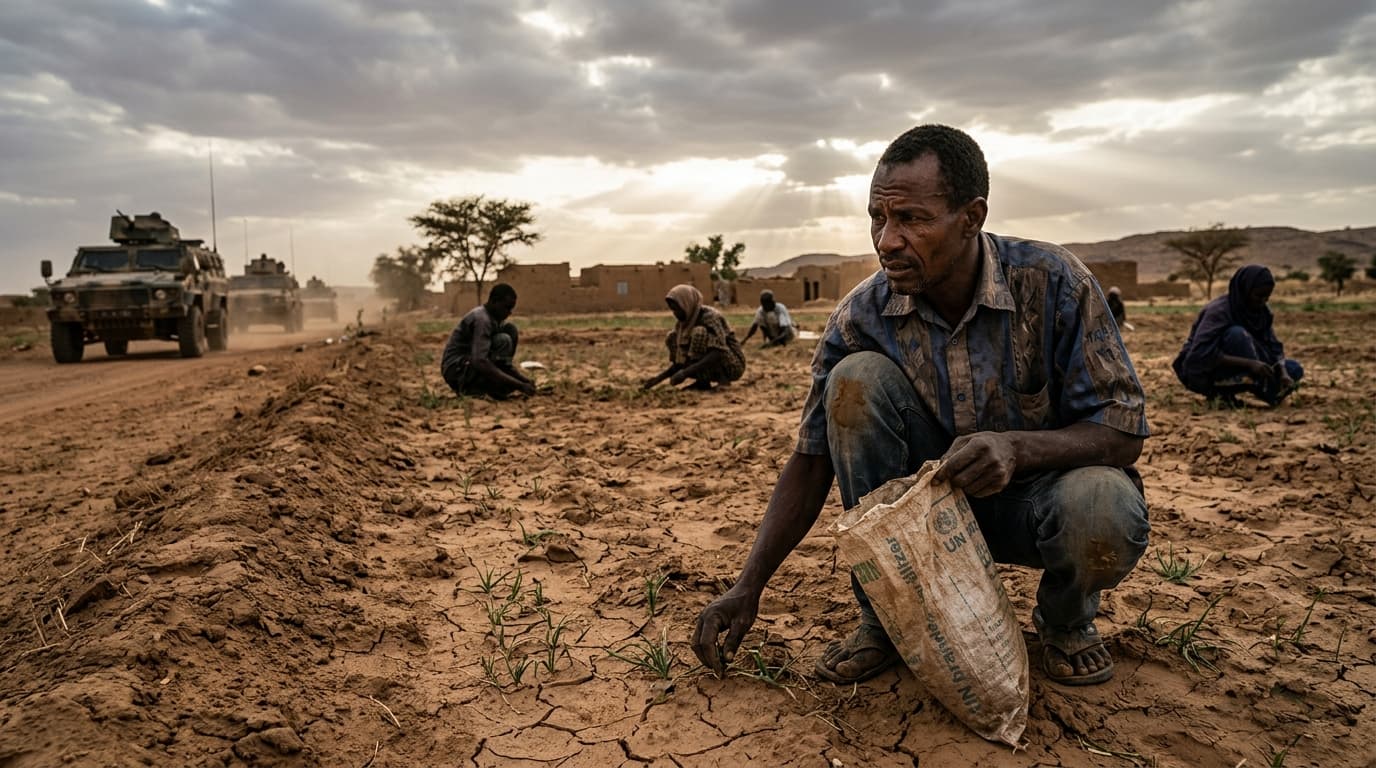
West Africa Food Crisis: Three Shocks in 2026
Conflict, climate extremes, and the Strait of Hormuz closure drive a severe food crisis in West and Central Africa, with fertilizer prices surging 80% and millions displaced.