Rubio's Lebanon Strategy Targets Hezbollah
U.S. seeks Israel-Lebanon peace, but Hezbollah complicates efforts
Model Diplomat2 min readMiddle East
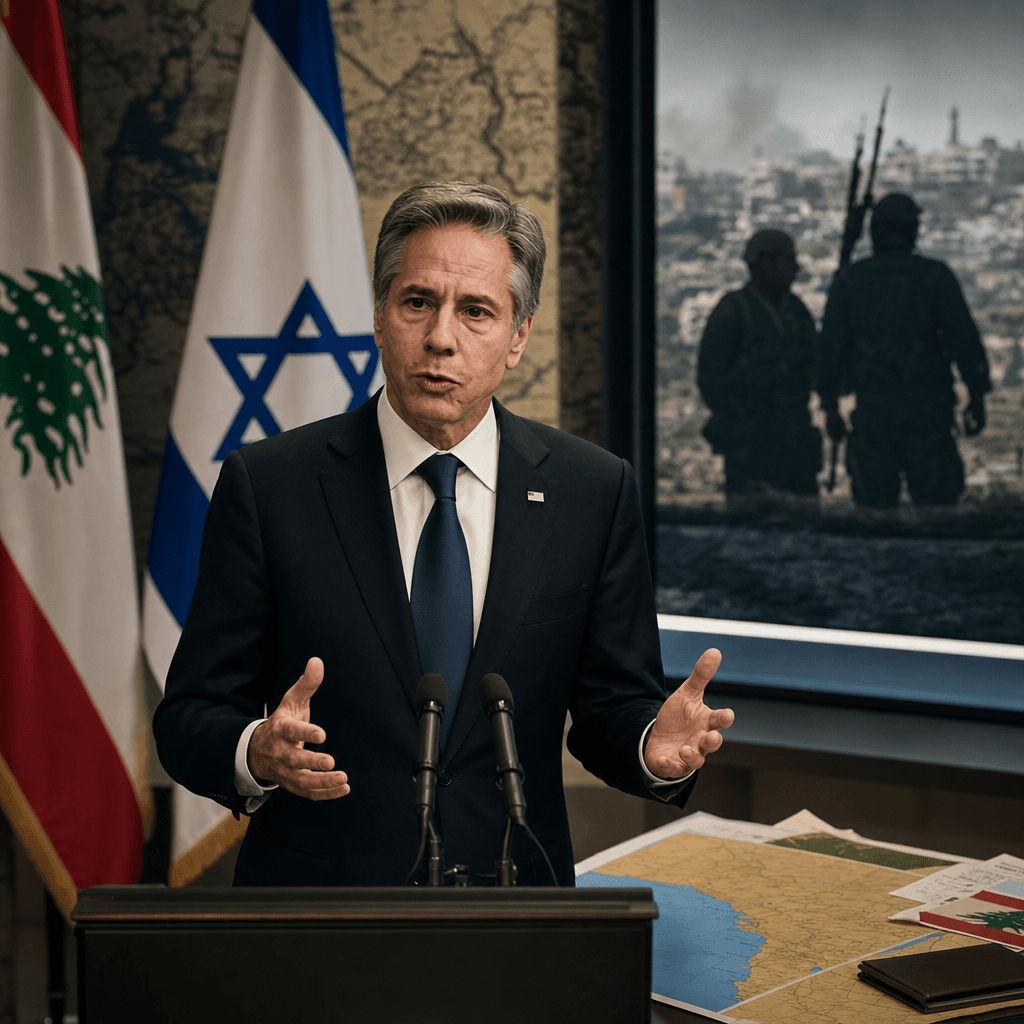
Rubio’s Lebanon play puts Hezbollah in the crosshairs
Washington is framing an Israel-Lebanon deal as reachable, but only if Beirut can rein in Hezbollah — the actor that actually controls the escalation clock.
Hezbollah is the veto player
U.S. Secretary of State Marco Rubio said on Tuesday that a peace deal between Israel and Lebanon was “imminently achievable,” but added that “the problem … is Hezbollah,” not the two states themselves. Reuters That is the core power dynamic: Washington is trying to turn a border war into a state-to-state negotiation, while Israel and Lebanon are both signaling that the real issue is whether Hezbollah can be contained.
Reuters,
Reuters
The talks already exposed that mismatch. At the April 14 Washington meeting, Lebanon’s envoy was authorized to discuss only a ceasefire, while Israel insisted any lasting arrangement must include Hezbollah’s disarmament. Reuters That means Beirut is being asked to deliver what it does not fully control, while Israel is using the negotiations to translate battlefield pressure into political gains.
Reuters,
Reuters
Why this matters now
This is not starting from zero. The current diplomatic track follows the 2024 Israel-Hezbollah war and a ceasefire based on stronger implementation of U.N. Security Council Resolution 1701, which had been violated for years by both sides. Reuters,
Reuters In November 2024, Reuters reported that the ceasefire terms went further than 1701 by narrowing Hezbollah’s room to rearm and spelling out that only official Lebanese forces may carry arms.
Reuters
That history matters because it shows who benefits from a tougher line. Israel gains leverage if Washington keeps pressing Lebanon to treat Hezbollah as the obstacle, while the Lebanese government gets diplomatic cover but little hard power. Reuters,
Reuters The Lebanese army is still underfunded, politically constrained, and wary of a direct clash with Hezbollah — which is why outside funding and U.S. pressure have become part of the negotiating toolset.
Reuters
For Hezbollah, the downside is obvious: every diplomatic round that treats it as the problem reduces its claim to be the sole defender of Lebanon and increases pressure on its political allies in Beirut. For more background, see International Relations and
Lebanon’s country profile.
What to watch next
The next decision point is whether Washington turns Rubio’s language into a formal round of talks in the coming weeks, and whether Lebanon comes back with any concrete formula for Hezbollah’s role. Reuters If Israel keeps insisting on disarmament before any ceasefire, the process will stay alive — but stalled — because the only actor with real coercive capacity in the south is still Hezbollah.
Discover more

International Relations
Pakistan's Key Role in US-Israel-Iran Meddle
Pakistan is seeking to mediate the US-Israel-Iran conflict, balancing high-stakes diplomacy against severe economic pressures and steep regional challenges.
Global Politics
Trump's Conflicting Messages on Iran War
Trump's mixed messages on Iran reflect a strategy of audience management, benefiting Tehran amid a complex geopolitical landscape.

Conflict & Security
Drone Warfare Killing Aid Workers at Unprec
Over 1,000 humanitarian workers killed in three years as cheap armed drones collapse legal protections. Gaza, Sudan, Ukraine, and DRC see deliberate targeting of aid convoys and hospitals with zero prosecutions.

Global
World Normalises Taliban as Afghan Women Eras
UN data shows Afghan women erased from public life as Russia recognises the Taliban, EU hosts officials in Brussels, and ICC warrants for gender persecution go unenforced.