The Gulf's Leverage
Exploring U.S. security guarantees in the Gulf region
Model Diplomat3 min readMiddle East
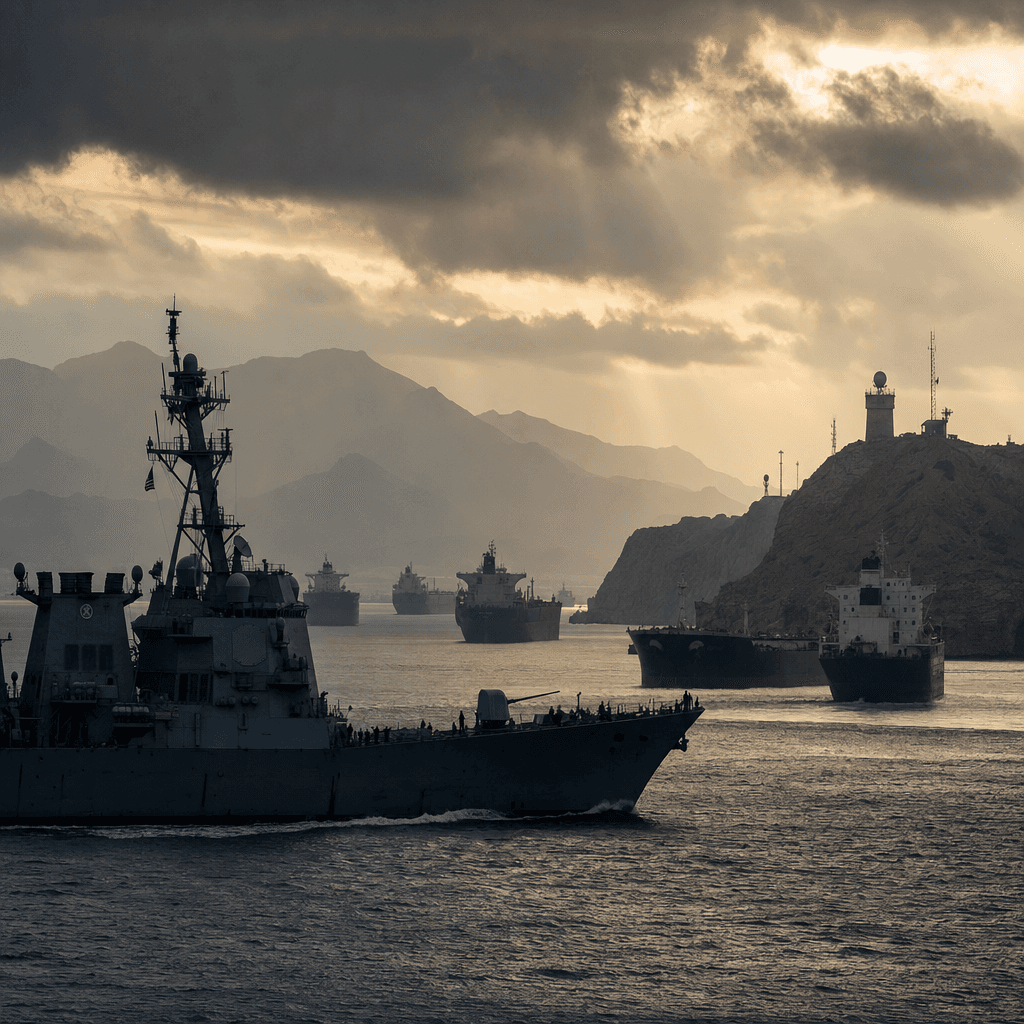
The Gulf Still Has Leverage—If Washington Uses It
Washington can still anchor Gulf security, but only by reopening Hormuz and separating maritime guarantees from its war with Iran.
The power dynamic is simple: Iran has turned the Strait of Hormuz into leverage, and Gulf capitals are pressing Washington to answer with real security guarantees, not rhetoric. Foreign Affairs argues that the U.S. still has the chance to salvage its position in the Gulf by restoring freedom of navigation and rebuilding an economic partnership that includes aviation, energy, infrastructure, AI, and quantum computing (Foreign Affairs). Reuters reports that Iran has effectively throttled the waterway since the war began, while President Donald Trump has pushed a blockade and warned that ships challenging it would be “eliminated” (
Reuters;
Reuters).
Washington’s credibility problem
The Gulf’s complaint is not abstract. It is that U.S. security promises did not prevent Iranian missile and drone attacks on bases, airports, refineries, and data centers, while Washington’s war strategy dragged the region into the costs of escalation. Foreign Affairs says strategists in every Gulf state are now arguing to downgrade ties with the United States because American commitments failed to deter Iran and because Washington is handling the peace track in ways that leave Gulf interests exposed (Foreign Affairs). That is the core political injury: not that the U.S. is absent, but that it is present on terms that look unreliable.
Why Hormuz is the test
The Strait of Hormuz is where this contest becomes material. Reuters says Iran has tried to make passage too risky or too expensive, using threats, mines, and tolls to preserve bargaining power and keep energy markets under pressure (Reuters). Foreign Affairs’ answer is blunt: if Washington can’t reopen the strait, it loses the chance to rebuild its Gulf role; if it can, it can turn Gulf dependence on safe shipping into renewed strategic influence (
Foreign Affairs). That is why the current diplomatic push matters more than the military one. The issue is not just transit. It is who writes the rules for the region’s economy.
The immediate beneficiaries of a stable corridor are the Gulf’s exporters, global shippers, and U.S. firms with capital at risk in the region. The losers are Iran’s hardliners, who gain less if tolls disappear, and any U.S. strategy that treats Gulf security as secondary to pressure on Tehran. For a broader frame on regional alignment, see Global Politics.
What to watch next
The next decision point is the UN track. Al Jazeera reports that the United States and Gulf states are pushing a Security Council resolution that would threaten Iran with sanctions unless it stops attacks on shipping, removes mines, and ends “illegal tolls,” while Qatar, Bahrain, and the UAE are publicly demanding that the strait be reopened and kept fully open (Al Jazeera). That vote will show whether Washington can assemble a coalition broad enough to police the waterway without turning the mission into an extension of the war.
The real test is not whether the U.S. can coerce Iran once more. It is whether it can give Gulf states a security framework they can live with after the war. If it cannot, they will keep hedging—toward China, toward Europe, and toward more autonomous Gulf defense planning. If it can, Washington still has a shot at keeping the Gulf inside its orbit, not just its problem set.
Discover more
Global
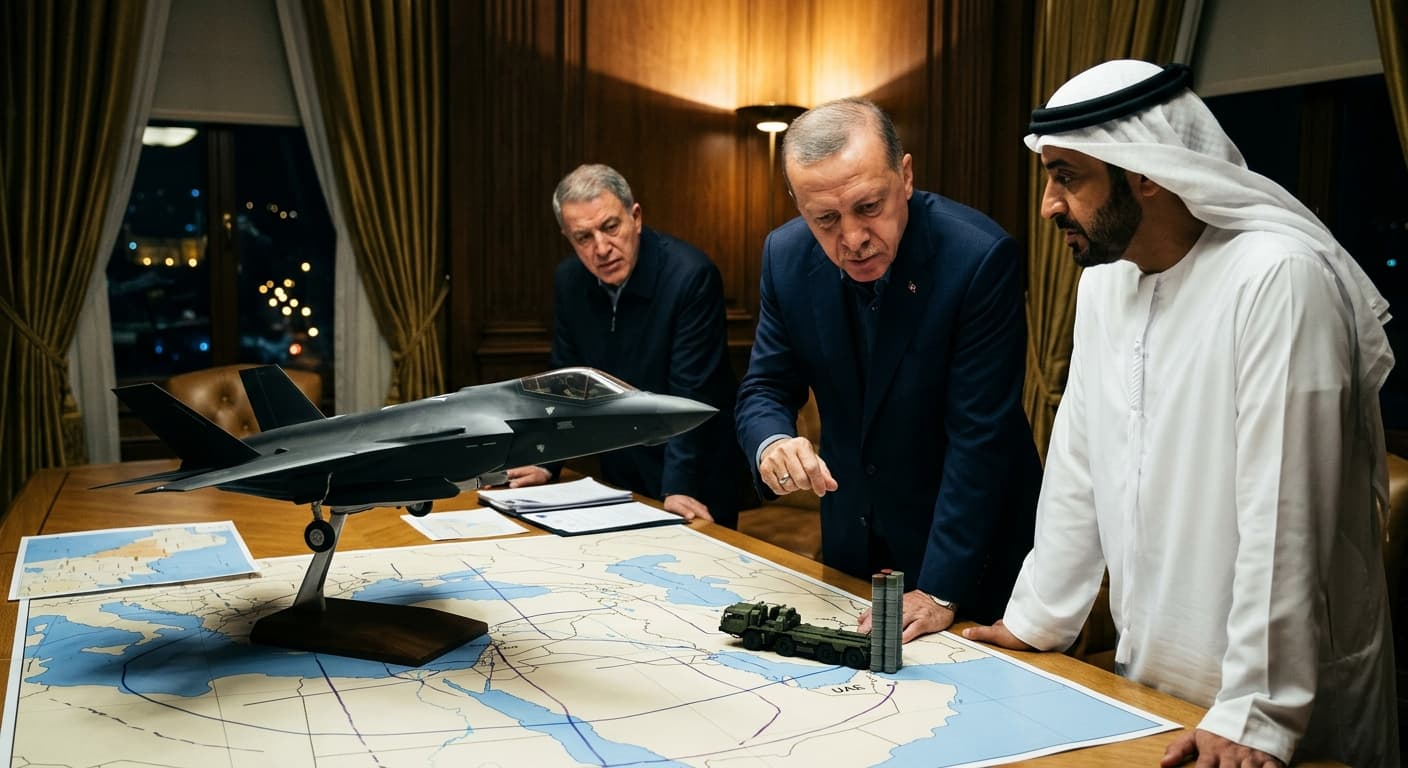
Turkey's S-400 gambit to rejoin the F-35
Turkey proposes transferring its Russian S-400 to the UAE, aiming to remove the main obstacle to its return to the F-35 program amid a Gulf interceptor shortage.

Conflict & Security
Drone Warfare Killing Aid Workers at Unprec
Over 1,000 humanitarian workers killed in three years as cheap armed drones collapse legal protections. Gaza, Sudan, Ukraine, and DRC see deliberate targeting of aid convoys and hospitals with zero prosecutions.

Global
World Normalises Taliban as Afghan Women Eras
UN data shows Afghan women erased from public life as Russia recognises the Taliban, EU hosts officials in Brussels, and ICC warrants for gender persecution go unenforced.
Conflict & Security
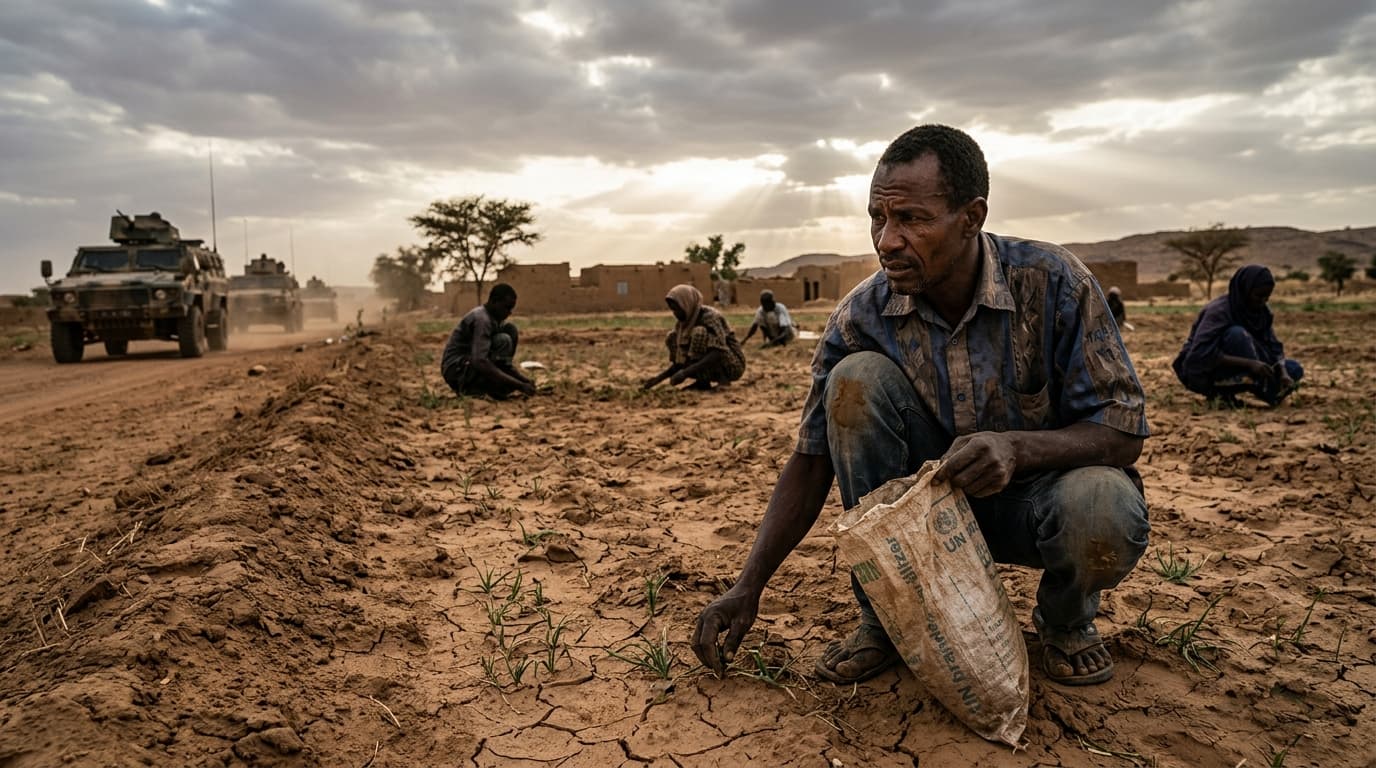
West Africa Food Crisis: Three Shocks in 2026
Conflict, climate extremes, and the Strait of Hormuz closure drive a severe food crisis in West and Central Africa, with fertilizer prices surging 80% and millions displaced.