Alabama GOP Pushes for New House Map Primar
GOP aims for a quick seat grab amid court rulings.
Model Diplomat3 min readNorth America
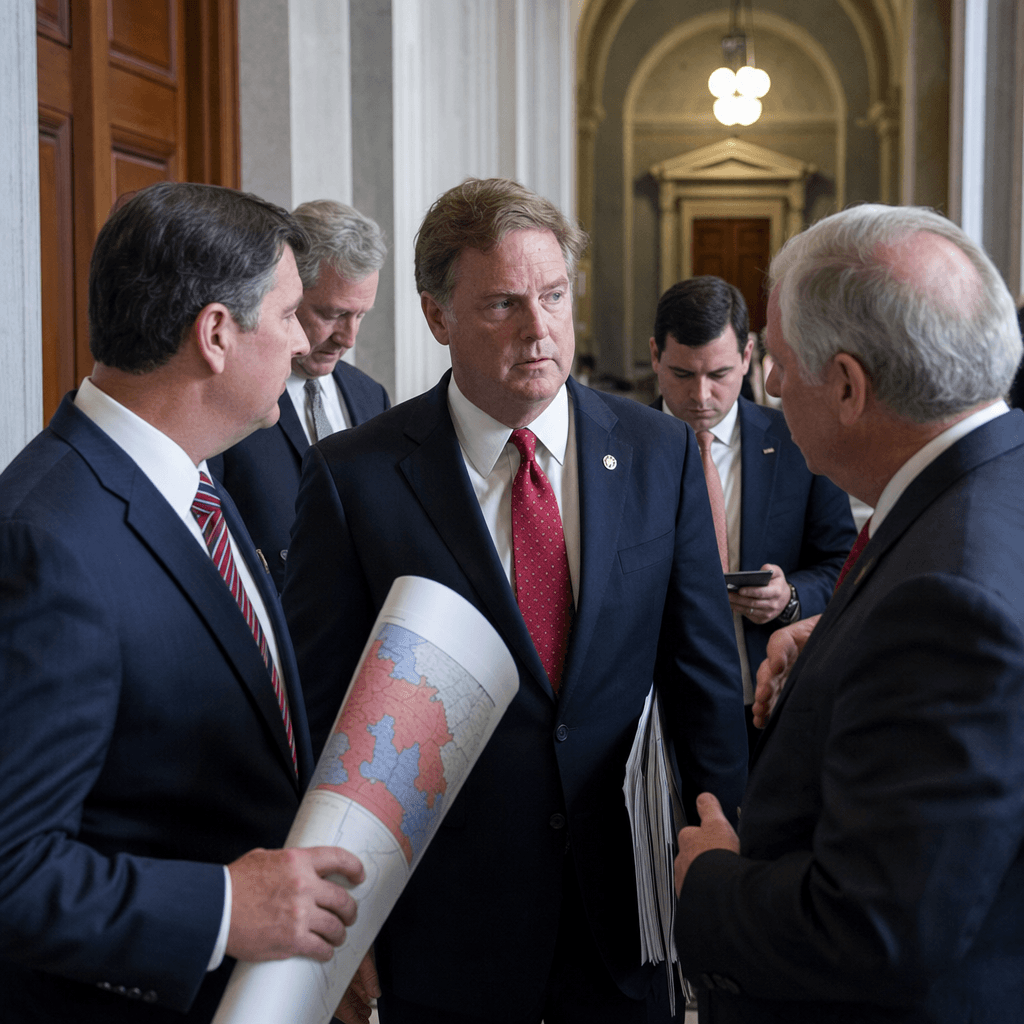
Alabama Bets the Courts Will Reopen Its House Map
Montgomery is trying to turn the Louisiana ruling into a fast GOP seat grab, but the plan only works if courts clear the old injunction before the May 19 primary.
Alabama Republicans are moving first because they think the courts may have reopened the game. On Friday, lawmakers approved legislation to let Gov. Kay Ivey schedule new primaries for congressional seats if judges allow the state to replace the court-imposed map now in force, according to The Hill and the
Associated Press via WSFA. The bill would let the state ignore the May 19 primary in affected districts and rerun those contests under a revised map if the injunction is lifted, AP reported.
The power move
This is not a procedural cleanup; it is a seat-counting strategy. Alabama is asking the Supreme Court to clear the way for the 2023 GOP-drawn map, which a federal court previously rejected because it failed to create a second district where Black voters could elect their preferred candidate, The Hill reported. That earlier ruling produced the district that elected Democratic Rep. Shomari Figures in 2024, and Republicans want a second shot at that seat if they can restore the old lines, AP said. In plain terms: Republicans are trying to convert a legal opening into an immediate political gain.
The leverage comes from timing. If the Supreme Court acts quickly, the state can reset its calendar and force a new primary before November. If it does not, the bill is effectively dead for 2026, because the AP reported the legislation has no effect unless the injunction is lifted. That makes the court — not the legislature — the real gatekeeper.
Why this matters beyond Alabama
Alabama is part of a broader Southern scramble that started after the Supreme Court’s Louisiana ruling weakened Voting Rights Act protections for minority districts, according to CNN and the AP. Louisiana delayed its House primaries, Tennessee enacted a new map, and South Carolina Republicans began floating changes of their own, AP reported via WSFA. The immediate beneficiaries are state Republican parties and the national GOP, which could squeeze out one or more additional House seats in a closely divided chamber.
The losers are more specific: Black voters in districts that were created or preserved under earlier court orders, and Democrats who are defending seats that exist only because federal judges forced new maps. Alabama currently sends five Republicans and two Democrats to the House, CNN reported, and the new map could help Republicans try to erase one of those Democratic seats. For US Politics, this is the key signal: redistricting has moved from a once-a-decade census exercise to a midterm weapon.
There is also a second-order effect. If Alabama gets a green light, other Republican-led states will read it as confirmation that the Supreme Court’s Louisiana decision has created room for more aggressive mid-decade redistricting. That would deepen the party’s effort to reshape the House map before voters cast ballots in November.
What to watch next
The next decision point is the Supreme Court’s response to Alabama’s emergency request to lift the injunction and let the 2023 map take effect, The Hill reported. If the Court moves quickly, Ivey can call new primaries and reopen candidate filing; if it does not, the current map stays in place through the 2026 cycle. The date that matters is still May 19: once that primary passes, the cost and chaos of a redo rise fast, and Alabama’s gambit gets much harder to execute.
Discover more

US Politics
Alabama GOP Map Blocked by Federal Court
A federal court blocked Alabama's new GOP congressional map, preserving Black voter representation and reigniting the long redistricting fight over voting.
US Politics
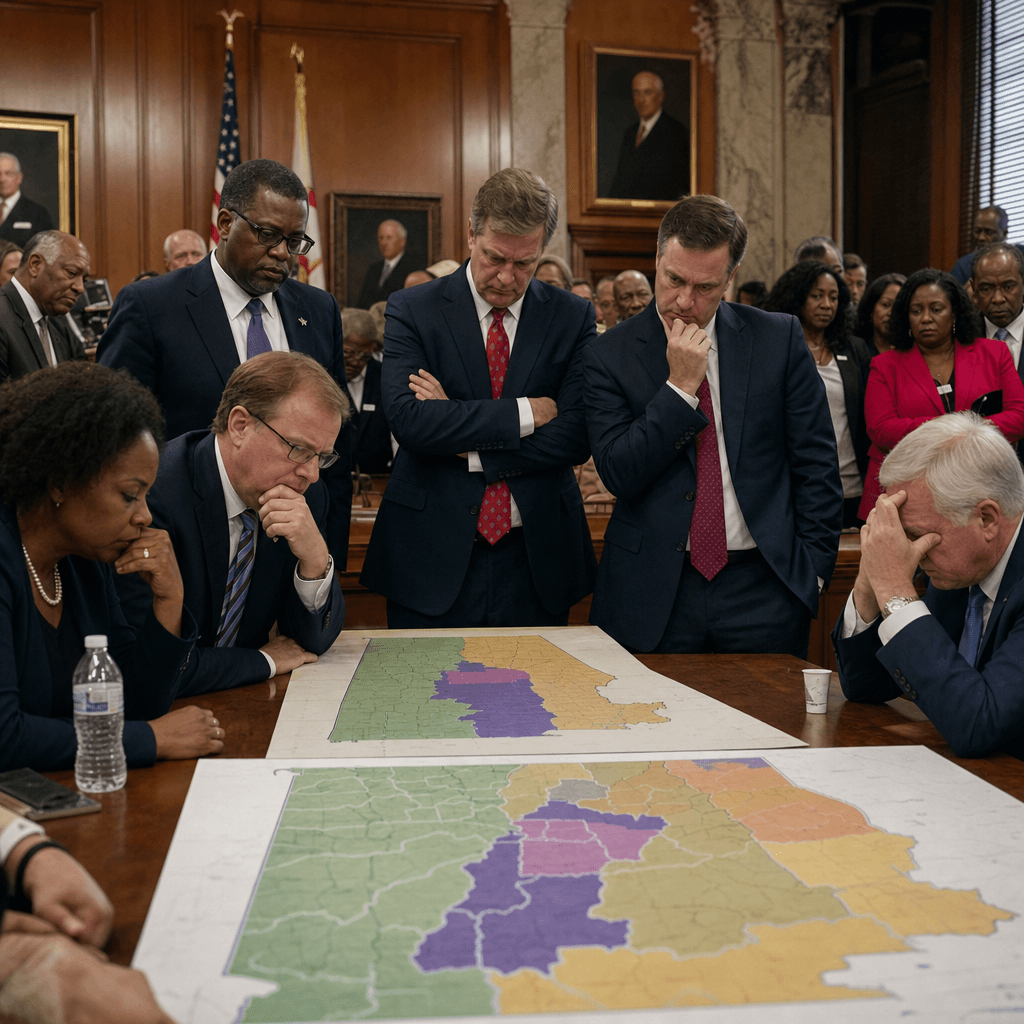
Alabama Redistricting Ruling Blunts GOP
An Alabama redistricting ruling preserves a second Black-majority district, blunting GOP map plans and reshaping voting rights stakes heading into the midterms.

Conflict & Security
Drone Warfare Killing Aid Workers at Unprec
Over 1,000 humanitarian workers killed in three years as cheap armed drones collapse legal protections. Gaza, Sudan, Ukraine, and DRC see deliberate targeting of aid convoys and hospitals with zero prosecutions.

Global
World Normalises Taliban as Afghan Women Eras
UN data shows Afghan women erased from public life as Russia recognises the Taliban, EU hosts officials in Brussels, and ICC warrants for gender persecution go unenforced.