Trump's Love Tap Strategy in Iran Tensions
Exploring Trump's tactics and Iran's strategic response.
Model Diplomat3 min readMiddle East
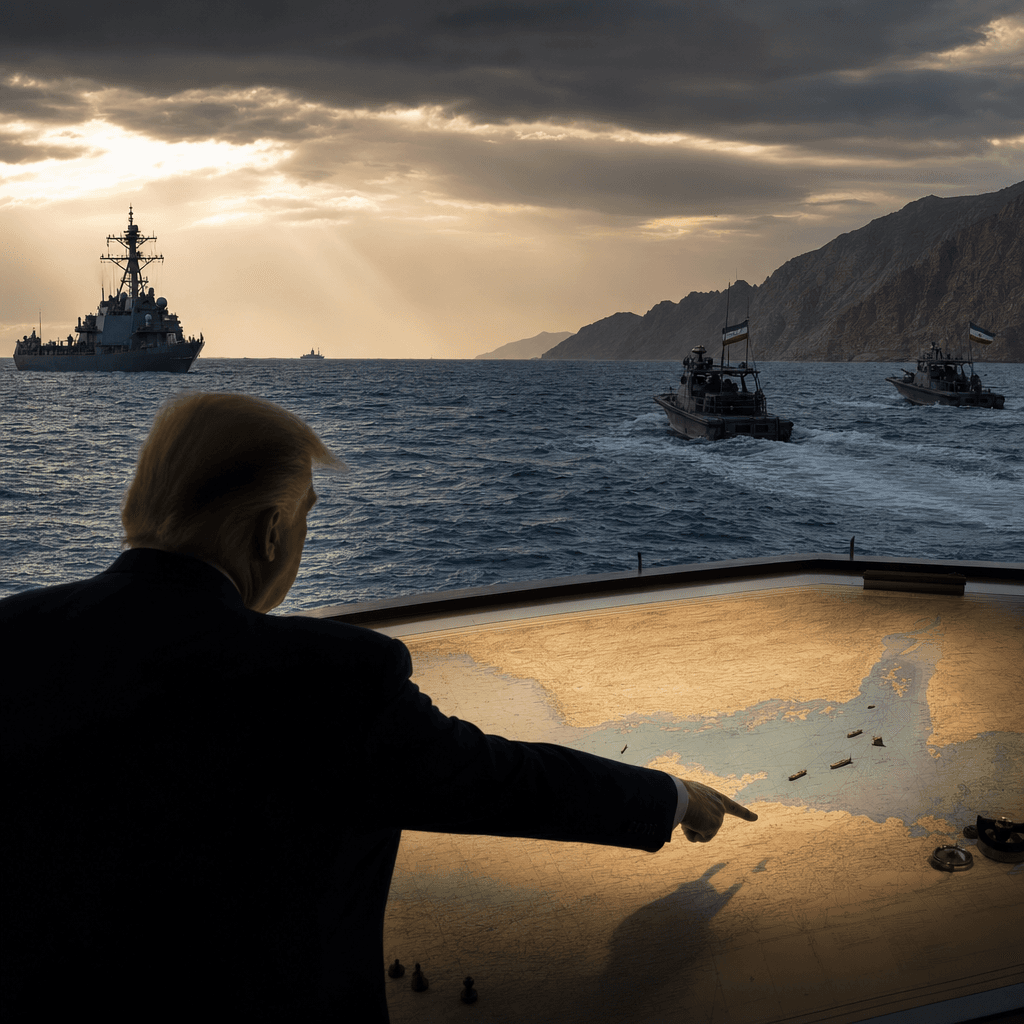
Trump’s ‘Love Tap’ Masks a Leverage Battle Over Iran
Trump is mixing threats and swagger to pressure Tehran, but Iran still holds the Strait of Hormuz and a veto over any deal.
Trump’s call for new strikes on Iran a “love tap” is less about the blast than the message: Washington wants Tehran to read the next U.S. move as controlled escalation, not drift. CNN reported the comment as the White House waited for Iran’s reply to a U.S. proposal, while Trump also signaled that more bombing remains on the table if talks fail (CNN). The real power contest is not rhetorical. It is over who can impose costs faster — and who blinks first.
Why Trump’s posture matters
Trump is trying to do two things at once: keep pressure on Tehran and keep the door open to a deal. The Associated Press reported that Iran is reviewing a U.S. proposal while Trump threatened “a new wave of bombing” if no agreement is reached. AP also said the deal under discussion would reportedly pair a moratorium on Iranian uranium enrichment with sanctions relief, access to frozen funds, and reopening the Strait of Hormuz. That is the bargain Trump is offering: surrender core leverage in exchange for relief and an end to the shooting.
That structure tells you where Washington thinks it has leverage — air power, sanctions, and blockade pressure — but also where it does not. Iran does not need to match U.S. firepower to make the settlement painful. It only needs to keep shipping disruption alive long enough to raise the cost of Trump’s campaign at home and abroad. For Global Politics readers, this is the classic coercion trap: the stronger side can keep escalating, but the weaker side can still deny a clean victory.
Iran’s counterweight is economic, not military
The Strait of Hormuz is the decisive lever. Reuters, in reporting carried by Al Jazeera, said the earlier Iranian proposal was explicitly aimed at reopening the waterway, and that Trump viewed postponing nuclear talks as weakening U.S. leverage. That framing is important: Tehran has turned a maritime chokepoint into bargaining power. Even if U.S. strikes damage Iranian infrastructure, Iran can still inflict broader pain by keeping oil and shipping uncertain.
That is why the diplomatic process matters as much as the military one. AP said Trump has already paused a short-lived U.S. operation to force open safe passage for commercial ships, and that only a small number of merchant ships have moved through the route so far (Associated Press). In other words, Washington can announce momentum, but it has not yet restored normal shipping. Iran benefits from that ambiguity. So do energy traders; so does Beijing, which is now leaning on a diplomatic pause to protect its own interests, according to AP.
What to watch next
The next decision point is Iran’s response, transmitted through Pakistani mediators, and whether Trump turns “love tap” into a sustained strike threat or a bargaining prop. Watch for two things: whether Tehran accepts any language on enrichment and whether Washington softens its public line on the Strait of Hormuz. If neither side moves, the market signal will come first — oil, shipping insurance, and then the politics in United States.
Discover more
Conflict & Security
De la Espriella's Razor Win Resets US-Colomb
De la Espriella's razor-thin election win signals a reset in US-Colombia relations, reshaping security ties and the agenda under a Trump-aligned approach.
International Relations
Colombia's Razor-Thin Rightward Pivot
Colombia swings right as Abelardo de la Espriella narrowly wins the presidential runoff by under one percent, exposing a deeply divided and polarized nation.
Global Politics
Iran Demands US Enforce Ceasefire
Iran insists the United States must enforce a ceasefire in Lebanon to uphold the memorandum of understanding, raising pressure on Washington and Netanyahu.

Conflict & Security
Trump's Iran Deal Faces Bipartisan Backlash
Trump's Iran deal draws fierce criticism from both Republicans and Democrats, exposing deep political divides over the ceasefire and the terms of the agreement.