Solomon Islands Vote Reveals Political Rift
Manele's ouster reveals political instability and foreign stakes.
Model Diplomat2 min readOceania
Solomon Islands Vote Exposes Fractured Coalitions
Jeremiah Manele’s ouster hands the next prime minister a shaky majority and puts China, Australia and local patronage politics back at the center.
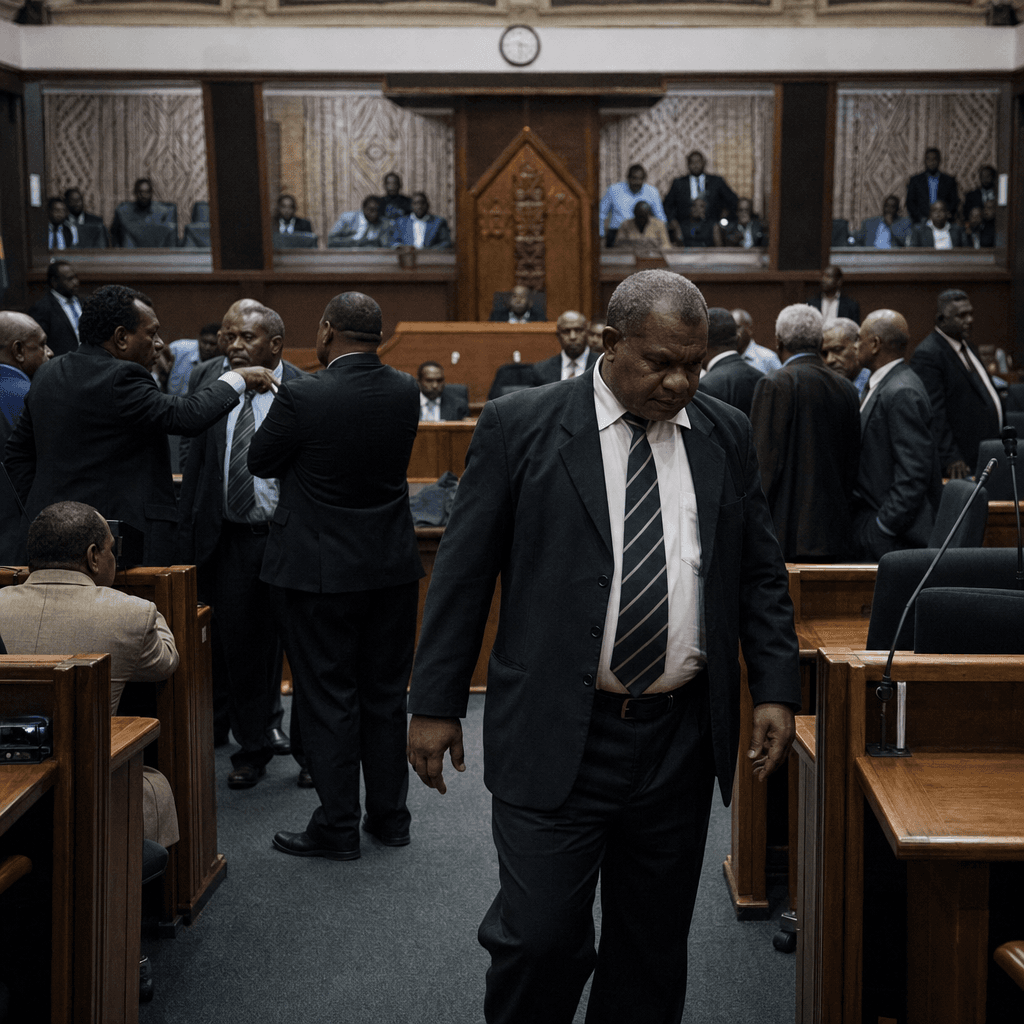
Jeremiah Manele has been forced out as Solomon Islands prime minister after losing a parliamentary no-confidence vote 26-22, with two absences, according to RNZ News and
Reuters via The Straits Times. He stays on in a caretaker role until the governor-general formalizes the change, but the real power shift is already clear: a bloc of defectors has taken control of the numbers, and it wants a new leadership arrangement next week.
The leverage is with the defectors
Manele fell because he lost his parliamentary base, not because of a sudden national crisis. RNZ News says the break began in March, when members of his governing coalition walked away and formed a 28-MP opposition bloc in the 50-seat house, leaving him exposed.
ABC News reports the split was framed publicly around corruption allegations and “weak and indecisive leadership,” but the underlying issue was control of the coalition machine.
That matters because Solomon Islands politics is driven less by ideology than by access: to ministerial posts, district spending, and coalition arithmetic. Once a prime minister loses enough MPs, the rest is procedural theater. The winner is the group that can assemble the next majority fast enough to claim legitimacy before the coalition frays again.
Beijing, Canberra and Washington all have a stake
Manele’s exit will be read abroad through the China lens. Reuters via The Straits Times notes that Solomon Islands has become strategically important because of its deepening ties with Beijing, including the 2022 security pact that alarmed Australia and the
United States. Manele himself was seen as steadier than the more openly China-friendly political figures who dominated the Sogavare era, but his government still became vulnerable once domestic grievances turned into a leadership revolt.
For Canberra, the immediate concern is not a policy reversal in Honiara but instability. ABC News says about 1,000 police were deployed in the capital as a precaution, a reminder that previous confidence votes have triggered unrest. That makes this a
Global Politics story with a hard security edge: whoever wins next week inherits not just a premiership, but the burden of keeping the streets calm while signaling to external partners that the country is still governable.
What to watch next
The next decision point is the parliamentary vote expected next week. ABC News says likely contenders include opposition leader Matthew Wale and former foreign minister Peter Shanel Agovaka, who crossed over to support the motion. If Wale wins, expect a reset in cabinet bargaining; if Agovaka emerges, it will signal that defectors are still more interested in controlling patronage than in building a durable governing line.
Watch the governor-general’s formal removal of Manele, the coalition count after the vote, and whether the new leadership can hold together long enough to survive its first test in parliament.
Discover more
India
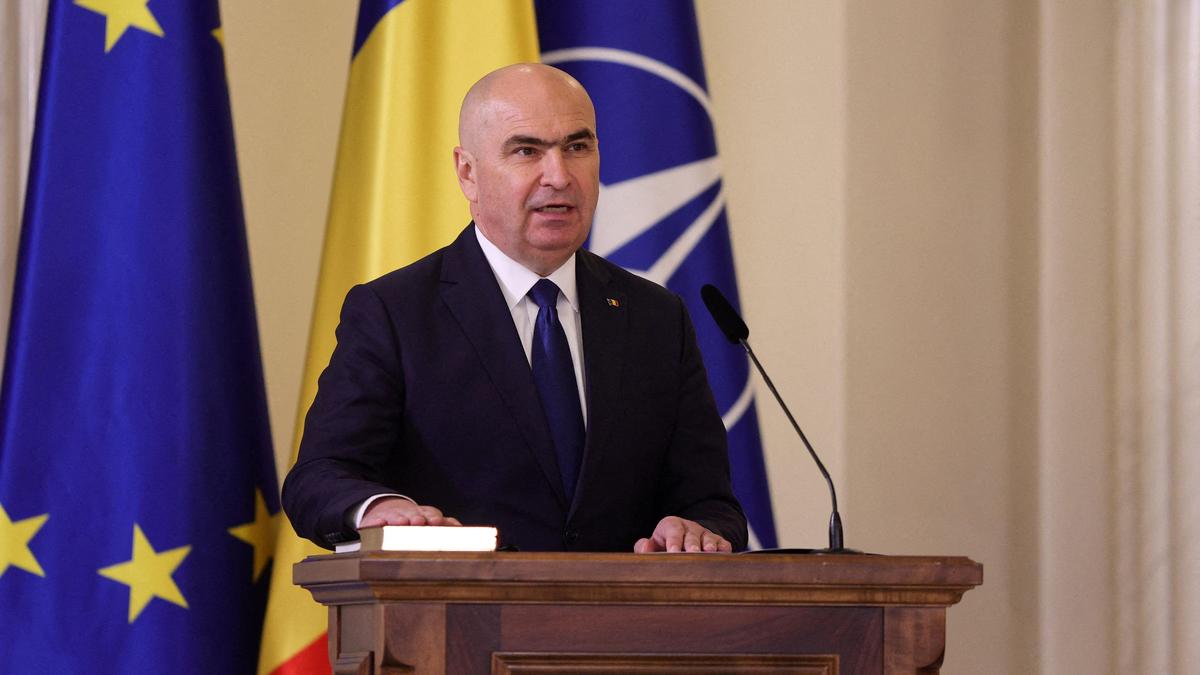
Romanian Coalition Party Demands PM Resign
Romania's Social Democrats withdrew from coalition, joining far-right AUR to topple PM Bolojan, risking €10 billion in EU funds by August 2026.

Conflict & Security
Drone Warfare Killing Aid Workers at Unprec
Over 1,000 humanitarian workers killed in three years as cheap armed drones collapse legal protections. Gaza, Sudan, Ukraine, and DRC see deliberate targeting of aid convoys and hospitals with zero prosecutions.

Global
World Normalises Taliban as Afghan Women Eras
UN data shows Afghan women erased from public life as Russia recognises the Taliban, EU hosts officials in Brussels, and ICC warrants for gender persecution go unenforced.
Conflict & Security
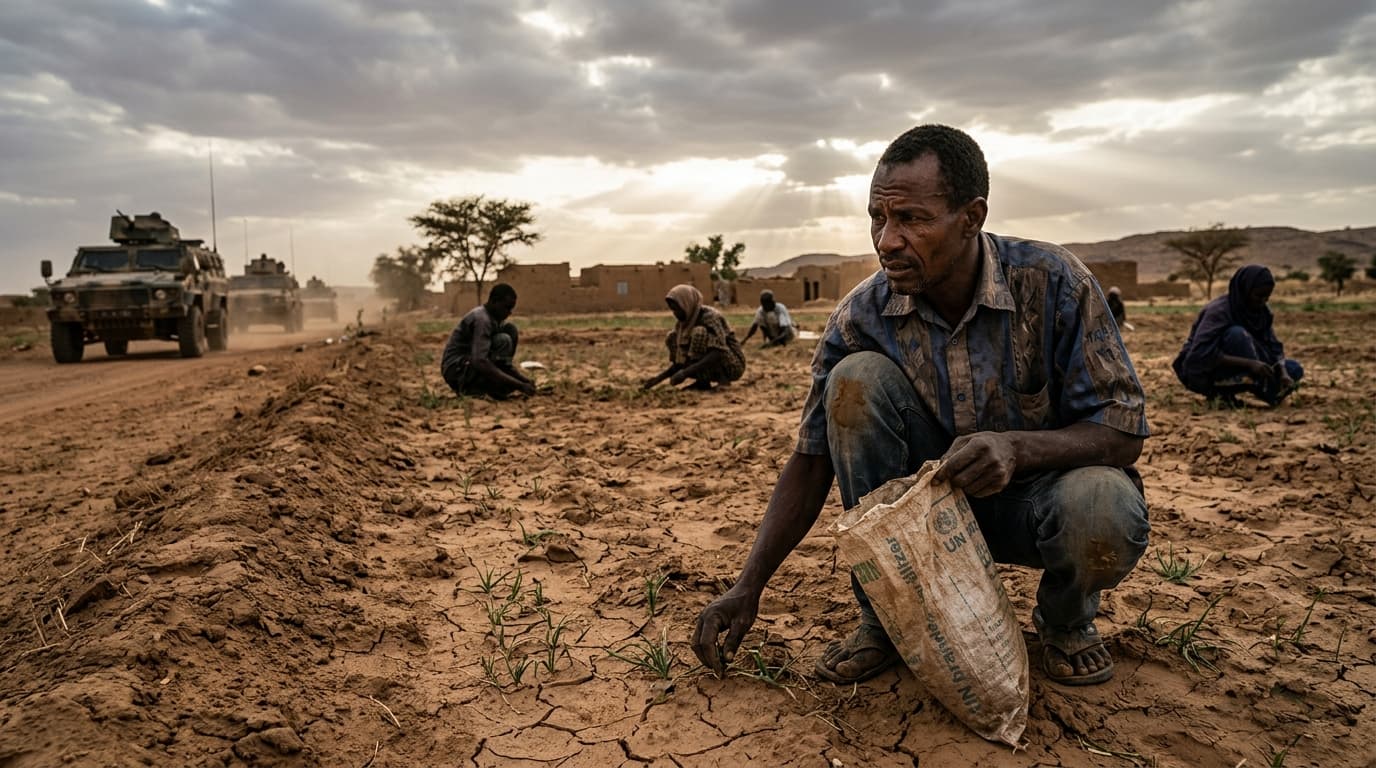
West Africa Food Crisis: Three Shocks in 2026
Conflict, climate extremes, and the Strait of Hormuz closure drive a severe food crisis in West and Central Africa, with fertilizer prices surging 80% and millions displaced.