Modi's Government Faces Setback
The rejection of a key amendment bill opens democratic debate.
Model Diplomat3 min readIndia
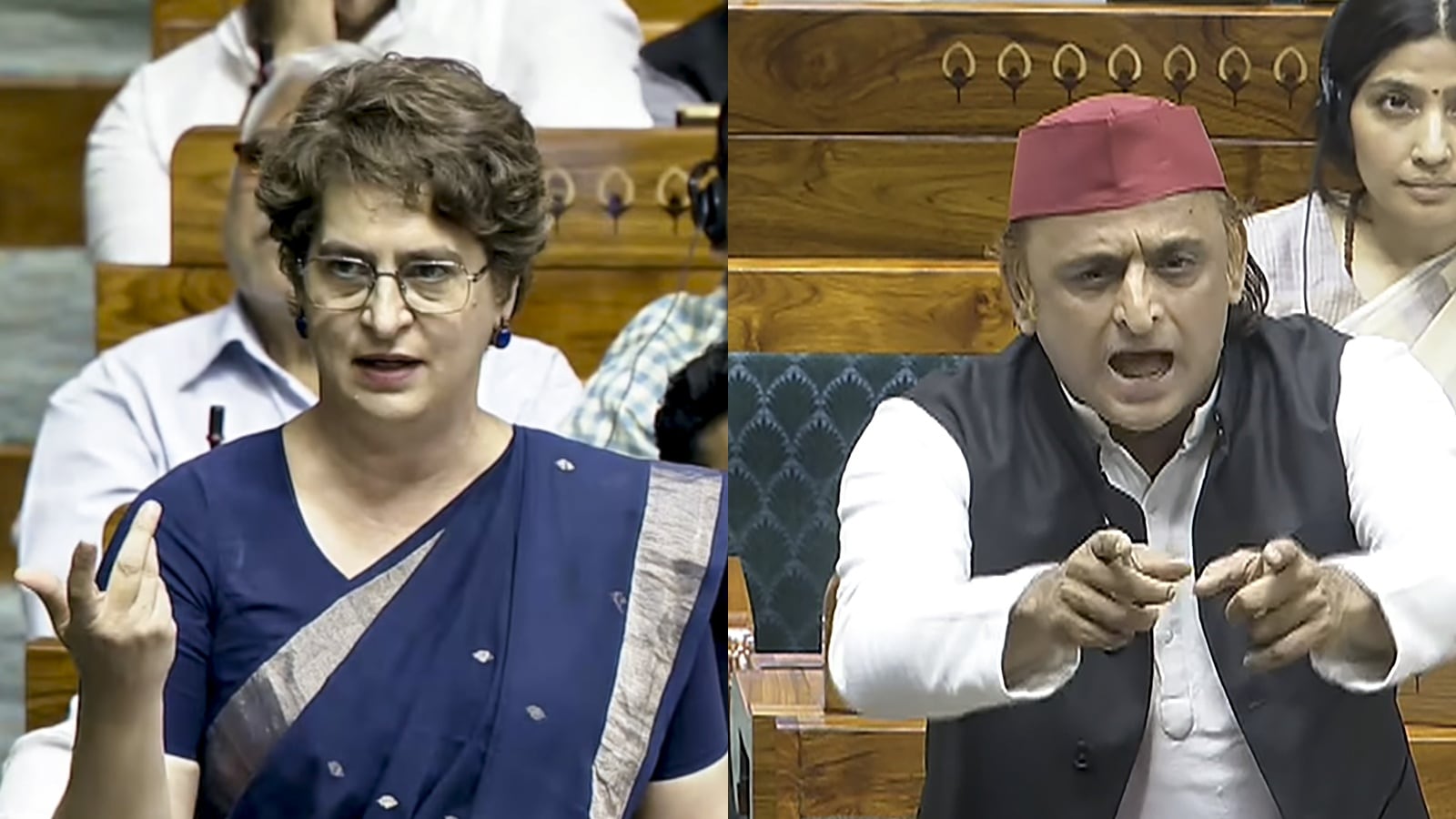
A political setback for Modi’s government, a democratic opening for India’s opposition
The defeat of the Constitution (One Hundred and Thirty-First Amendment) Bill, 2026 marks a rare loss for Narendra Modi’s government, offering a chance for a more open democratic debate.
The Indian Parliament recently rejected the Constitution (One Hundred and Thirty-First Amendment) Bill, 2026—the government’s attempt to roll out a key constitutional reform. This defeat is significant because it disrupts Narendra Modi’s carefully choreographed legislative agenda and signals deeper democratic fissures within India’s ruling coalition.
Why the bill mattered—and why it failed
The bill was framed as a major policy advance by the Modi administration, aiming to tweak constitutional provisions related to state and federal powers. While the government pitched it as a necessary reform to foster development and governance, critics saw it as an authoritarian overreach—part of a broader push Modi and the Bharatiya Janata Party (BJP) have pursued since 2014.
The defeat has been described in sharp terms as a “political setback” for Modi’s government and its “permanent revolution” approach, which seeks to continuously reshape institutions to consolidate power. The opposition capitalized on this opening, emphasizing the need for democratic principles and institutional checks rather than top-down reform.
This episode reflects a rare moment where parliamentary democracy flexed its muscles—lawmakers outside the ruling coalition united to check the government’s dominance. It draws attention to the growing impatience with what critics argue is an erosion of constitutional norms under Modi’s rule.
Broader political implications
This development illustrates that Modi’s grip on Indian politics is not absolute. Since coming to power in 2014, Modi has overseen a sweeping realignment of India’s political landscape—pushing BJP’s agenda through major legislative changes, often sidelining opposition voices. The 2026 amendment bill’s rejection punctures the narrative of inevitability around Modi’s reform agenda.
For the opposition, this moment is an opportunity to frame themselves not just as critics but as custodians of constitutional democracy. It revives questions about the balance between governance reforms and protecting democratic safeguards in India’s complex federal setup.
Historically, constitutional amendments in India have been sensitive barometers of majority-minority relations and federal bargaining. This failure echoes past instances—such as the 1975 Emergency period—that tested India’s democratic resilience. It serves as a reminder that majoritarian impulses always face institutional and popular resistance.
What to watch next
Attention now turns to how Modi’s government recalibrates its strategy. Will it seek to reintroduce the amendment with subtle changes or use alternative means to bypass opposition scrutiny? The opposition’s role in parliamentary debates and mobilizing public opinion will be crucial.
This setback may also inspire civil society and judicial actors to renew their vigilance over constitutional processes. The public discourse around democratic norms, institutional autonomy, and federalism is likely to intensify as India approaches its upcoming general elections.
For those tracking Indian politics, this episode is a notable indicator that democratic openings still exist in a landscape often viewed as dominated by a single party. It underscores the continuing tension between reformist ambitions and democratic accountability in one of the world’s largest democracies.
India’s evolving political contest remains a living case study in how democratic institutions endure and adapt under pressure.
For a comprehensive view on India’s political dynamics, see India profile. For broader democratic challenges in the region, see
Global Politics.
Discover more
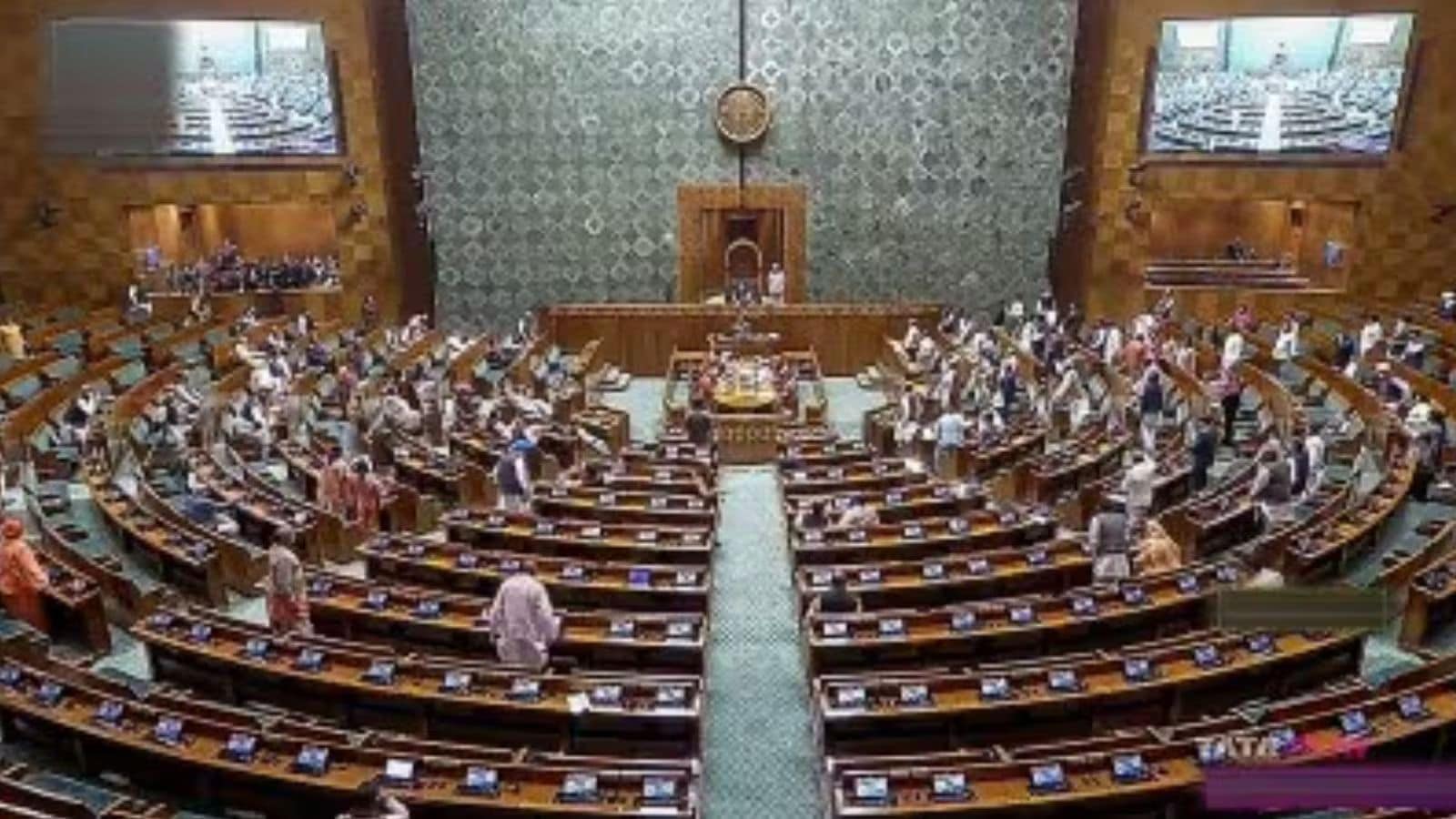
India
Delimitation in India
India's delimitation exposes a deepening struggle between federalism and equal voting power under Modi's centralizing politics and shifting seat allocation.
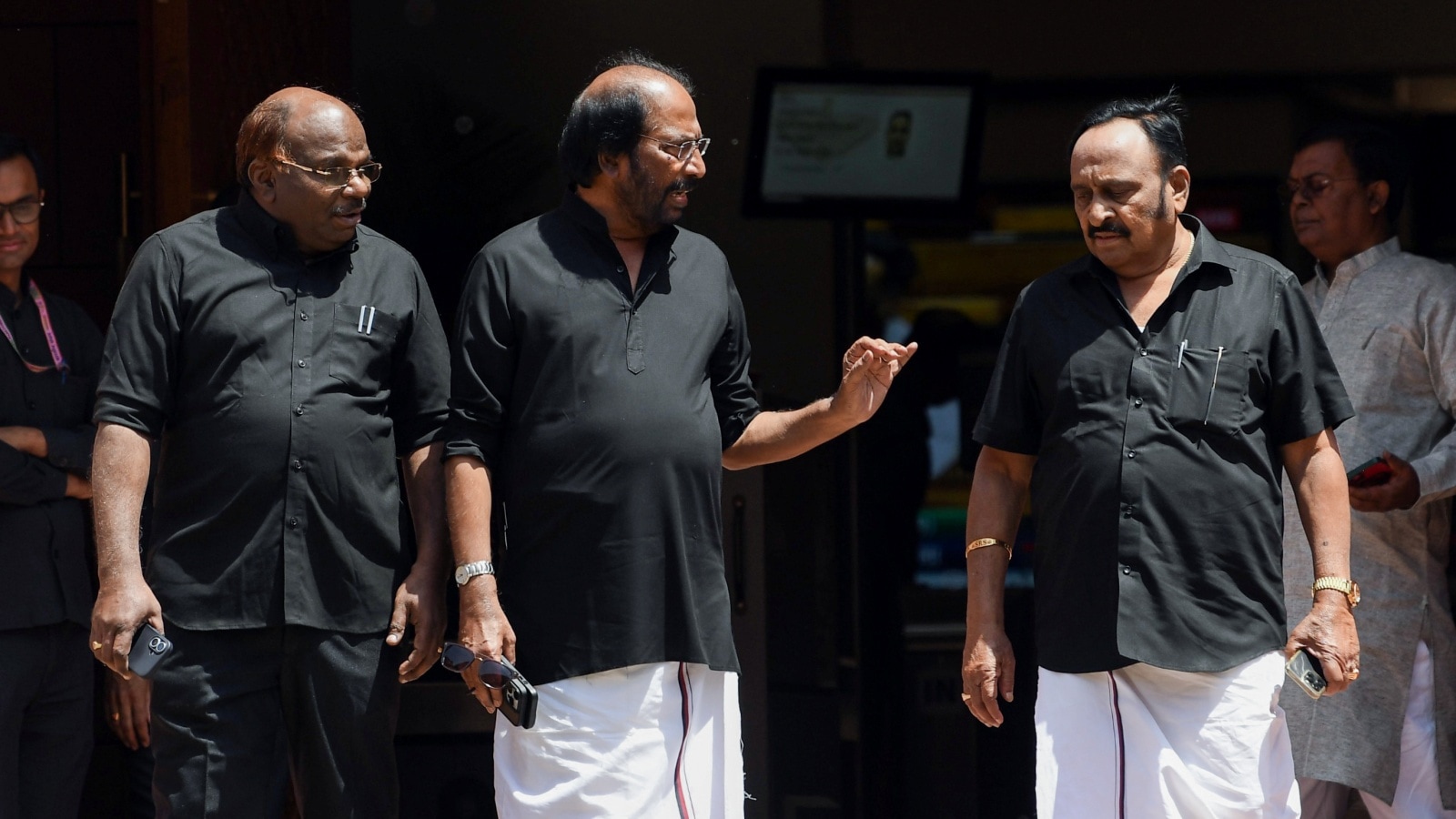
India
Delimitation Bill Controversy
India's Delimitation Bill ignites fierce debate, raising fears over federal representation and shifting the balance of political power among the states sharply.
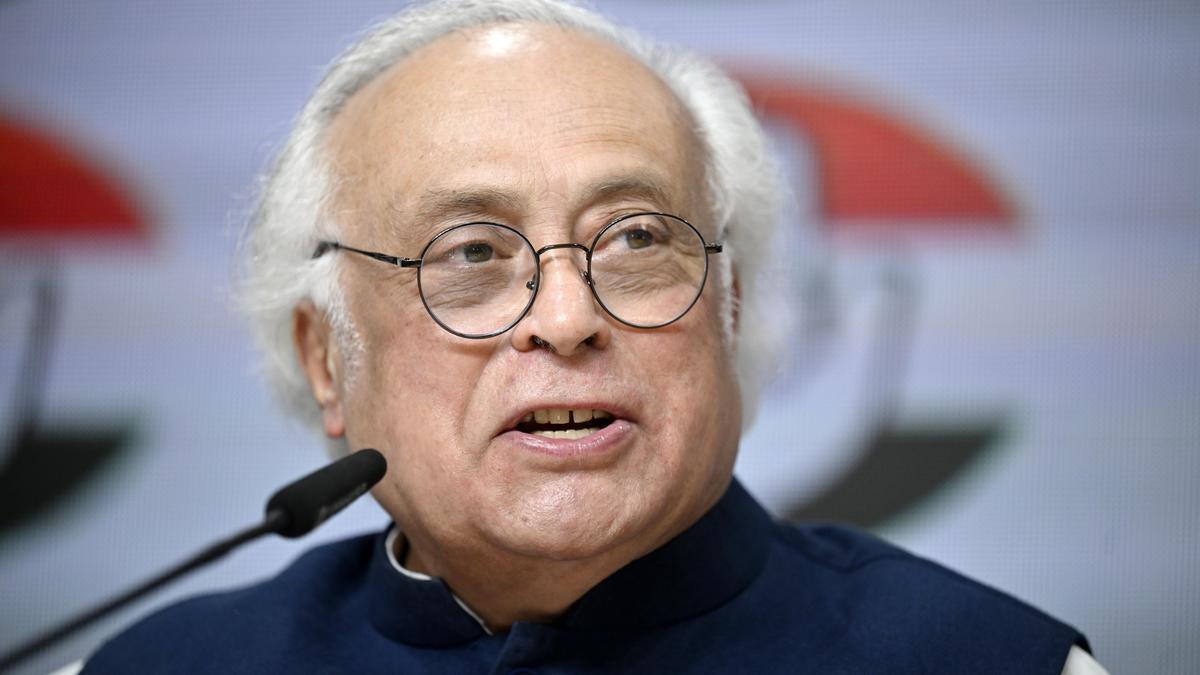
India
Congress Accuses Modi of Delimitation Deceit
Congress accuses Modi's government of deceit over delimitation, charging it skips a caste census and reshapes political dynamics to its favor before elections.

Economics
Fed's Amex AML order puts correspondent banking on notice
Federal Reserve's Amex AML order requires board-level controls and a 90-day plan; OCC fined the bank $350 million over enterprise-wide deficiencies.