India's 2026 Delimitation Bills
Exploring the impact of India's new delimitation legislation
Model Diplomat3 min readIndia
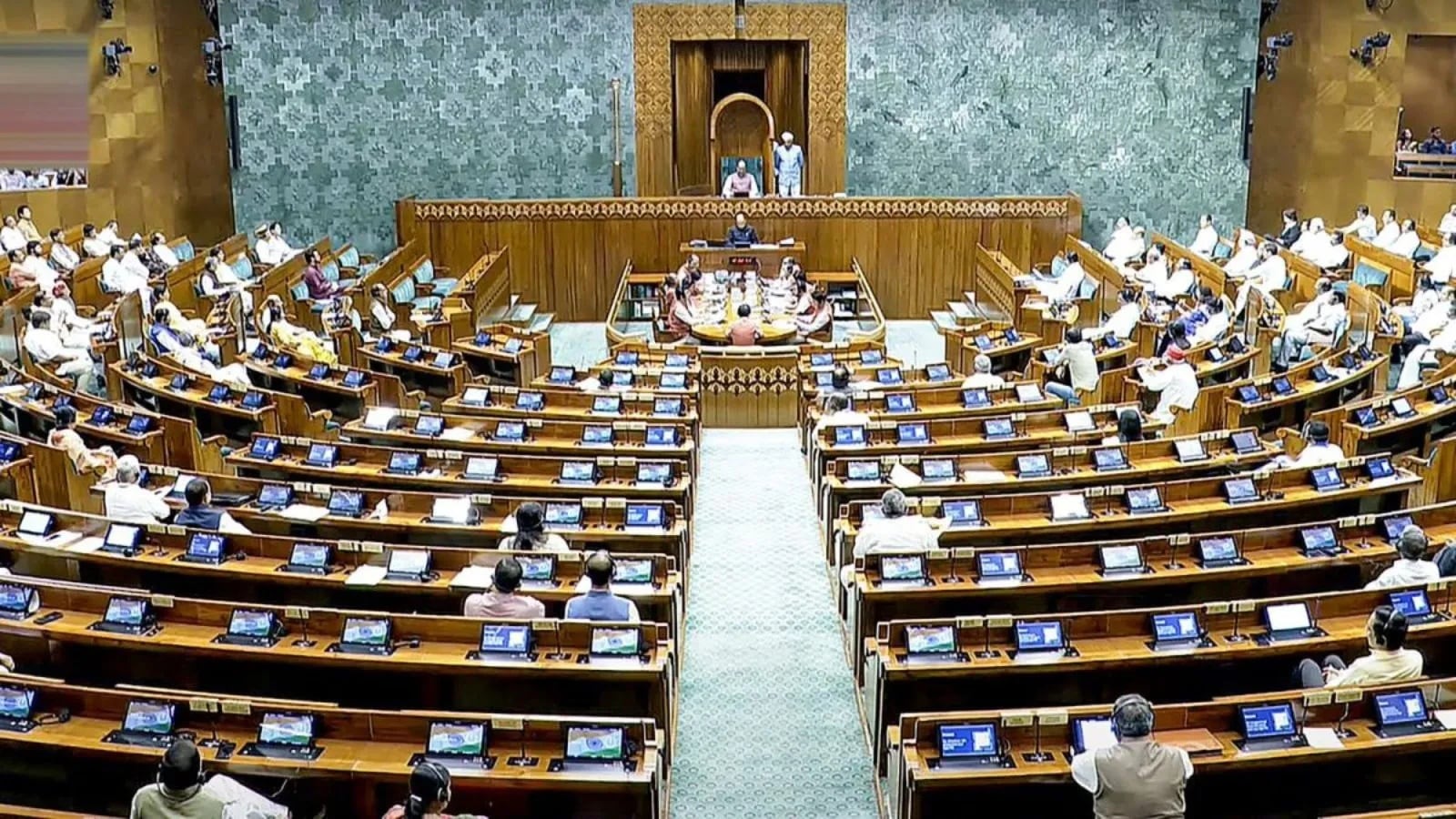
Decoding India’s 2026 Delimitation Bills: What’s Changing and Why It Matters
The government’s new Bills aim to overhaul how India redraws its electoral constituencies—and when. The move, ending the decennial delimitation cycle, has sparked fierce regional pushback.
On April 2026, the Indian government introduced three Bills proposing sweeping changes to the delimitation process—the redrawing of parliamentary and assembly constituencies based on population shifts. The core proposal is to end the constitutional requirement for delimitation every ten years, which has previously guaranteed periodic adjustments reflective of demographic changes. Instead, the Bills seek to fix representation until a new timeline or criteria are set.
This proposal is anchored in a draft of the One Hundred Thirty-First Amendment, which would freeze the delimitation schedule that currently responds to the decennial census. While the Bills ostensibly aim to “rationalize” electoral boundaries and forestall frequent changes, critics see it as setting the stage for political realignments favoring some regions over others.
Why Delimitation Matters in India
Delimitation is a cornerstone of India’s representative democracy, recalibrating seats in the Lok Sabha (lower house of Parliament) and state assemblies to reflect population movements and growth. Since independence, it has been cycled every ten years alongside the national census.
But the current freeze dates back to 1976, when delimitation was suspended to avoid penalizing states that successfully implemented family planning programs. The freeze has been extended repeatedly. Now, with India’s 2021 Census finally processed, political pressure to recur delimitation has risen—though unevenly.
The government’s proposed Bills would formalize the pause, blocking automatic, frequent rebalancing. This essentially locks in existing constituency maps for the foreseeable future—preserving the status quo or strategic advantage in states with slower population growth, often from southern regions. That explains the immediate backlash from states like Tamil Nadu.
Regional Stakes and Political Fallout
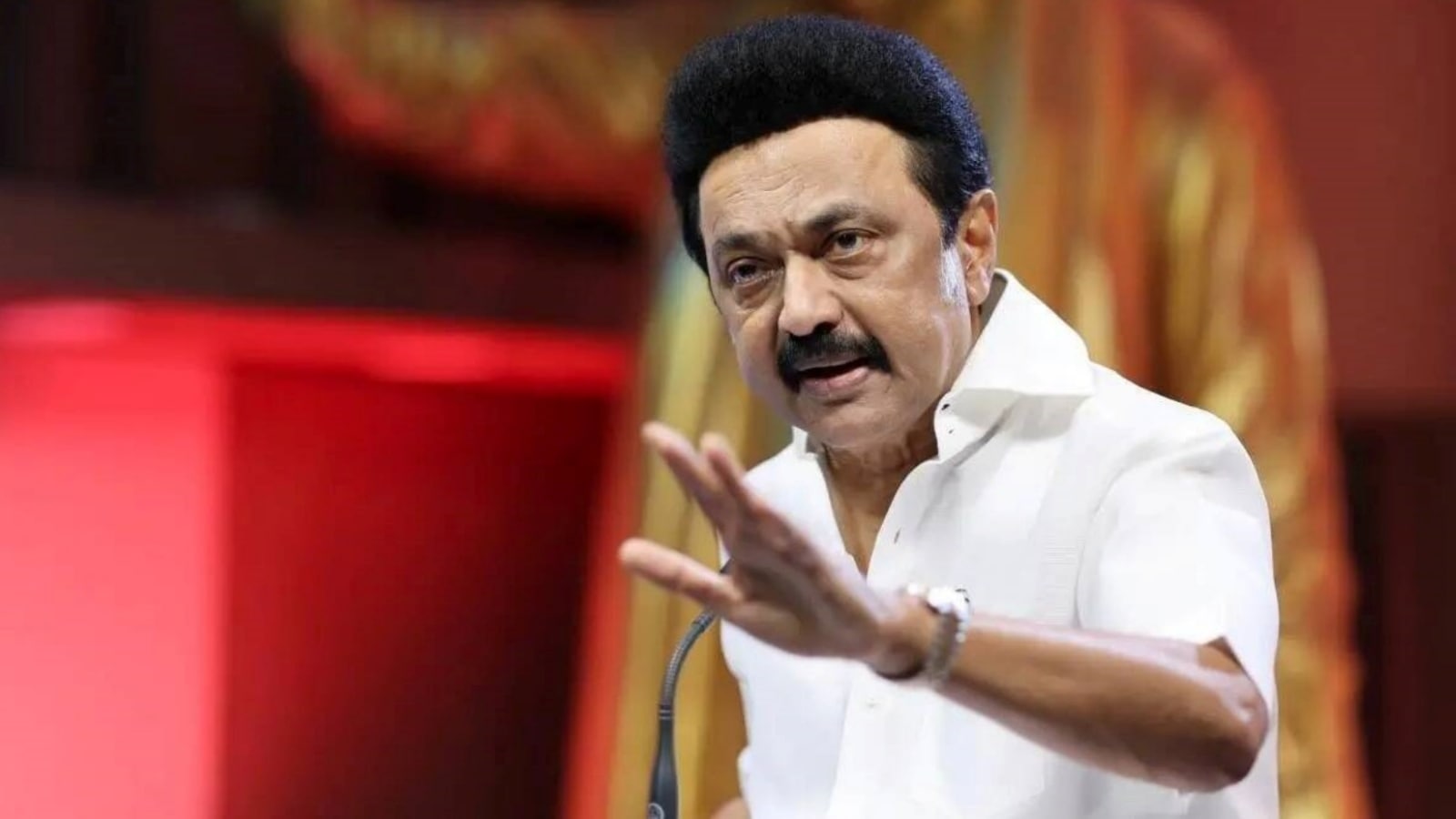
Tamil Nadu’s Chief Minister M.K. Stalin warned of “massive protests” and a statewide shutdown in response to the delimitation Bills. His concern: the re-mapping under the government’s proposed process could lead to loss of seats and political muscle for southern states, while northern and possibly northeastern states might gain at their expense. Stalin’s call to action highlights a broader north-south tussle over electoral power in India’s federal setup.
Such regional pushback reveals why delimitation is never merely bureaucratic. It is inherently political—reshaping the balance of power in Parliament and state assemblies. Parties that dominate states with rising populations, like Uttar Pradesh or Bihar, stand to win more seats; those in states where population growth is slower or stable risk marginalization.
This dynamic recalls the politically fraught delimitation exercise of 2008, which triggered major shifts in seats across states and demanded careful negotiation among parties and state governments.
What to Watch Next
The Bills will face parliamentary debate and likely legal scrutiny. Key points to monitor include:
- Parliamentary response: Will opposition parties unify around regional interests, especially from southern states, to challenge the freeze?
- Judicial challenges: Past delimitation has faced Supreme Court interventions, particularly on constitutional and federal grounds.
- Impact on upcoming elections: With the 2026 assembly elections in multiple states underway, these changes could reshape political calculations, candidate selection, and alliances.
Delimitation touches the essence of India’s democratic representation and federal balance. These Bills are more than administrative reforms—they are a prelude to a recalibration of political power. For a country hosting the world’s largest electorate, that’s always a story worth watching closely.
For more on India’s political landscape, see our India profile and broader
Global Politics.
Sources:
The Indian Express - Decoding delimitation: What the new Bills propose
The Hindu - Stalin warns of massive protests against delimitation
Discover more
India
India's Delimitation Debate
India's delimitation plan stokes federal tensions as leaders warn it threatens fair representation and constitutional norms ahead of upcoming elections.

Economics
Fed's Amex AML order puts correspondent banking on notice
Federal Reserve's Amex AML order requires board-level controls and a 90-day plan; OCC fined the bank $350 million over enterprise-wide deficiencies.
Conflict & Security
Guatemala: El Niño 2026–27 becomes regional security test
UNICEF: 25.8M children face El Niño risks in Latin America; Guatemala maps 188 municipalities for drought and food insecurity amid regional security test.

Economics
Fed's stress-test overhaul is a capital-smoothing exercise
Federal Reserve finalized stress-test overhaul: two-year averaging for bank capital buffers and public input, expected to halve volatility.