Lok Sabha Rejects Women's Reservation Bill
Lok Sabha's vote halts women's reservation in local governance
Model Diplomat3 min readIndia
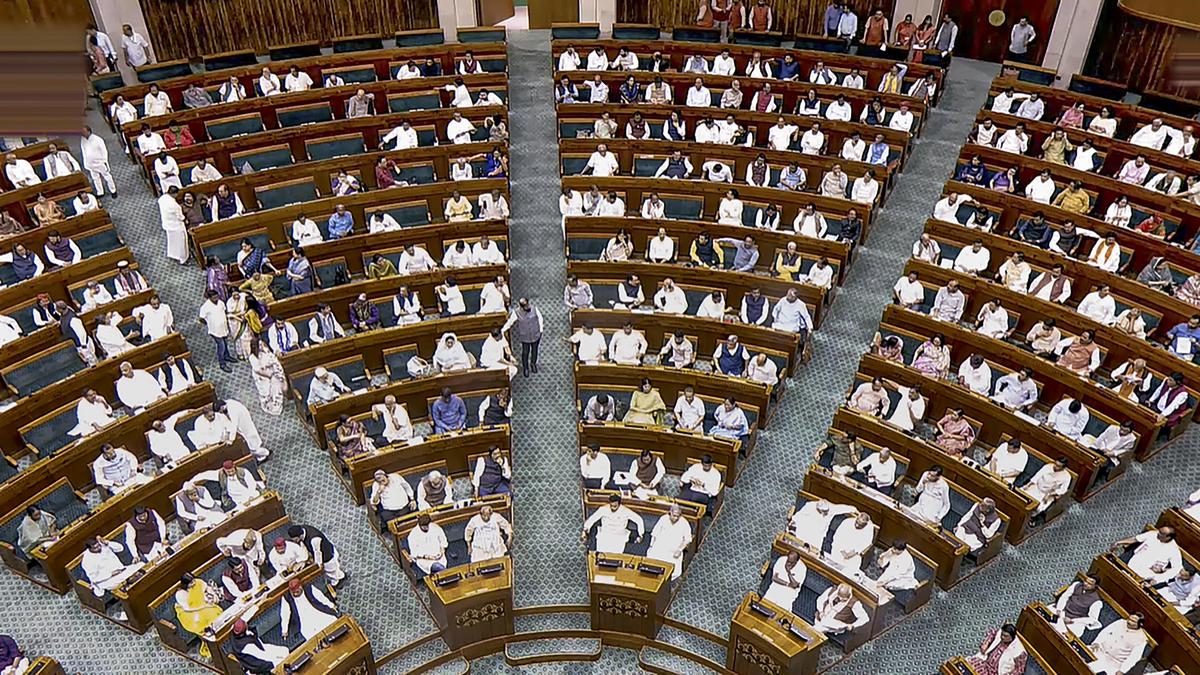
Indian Lok Sabha Rejects 131st Constitution Amendment Bill on Women’s Reservation
The Lok Sabha’s April 16 vote blocks a key step in implementing women's reservation in local governance, exposing coalition fractures and delaying political reforms.
On April 16, 2026, the Indian Lok Sabha voted down the Constitution (131st Amendment) Bill, 2026, which sought to redistribute legislative seats based on the 2011 Census, including a provision to accelerate women’s reservation in local bodies. With 298 votes in favor but 230 opposed — short of the two-thirds majority threshold required for a constitutional amendment — the bill was defeated amid a strenuous debate dominated by the opposition coalition The Hindu.
What Was at Stake?
The bill was tied to a broader delimitation package aimed at realigning political representation with demographic realities recorded in the 2011 Census, an overdue exercise in India’s fast-changing political map. But its headline provision was to fast-track implementation of a women’s quota in local panchayats and municipalities.
Introduced by the government as a critical reform to boost women’s political participation, the bill aimed to allocate one-third of seats to women—a measure that has languished despite Supreme Court encouragement and political promises since 2010. The bill also sought to extend the reservation for Scheduled Castes and Scheduled Tribes in constituencies whose boundaries have shifted due to the delayed delimitation.
Had it passed, this legislation would have shattered a political logjam that has stalled gender-inclusive reforms at the grassroots level for over a decade. The delayed redrawing of seats also impacts the fairness of representation, with some areas now underrepresented due to population changes.
Why Did It Fail?
The bill’s defeat highlights growing opposition unity and strategic resistance against the ruling coalition’s reform agenda. The united opposition bloc—notably regional parties and left-wing factions—coalesced to block what they framed as a government overreach that unfairly shifts political advantage.
Some opposition leaders argued the bill’s linkage of women’s reservation with an outdated census-based delimitation was a political ploy to dilute reservations for marginalized groups or gerrymander constituencies in the ruling coalition’s favor. There was also criticism that the bill circumvented robust debate on electoral reforms by lumping multiple contentious issues together.
Notably, the government’s inability to forge consensus within its heterogeneous coalition weakened the bill’s prospects. The marriage of delimitation with reservation reform, while cohesive in theory, proved a fault line in practice: parties with divergent voter bases and stakes in reserved seats balked at the terms on the table.
Why It Matters
This defeat stalls a critical gender empowerment agenda for at least the next several years. Women’s political representation at the local level has long been a stepping-stone for greater engagement nationally; without this quota, progress risks being incremental at best.
The failure also puts India’s adherence to timely electoral recalibration under the microscope ahead of the next general elections. As demographics shift, so too must political boundaries, to uphold democratic fairness.
Furthermore, the episode underscores the tactical sophistication of India’s opposition coalitions, which can unify around voting blockades even when fragmented ideologically. This signals potential for more intense parliamentary battles ahead around electoral reforms and social justice measures.
What to Watch Next
- How the ruling coalition recalibrates its strategy for women’s reservation—will it propose a standalone bill or seek consensus through dialogue?
- Moves by opposition parties to capitalize on this legislative victory to fortify their narratives before the 2029 general elections.
- The status of future delimitation exercises; whether they will proceed piecemeal or will be indefinitely postponed, impacting political representation balance.
- Potential judicial interventions if the women’s reservation remains stalled, given Supreme Court interest in the issue.
This critical rejection isn’t just a parliamentary accident; it’s a barometer of India’s evolving political fault lines over identity, gender, and electoral fairness—elements that will shape its democracy in the years to come.
For further reading on India’s political landscape and reform hurdles, see India and
Global Politics.
Discover more
India
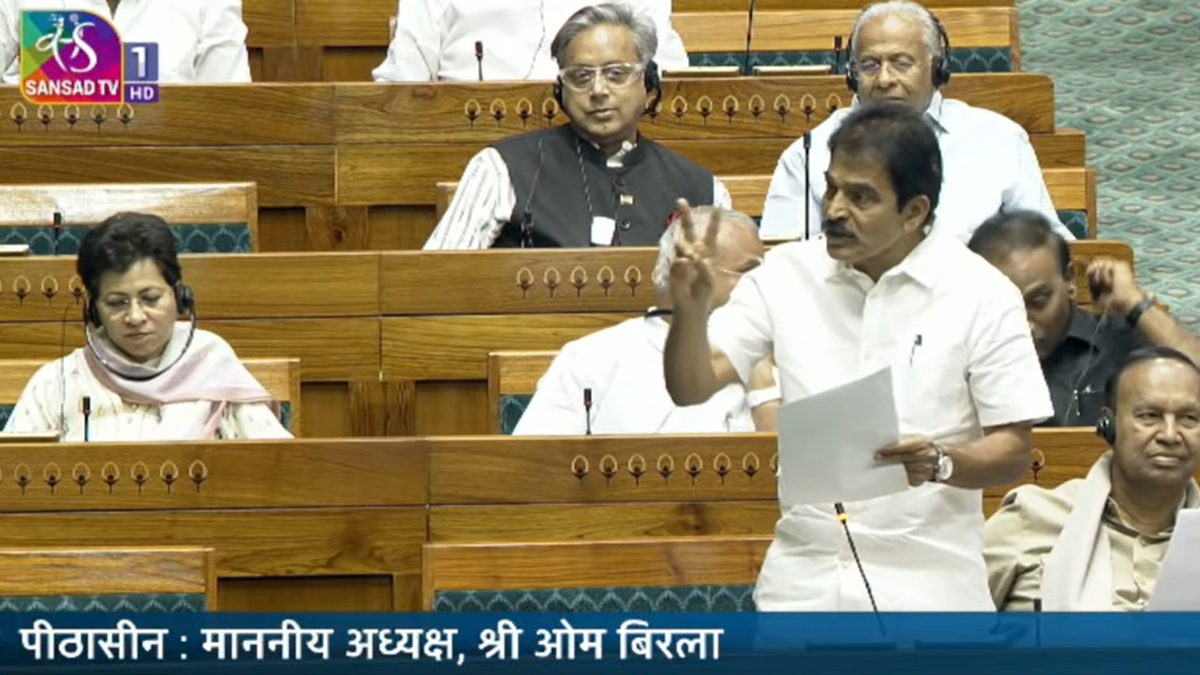
BJP's Women's Reservation Bill Controversy
The BJP faces backlash over the Women's Reservation Bill as the DMK accuses it of political exploitation during a heated and pivotal Lok Sabha session in Delhi.
India
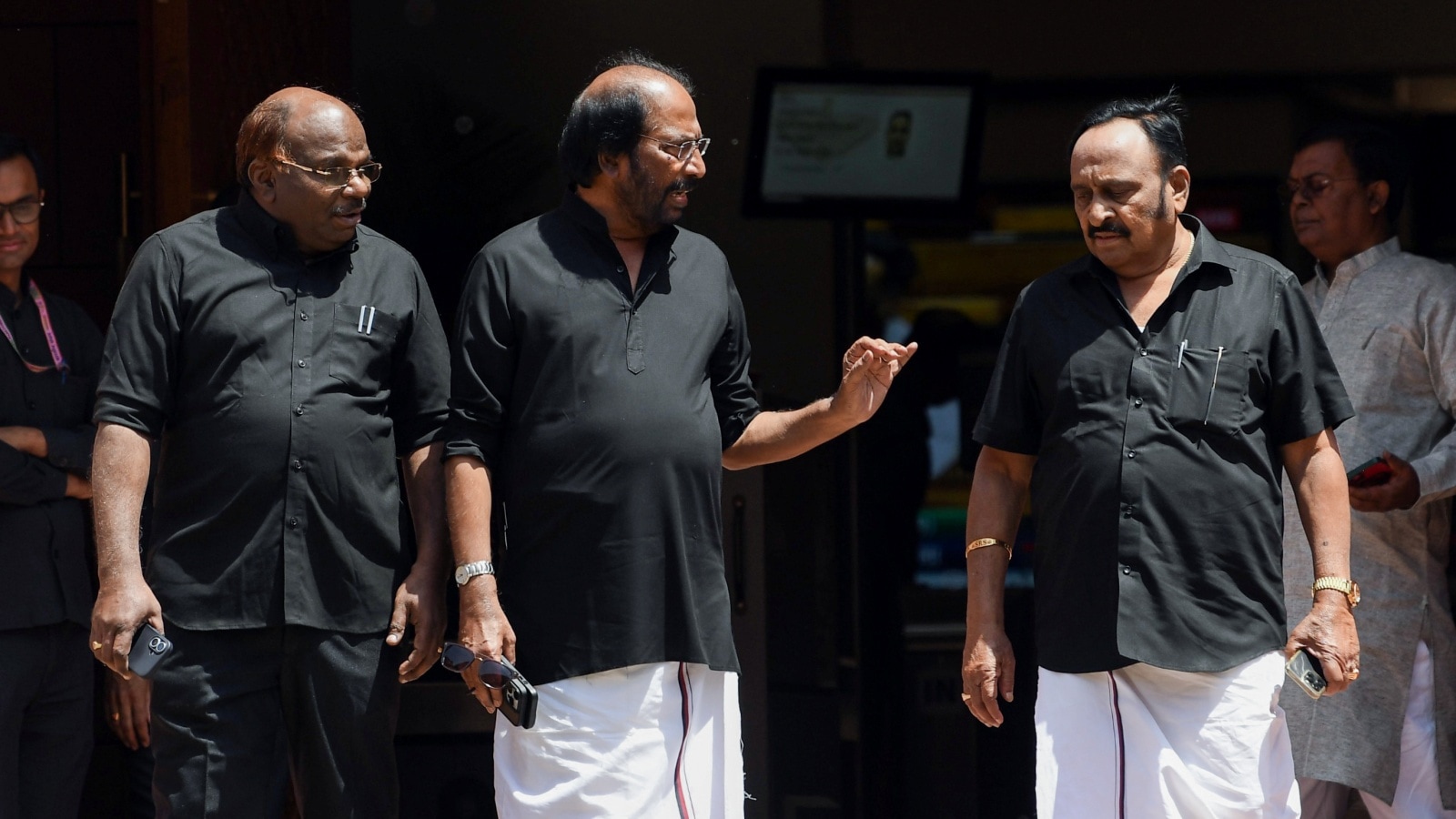
Delimitation Bill Controversy
India's Delimitation Bill ignites fierce debate, raising fears over federal representation and shifting the balance of political power among the states sharply.
India
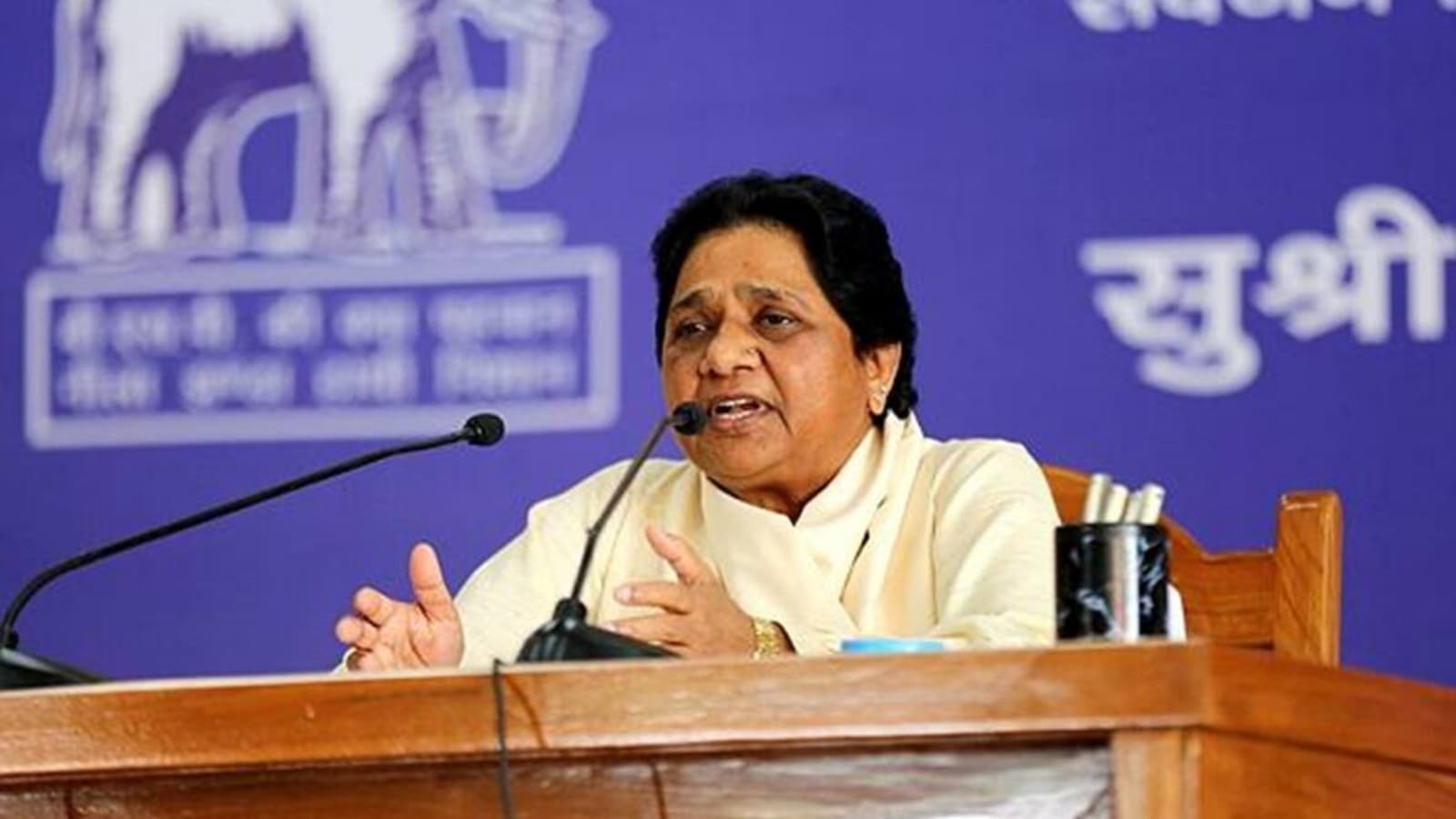
Former Leaders Endorse Women's Reservation
Pratibha Patil, Meira Kumar, and Mayawati backed the 33% Women's Reservation Bill, uniting behind a push to expand women's political representation in India.

Conflict & Security
Drone Warfare Killing Aid Workers at Unprec
Over 1,000 humanitarian workers killed in three years as cheap armed drones collapse legal protections. Gaza, Sudan, Ukraine, and DRC see deliberate targeting of aid convoys and hospitals with zero prosecutions.