Former Leaders Endorse Women's Reservation
Pratibha Patil, Meira Kumar, and Mayawati back women's representation
Model Diplomat3 min readIndia
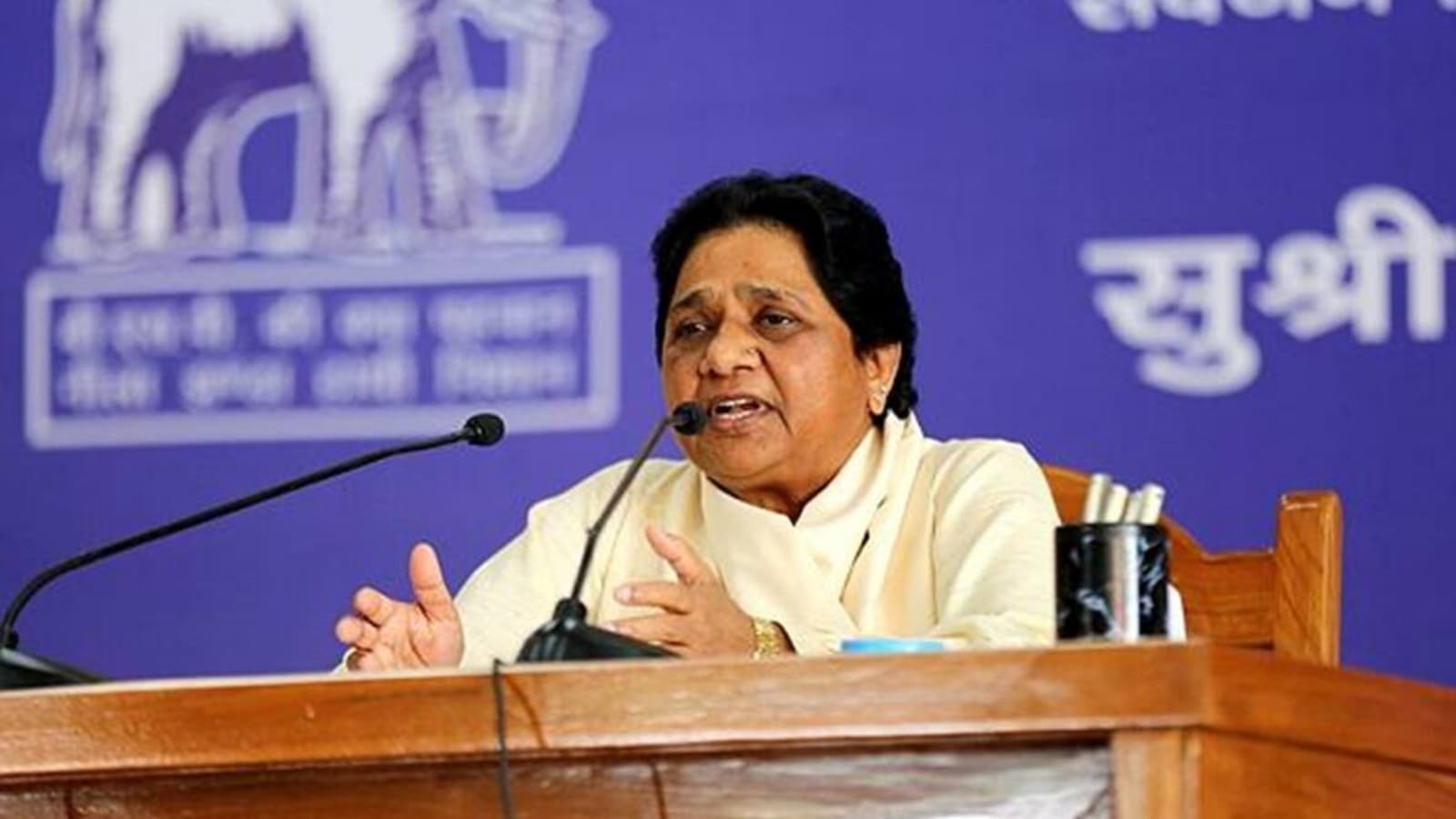
Former Leaders Back 33% Women's Reservation Bill in India
Pratibha Patil, Meira Kumar, and Mayawati unite to support a landmark push for women’s political representation.
Former President Pratibha Patil, ex-Lok Sabha Speaker Meira Kumar, and former Uttar Pradesh Chief Minister Mayawati have publicly endorsed the Indian government’s initiative to enact 33% reservation for women in the Lok Sabha and state assemblies. This rare display of cross-party support for the Women’s Reservation Bill could signal a turning point in Indian electoral politics, where women have consistently been underrepresented despite their electoral weight.
Why Their Support Matters
For decades, the Women’s Reservation Bill has been stalled in Parliament, largely due to political disagreements and party calculations around candidate selection. The bill’s provision for reserving one-third of the seats in lower houses at both the central and state levels aims to institutionalize gender parity in India’s patriarchal legislative bodies.
Pratibha Patil and Meira Kumar, both from the Indian National Congress, have roots in a party that has historically supported affirmative action but has struggled to translate rhetoric into tangible gains for women candidates in recent years. Their vocal endorsement revives Congress’s claim as a champion of women’s rights in a space increasingly dominated by the BJP’s brand of politics.
Mayawati, leader of the Bahujan Samaj Party (BSP) and four-time Chief Minister of Uttar Pradesh, represents a more complex endorsement. Her legacy is built on empowering marginalized Dalits, with women’s issues secondary in her political narrative. Her backing may reflect a strategic alignment to broaden the BSP's appeal, signaling the bill’s potential to reshape political coalitions by galvanizing women voters.
This high-profile trio’s support bridges regional, caste, and party lines, boosting the bill’s legitimacy beyond the ruling Bharatiya Janata Party and its allies. The BJP government’s push for this legislation—already passed in the Lok Sabha but stalled in the Rajya Sabha—has been seen as a priority before the 2029 general elections, aiming to showcase women’s empowerment on a national stage.
The Road Ahead: What to Watch
The key hurdle remains the Rajya Sabha, where opposition parties hold significant sway. Despite endorsements, internal party politics and local power equations could slow down or dilute the bill’s implementation. Critics worry about the dilution of reservation benefits for Scheduled Castes and Scheduled Tribes if the bill fails to explicitly protect sub-quotas within the 33% reservation.
Opposition voices in Parliament argue the bill, if passed, could sideline seasoned male legislators and disrupt current political dynamics. But proponents claim this reform is overdue, citing data that women currently hold just 14% of seats in Parliament and less than 10% in many state assemblies, despite constituting nearly half the electorate.
Another angle to watch is how political parties will rotate or prioritize women candidates under reservation. It could pave the way for more dynastic politics if parties favor known political families, or it could open the field to grassroots female leaders historically marginalized by male-dominated party hierarchies.
In sum, this development marks a rare convergence in Indian politics on gender representation, with seasoned leaders from diverse backgrounds stepping up. The next six months will be crucial for the bill’s fate in Rajya Sabha and the consequent transformation in India’s democratic landscape.
For broader context, see India Politics and
Global Politics.
Former President Pratibha Patil, Meira Kumar, Mayawati Back Women’s Reservation Bill - The Indian Express, April 2026
Discover more
India
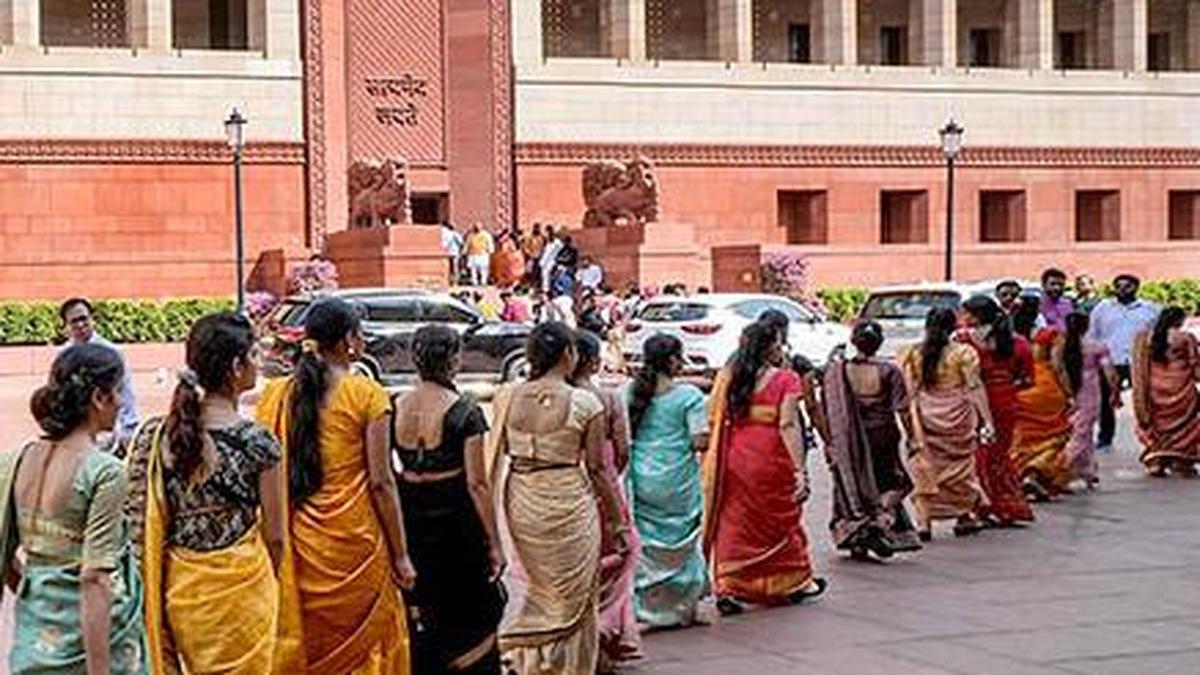
India's 33% Women’s Reservation Bill
India's Lok Sabha debated a historic bill reserving 33% of seats for women, a measure aimed at transforming representation and advancing gender equity.

India
Modi Proposes 33% Women Reservation in LokSab
The Modi government introduced bills to reserve 33% of Lok Sabha seats for women, a sweeping push for gender parity in Indian politics and elected office.
India
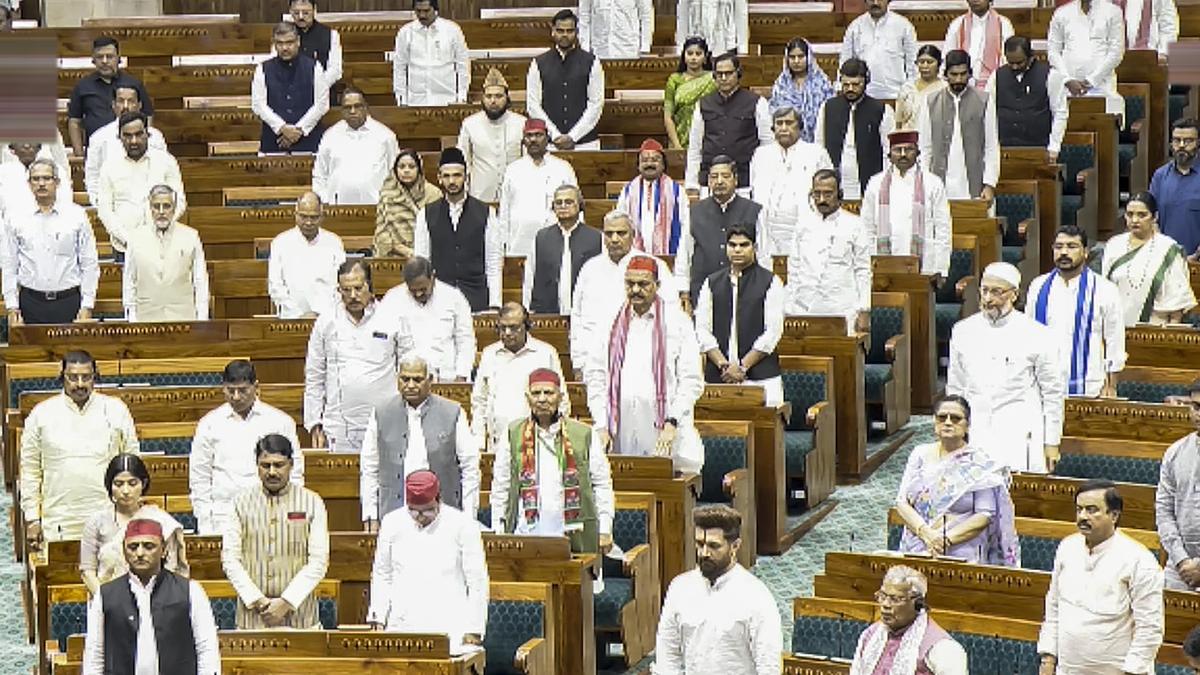
India's 131st Amendment Bill
The Lok Sabha passed the 131st Amendment Bill, clearing a path for a 33% women's reservation in Parliament by 2029 and breaking a two-decade-long impasse.

Economics
Fed's Amex AML order puts correspondent banking on notice
Federal Reserve's Amex AML order requires board-level controls and a 90-day plan; OCC fined the bank $350 million over enterprise-wide deficiencies.