India's 131st Amendment Bill
New bill aims for 33% women’s quota in Parliament by 2029
Model Diplomat3 min readIndia
India’s 131st Amendment Bill Brings Women’s Reservation Closer to 2029 Polls
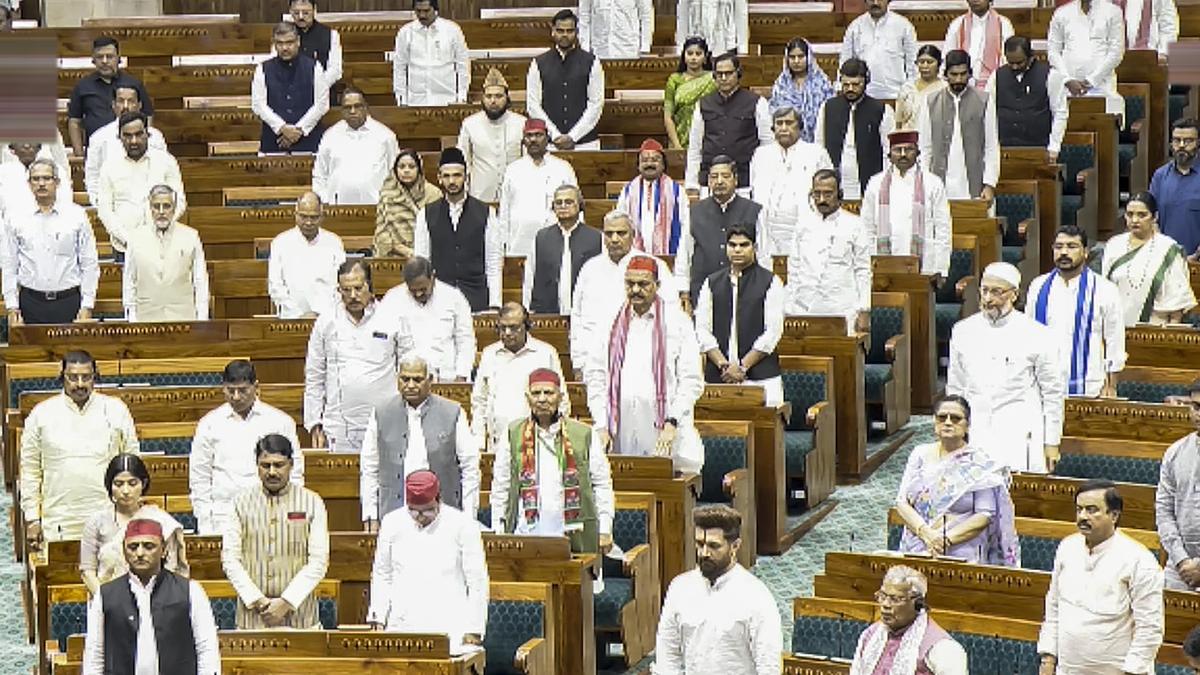
The Lok Sabha passed the Constitution (131st Amendment) Bill, 2026, setting a new timeline to operationalize women’s reservation in Parliament by the 2029 general election.
The Indian lower house of Parliament on April 17, 2026, passed the Constitution (131st Amendment) Bill, 2026, with 251 voting in favor and 185 against. The bill proposes to amend the long-stalled women’s reservation law, aiming to ensure that a mandated 33% quota for women in the Lok Sabha and state legislative assemblies will be enforced starting from the next general election in 2029 The Hindu.
Why This Matters: Breaking a Two-Decade Impasse
The women’s reservation bill was first introduced in 1996 and passed by the Rajya Sabha in 2010 but has been stuck in limbo ever since. The biggest hurdle has been delimitation—the redrawing of constituency boundaries based on the latest census—to implement reserved seats for women without cutting into existing reservations for Scheduled Castes and Scheduled Tribes.
This 131st Amendment effectively ties the implementation date to the completion of the next nationwide delimitation exercise, scheduled to conclude before the 2029 general elections. This linkage is a key legal and political maneuver: by synchronizing reservation with delimitation, the government aims to remove constitutional hurdles and pre-empt potential litigation that derailed past efforts.
For women’s political representation, this is a milestone. Women currently hold around 15% of Parliament seats—far short of parity. With reservation, a third of all legislative seats will be earmarked for women, potentially doubling female representation. This could accelerate shifts in policymaking priorities toward issues like health, education, and gender justice, areas where women legislators historically show distinct engagement.
Political Stakes and Opposition
The bill’s passage in the Lok Sabha came amid spirited debate. Opposition parties, including factions of the BJP and regional outfits, voiced concerns that the bill’s linkage to delimitation could delay actual implementation or complicate existing caste-based reservations.
Critically, political calculations underlie many objections. Some opponents fear women’s reservation might disrupt entrenched patronage networks and political dynasties, especially in seats currently held by powerful male leaders. Some also argue that reservation based solely on gender ignores socio-economic and caste complexities.
Yet, the ruling coalition’s push signals confidence in the bill’s prospects in the Rajya Sabha, where constitutional amendments require two-thirds support. If cleared, this amendment would mark a historic victory for gender-inclusive politics in India.
What to Watch Next
-
Rajya Sabha Passage: The bill’s fate in the upper house will be critical. The government must consolidate support from key regional and opposition parties.
-
Delimitation Exercise: Policymakers and political watchers will track how delimitation is conducted, as it will dictate which constituencies women will contest under reservation.
-
State-Level Impact: Since women’s reservation applies to state assemblies too, implementation timelines and political reactions in states like Uttar Pradesh, Maharashtra, and Tamil Nadu will offer early indicators.
-
Long-Term Political Shifts: Beyond numbers, monitoring whether women MPs leverage increased presence into leadership roles within parties and committees will reveal if reservation translates into substantive empowerment.
This development marks a concrete advance in India’s decades-long push toward gender parity in governance. It also exemplifies the intricate locking of electoral reforms with broader demographic and political recalibrations—a hallmark of India’s complex democratic choreography.
For more on India’s evolving political landscape, see India Country Profile and insights on
Global Politics.
Sources:
Discover more
India
India's 33% Women’s Quota in Lok Sabha 2029
India plans to expand the Lok Sabha to 850 seats and reserve 33% for women by 2029, aiming for far greater gender representation in national politics.
India
Modi Backs Women's Reservation for 2029
Modi's endorsement of women's reservation for the 2029 elections reshapes India's political landscape, blending gender equality with sharp electoral strategy.

India
India's Lok Sabha Expansion
India proposes expanding the Lok Sabha to 850 seats by 2029 to strengthen women's representation, signaling a significant shift in parliamentary politics.

Economics
Fed's Amex AML order puts correspondent banking on notice
Federal Reserve's Amex AML order requires board-level controls and a 90-day plan; OCC fined the bank $350 million over enterprise-wide deficiencies.