India's 33% Women’s Quota in Lok Sabha 2029
A bold move to enhance women's representation in Indian politics
Model Diplomat3 min readIndia
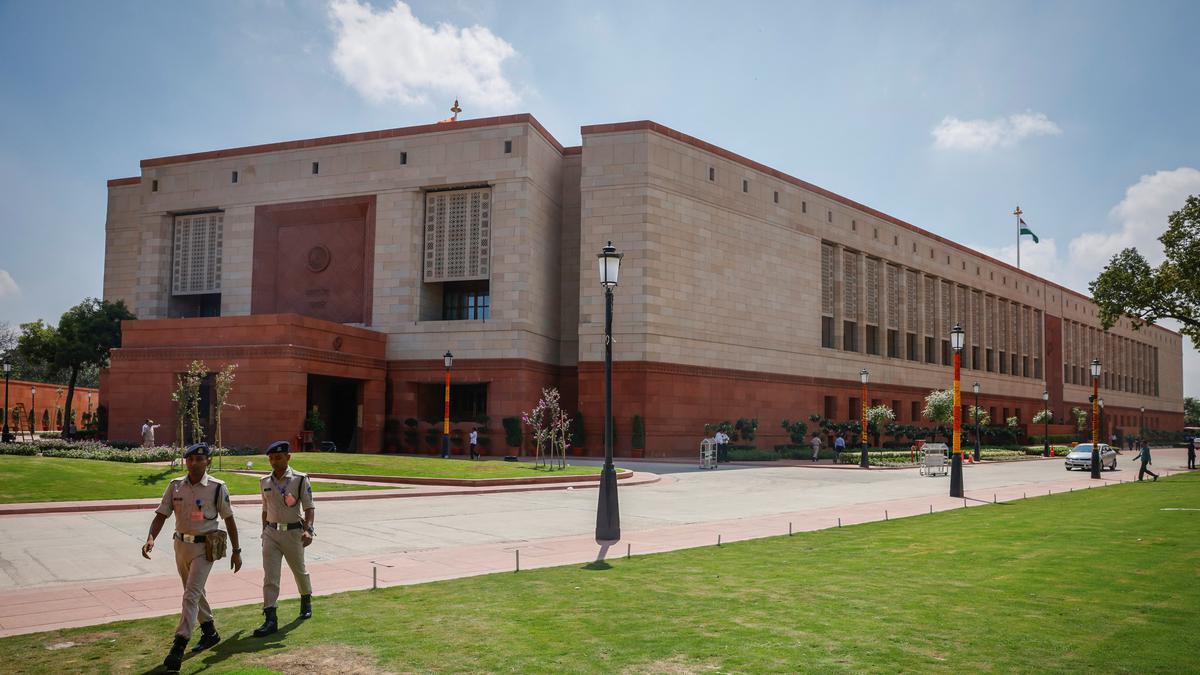
India Eyes 33% Women’s Quota in Expanded Lok Sabha Ahead of 2029 Polls
The Indian government’s draft plan to increase Lok Sabha seats and reserve one-third for women signals a bold shift in parliamentary representation with wide-reaching political implications.
The Lok Sabha is on the verge of a significant transformation: a draft constitutional amendment proposes expanding the lower house from its current 543 seats to as many as 850, coupled with a 33% reservation for women candidates to be implemented before the 2029 general elections. This move, reported by The Hindu on April 14, 2026, aims to accelerate gender representation in India’s legislature, where women currently hold just around 14% of seats in the Lok Sabha and similar proportions in state assemblies.
Why Expanding the House and Reserving Seats Matters
The proposal tackles two of India’s longstanding democratic challenges: gender imbalance in political representation and constituency delimitation bottlenecks. Reserving a third of seats for women is overdue by several decades; the idea was first introduced in the 1990s but stalled repeatedly in Parliament and state assemblies due to political pushback and complexities in implementation.
Expanding the Lok Sabha from 543 to up to 850 seats is a jaw-dropping move. This drastic expansion is designed to facilitate the reservation without displacing current constituencies, allowing for new, reserved seats to be added rather than retasking existing ones. It also ties into calls for rebalancing parliamentary representation across India’s growing and shifting population centers—lastly adjusted in 2008 but pending since due to a freeze on changes until 2026.
If enacted, this will dynamically reshape electoral maps and party strategies. Political parties will need to field more women candidates, recalibrating their candidate pools and campaign resources. For voters, larger Lok Sabha means smaller constituencies on average, potentially improving voter-MP engagement but also raising logistical and cost concerns around elections.
The Political and Social Stakes
Gender reservation will inject new voices into a male-dominated chamber, potentially altering legislative priorities, especially for issues like women’s rights, social welfare, and healthcare. But parties may also treat reserved seats as quota boxes for loyalists rather than meritocratic selections, a risk seen in state-level reservations.
Moreover, the commitment to enact this before the next general election signals strong political will from the ruling dispensation, possibly leveraging this reform as an electoral plank. Historically, reservations have triggered debates over identity politics and electoral fairness, but women’s representation commands a broader societal consensus in India, bolstered by growing middle-class advocacy and activism.
What to Watch Next
- Legislative Process: How quickly Parliament debates and passes the constitutional amendment will reveal political consensus or discord on gender and electoral reforms.
- Delimitation Outcomes: States waiting decades for constituency adjustments—from fast-growing urban centers to underrepresented rural areas—will scrutinize the new delimitation exercises that follow the expansion.
- Party Responses: Will major parties genuinely promote women candidates or merely tick quotas? The candidate selection in 2029 will be a telling barometer.
- Voter Reaction: How the electorate, especially in newly created reserved constituencies, responds to these structural changes will influence the reform’s legitimacy and longevity.
India’s bold plan to expand the Lok Sabha and reserve 33% of seats for women stakes a historic claim in the global push for gender parity in politics. It is not just about numbers but about modernizing representation for a changing society and setting a precedent with ripple effects for democracies worldwide.
For more on India’s evolving political landscape, see India country profile and related
Global Politics.
For 33% quota for women before next parliamentary polls, Lok Sabha seats to be increased to up to 850 - The Hindu, April 14, 2026
Discover more

India
TMC, DMK, SP Lead in Women MPs Over BJP
TMC leads with 37.9% women MPs in Lok Sabha, while BJP lags at 12.9%, highlighting a gender gap in Indian politics.

India
Mamata Banerjee's TMC
Mamata Banerjee says 37.9% of TMC's Lok Sabha MPs are women, directly countering Modi's narrative on women's political representation in India's Parliament.

India
Modi Proposes 33% Women Reservation in LokSab
The Modi government introduced bills to reserve 33% of Lok Sabha seats for women, a sweeping push for gender parity in Indian politics and elected office.

Economics
Fed's Amex AML order puts correspondent banking on notice
Federal Reserve's Amex AML order requires board-level controls and a 90-day plan; OCC fined the bank $350 million over enterprise-wide deficiencies.