India's Lok Sabha Expansion
Proposed increase in Lok Sabha seats aims for gender equity
Model Diplomat3 min readIndia

India Proposes Lok Sabha Expansion to 850 Seats for Women’s Reservation
The Centre’s bill to boost Lok Sabha seats from 543 to 850 aims to make room for women’s reservation by 2029 — a move with broad political and demographic implications.
On April 14, 2026, the Indian government formally proposed a constitutional amendment to increase the Lok Sabha (House of the People) seats from the current 543 to a maximum of 850. This expansion is explicitly linked to reserving parliamentary seats for women, targeted for implementation by 2029. The amendment connects the increase to the decennial census process and subsequent delimitation exercises, meaning the final allocation of seats would adjust based on updated population data.
Why Increasing Seats Matters
The 2013 Constitution (Eighty-fourth Amendment) froze the total number of Lok Sabha seats until the first census after 2026, to maintain parity in parliamentary representation despite the demographic shifts between states — mainly to prevent states with rapidly growing populations, like Uttar Pradesh and Bihar, from gaining disproportionate influence. Now, with this proposed amendment, the government signals an intent to break that freeze to fulfill a politically and socially significant goal: women’s reservation.
India’s Lok Sabha currently has 543 elected seats. Expanding the house to as many as 850 means increasing the size by more than 50%. This is not only an administrative overhaul but a recalibration of political power. Seats would be reapportioned following the next census and delimitation, likely in 2031 or sooner, adjusting representation to population realities that have evolved dramatically since the 2001 census.
The key driver behind the expansion is the long-pending Women’s Reservation Bill. The bill, first introduced in 1996 but repeatedly stalled, proposes reserving 33% of seats for women in Parliament and state legislatures. By increasing the total number of seats, the government can insert reserved seats without displacing incumbents directly—a compromise designed to reduce opposition resistance.
Political and Social Implications
Women currently occupy under 15% of Lok Sabha seats, a figure far below the 33% target, reflecting persistent barriers in political participation. Institutionalizing reservation will not only boost representation but could reshape policy priorities toward issues affecting women and social justice.
However, increasing the total number of lawmakers also raises concerns about legislative efficiency and costs. Critics argue that simply adding seats risks bloating Parliament and invites federal administrative challenges related to constituency management and electoral logistics.
More broadly, this move reopens debates about federal balance. States like Uttar Pradesh, Maharashtra, and Bihar will see seat gains, reflecting their population share, while smaller or slower-growing states may lose relative voice. This recalibration may realign party strategies and influence the electoral arithmetic substantially by the 2030 general elections.
The amendment also ties the increase intimately with the next census and delimitation, a process fraught with political sensitivity. Delimitation has been controversial in the past, especially in northern and northeastern states where shifts in seat allocation provoke fears of marginalization.
What to Watch Next
- The bill’s legislative journey and debates in Parliament will reveal the ruling coalition’s ability to manage intra-party and opposition dissent.
- Implementation timing after the 2031 census and the subsequent delimitation process will be crucial in operationalizing the seat increase.
- Political parties’ candidate selection strategies as they adapt to the new reserved seats for women.
- Responses from states facing seat reductions or significant changes in constituency boundaries.
This development dovetails with India’s broader push toward more inclusive politics amidst a changing demographic canvas. It highlights the balancing act Delhi must perform between federal equity, gender representation, and parliamentary functionality.
For a deeper dive into India’s political structure and electoral dynamics, see our India profile and explore the broader implications for
Global Politics.
Centre proposes amendment to increase Lok Sabha seats up to 850
Discover more
India
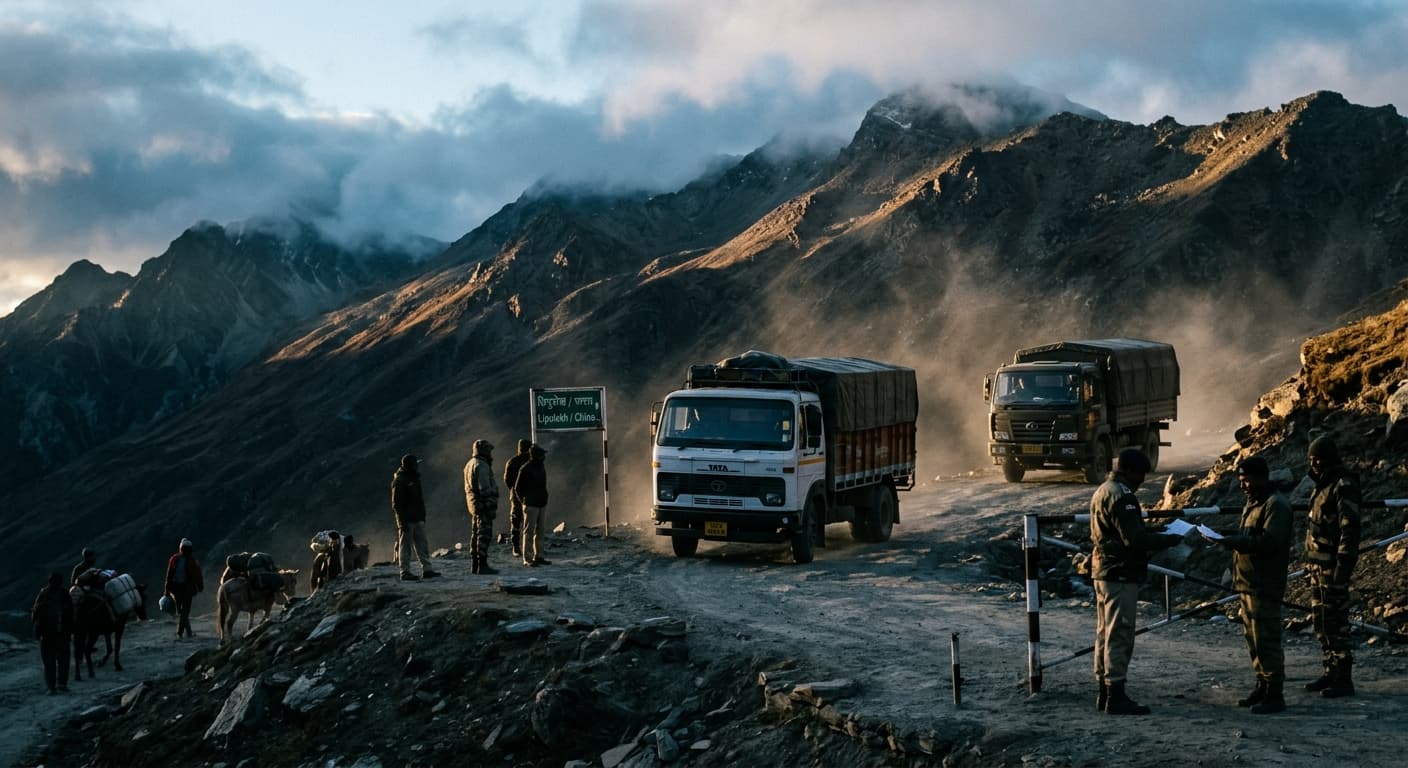
Lipulekh Pass Reopens: India-China Trade
India and China reopen the Lipulekh Pass for cross-border trade, signaling a cautious thaw in relations after years of frozen frontier and diplomatic tensions.

India
India, South Korea Forge Five-Year Plan
India and South Korea have agreed on a five-year partnership plan to deepen trade and defense cooperation, strengthening strategic and economic regional ties.

India
India Rebukes Pakistan at UNSC on Kashmir
India's UN envoy sharply rebuked Pakistan for politicizing a UN Security Council meeting on Kashmir, accusing Islamabad of diverting attention with rhetoric.
India
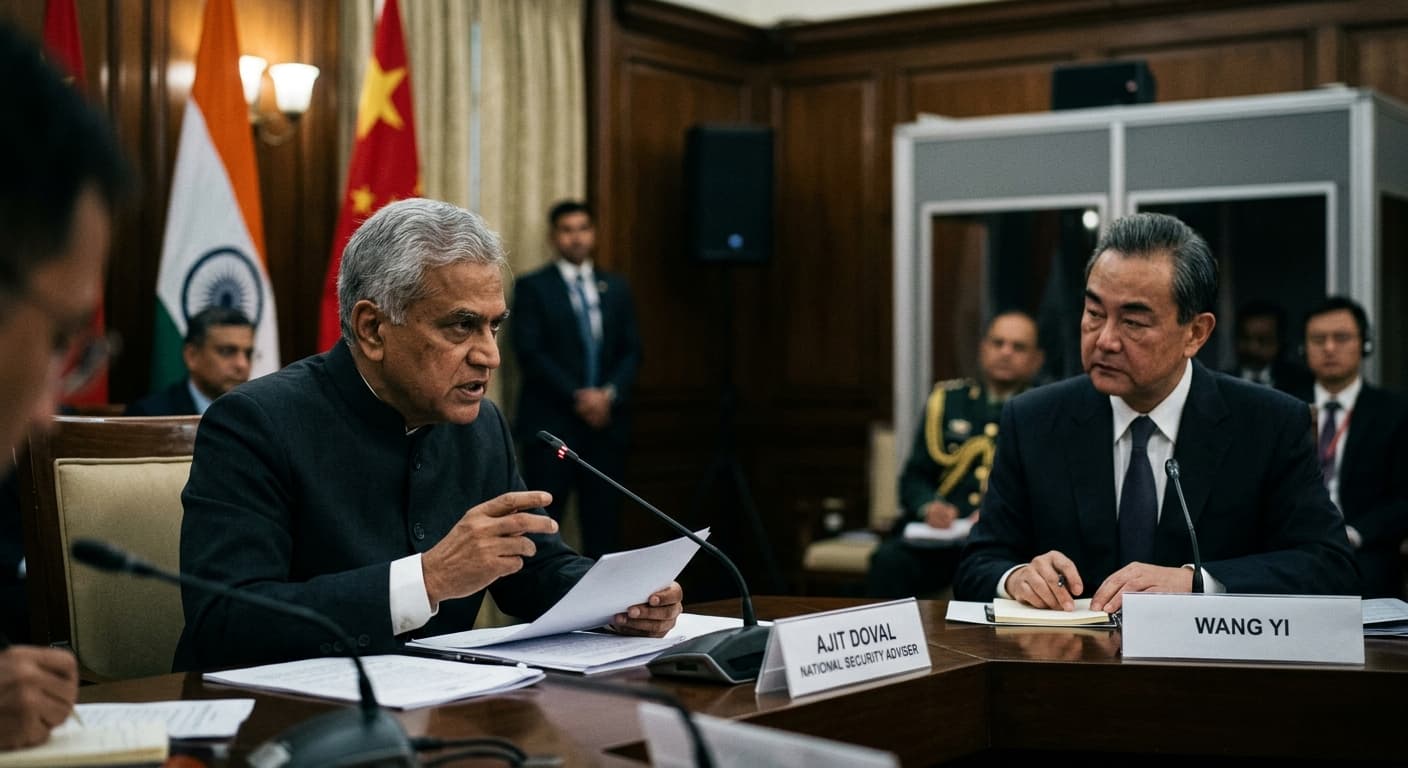
Doval's Message: India Signals Sensitivity
India's Doval signals sensitivity to core national interests in talks with China, stressing mutual respect on border tensions to steady the wider relationship.