India's 33% Women’s Reservation Bill
Parliament debates landmark women’s reservation amendment
Model Diplomat2 min readIndia
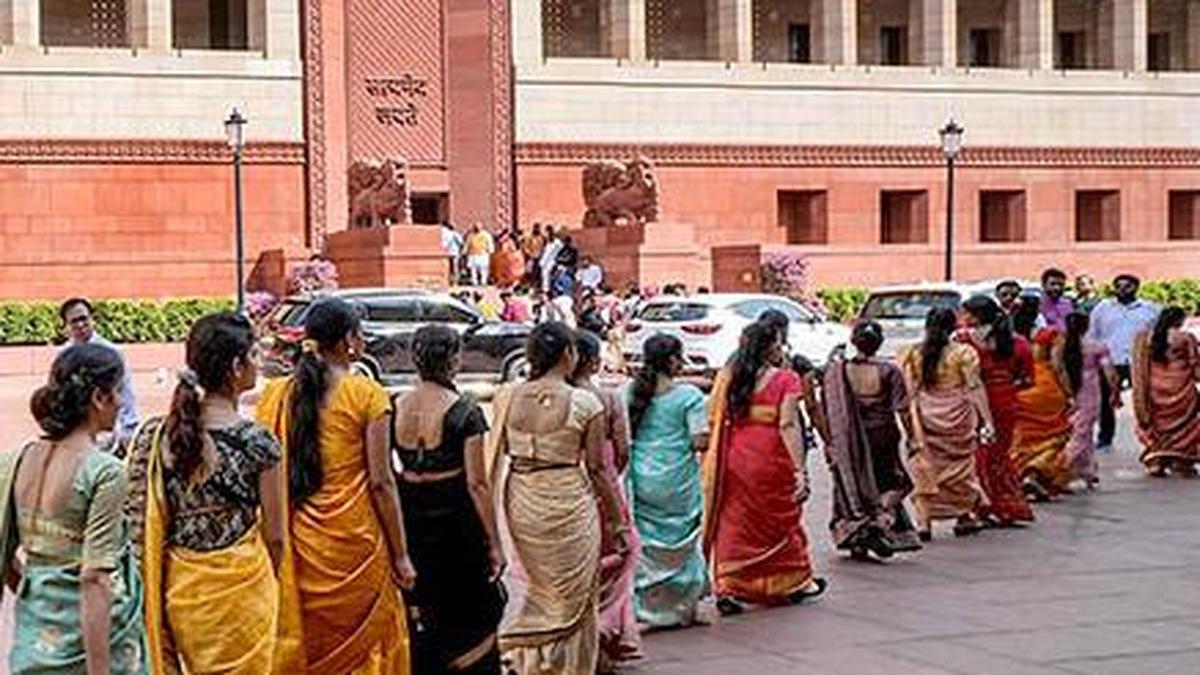
India Pushes 33% Women’s Reservation in Lok Sabha in Crucial Special Session
India’s Parliament convenes in April 2026 to debate a constitutional amendment for 33% women’s reservation in both the Lok Sabha and State Assemblies, a major shift in political representation.
India’s Lok Sabha began a pivotal three-day special session starting April 16, 2026, focusing on fast-tracking a constitutional amendment to mandate 33% reservation for women in both the Lok Sabha and State Legislative Assemblies. The 131st Amendment Bill seeks to transform Indian electoral politics by enshrining significant gender quotas. This move marks one of the most ambitious efforts yet to address women's underrepresentation in India’s legislative chambers.
Why This Matters: A Structural Shift in Representation
India’s Parliament calling a special session dedicated largely to this legislation signals the government’s political will to overhaul gender representation swiftly. Currently, women constitute around 15% of the Lok Sabha, despite comprising nearly half the population. The last major reservation effort at the national level was the 73rd and 74th constitutional amendments in the 1990s, empowering local governments, but state and national legislatures have lagged behind on gender quotas.
This 33% clause is notable for several reasons:
- It aligns India with global trends towards gender parity in elected positions, but it goes beyond many peers by constitutionally embedding quotas.
- It holds potential to reshape candidate selection dynamics within major political parties, forcing a diversification of leadership pipelines.
- The fact that the bill also covers State Assemblies creates a uniform approach to gender representation nationwide, which previously relied on disparate state laws and policies.
- The bill is part of a larger package that includes delimitation measures, potentially redrawing constituencies to ensure fairer and more effective representation across regions.
This development also taps into rising citizen demands for greater gender equality and inclusion in governance, which have been delayed by political inertia and competing priorities. Women’s political participation in India remains constrained by social barriers and party hierarchies resistant to change.
What to Watch: Political Firings and Future Impact
The bill faces several hurdles:
- Opposition parties may scrutinize the delimitation part closely, as redrawing boundaries can shift electoral balances and affect incumbent safety.
- Some critics from within the ruling party or allies may question the scope or implementation mechanisms, especially how candidate parties will meet quota requirements.
- Monitoring state-level responses will be crucial. States have varying political cultures regarding women’s representation, and enforcement of quotas may run into legal or constitutional challenges at the state level.
If passed, India will enter a new chapter redefining democratic representation with potentially profound downstream effects: increased gender-sensitive policymaking, shifts in political campaigning, and altered party strategies. The success of this bill could also revive momentum for other social equity reforms languishing in Parliament.
For detailed parliamentary coverage and implications, see India Parliament and
Global Politics.
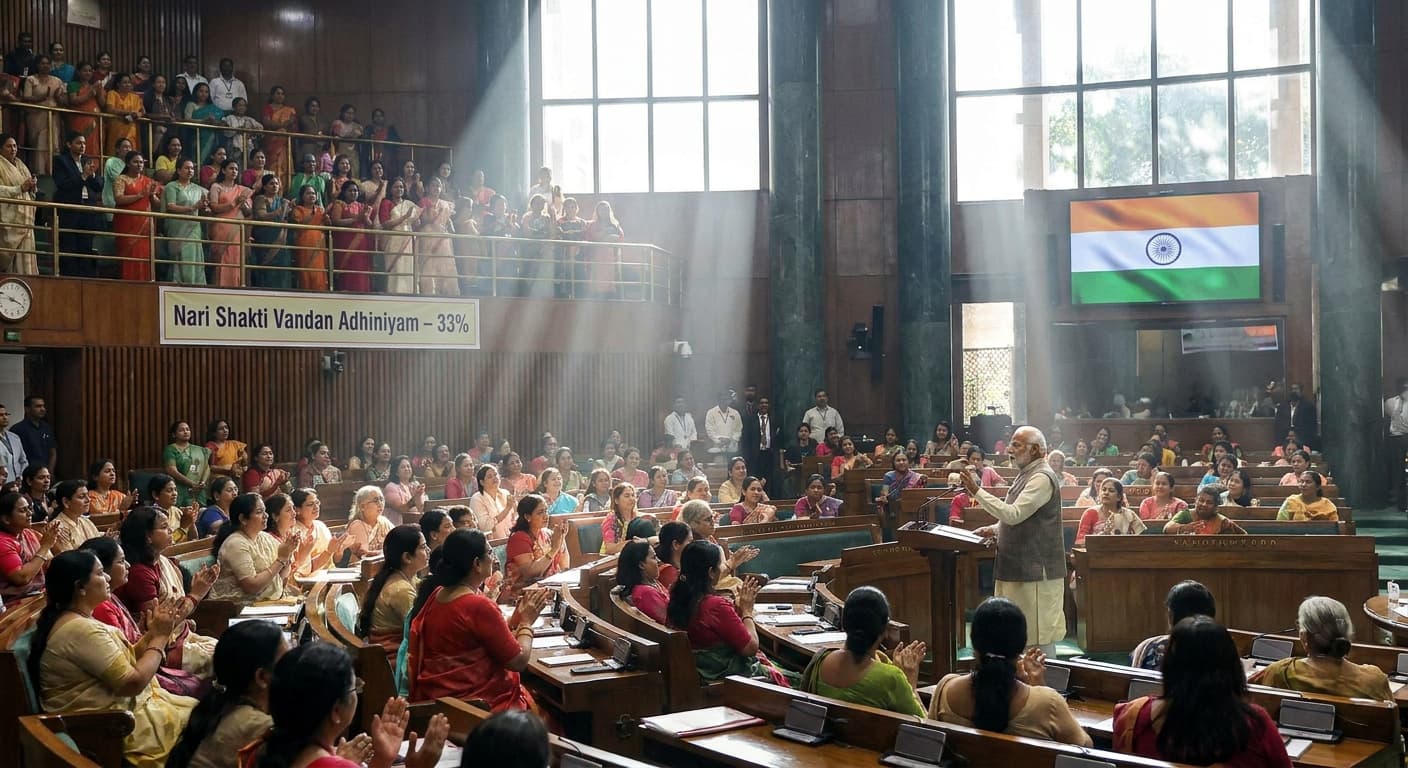
Parliament special sitting LIVE: Lok Sabha takes up discussion on women reservation
Discover more
Global Politics
Modi's 33% Women Reservation Bill Impact
India's Women's Reservation Bill would reserve 33% of parliamentary seats for women, a reform poised to reshape political dynamics and gender representation.

India
Modi Proposes 33% Women Reservation in LokSab
The Modi government introduced bills to reserve 33% of Lok Sabha seats for women, a sweeping push for gender parity in Indian politics and elected office.

India
India's Lok Sabha Seats Rise 50% with Women
India plans to expand Lok Sabha seats by 50% while reserving 33% for women, a sweeping overhaul set to reshape political representation across the country.

Economics
Fed's Amex AML order puts correspondent banking on notice
Federal Reserve's Amex AML order requires board-level controls and a 90-day plan; OCC fined the bank $350 million over enterprise-wide deficiencies.