India's Lok Sabha Seats Rise 50% with Women
Historic expansion of Lok Sabha seats and women's representation
Model Diplomat3 min readIndia

Lok Sabha Seats to Grow 50% with 33% Reserved for Women
India’s Parliament set to expand Lok Sabha seats from 543 to 815, reserving 272 for women, reshaping political representation.
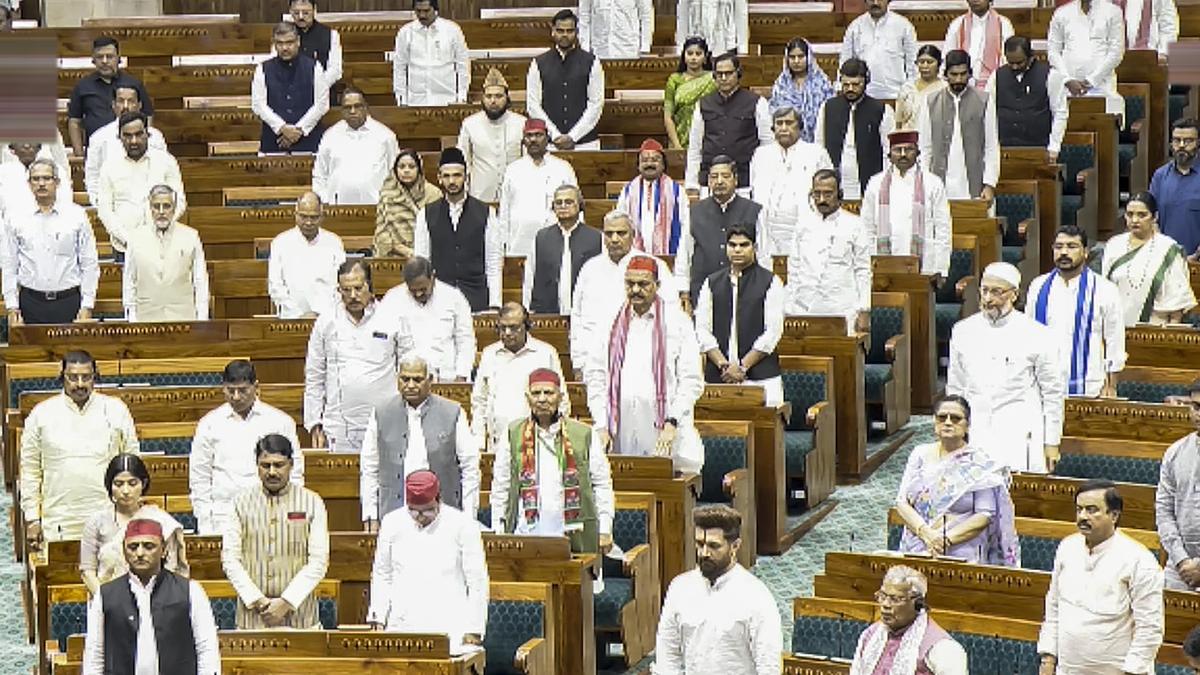
India’s Law Minister recently announced a sweeping plan to increase the number of Lok Sabha seats by 50%, raising the total from 543 to 815. This includes reserving 33% of the new seats—272 in total—for women, a historic stride toward gender-inclusive politics. The proposal, revealed during the ongoing parliamentary session, is tied to a fresh delimitation exercise that will redraw constituency boundaries across all states.
Why This Matters: More Seats, More Voices, More Women
The expansion signifies the first major growth in Lok Sabha size since 1976 when seat numbers were frozen to allow smaller states to catch up demographically. With India’s population having surged past 1.4 billion and uneven growth across states, an increase in parliamentary seats aims to better reflect current realities and address long-standing representation imbalances. Larger states like Uttar Pradesh, Maharashtra, and West Bengal will gain more MPs, altering the political arithmetic considerably.
The women’s reservation component is a game-changer. Despite multiple decades of indirect political representation efforts through Panchayati Raj institutions, women have historically occupied roughly 14% of Lok Sabha seats. A 33% quota directly in the lower house challenges entrenched patriarchal norms and could accelerate women’s political participation at the national level. Objections from some quarters raise fresh debates about whether quotas undercut merit or political choice—but the precedent in local governance suggests a significant, positive normalization effect.
The Political Stakes and Challenges Ahead
The delimitation process is politically sensitive; redrawing boundaries may lead to fierce tussles over who gains or loses representation. Parties in states slated to lose influence may resist, while those poised to gain seats will push hard to secure advantages. This reshuffle will also impact the distribution of reserved seats for Scheduled Castes and Scheduled Tribes, complicating caste-based political dynamics.
Adding 272 reserved women’s constituencies means many political parties will need to cultivate new female leaders rapidly. This could disrupt existing patronage networks dominated by established male politicians and even shift policy priorities. However, without structural supports—such as training, funding, and party backing—women candidates might face an uphill struggle despite reserved seats.
What to Watch Next
- The exact mechanics of the delimitation exercise and how state boundaries get redrawn.
- The final outcome and parliamentary approval of the Women’s Reservation Bill, which must pass both houses.
- Party strategies to integrate or resist this new representation order, especially in politically pivotal states like Uttar Pradesh and Tamil Nadu.
- Immediate effects on the candidate selection process for the 2029 general elections, the earliest realistic date for implementing expanded seats.
Expanding Lok Sabha seats and embedding gender reservations mark a transformative juncture for Indian democracy, one with deep historical resonance and potentially enduring impact. By broadening who gets to represent India’s vast population, it opens the door for more equitable and inclusive policymaking—but the real test begins with execution.
For deeper context on India’s evolving parliament and electoral landscape, see our India profile and general
Global Politics pages.
Discover more

India
India's Lok Sabha Expansion
India's special Parliament session debated a bill to expand Lok Sabha seats, a move set to reshape power dynamics ahead of the 2031 Census and future polls.
India
India's 131st Amendment Bill
The Lok Sabha passed the 131st Amendment Bill, clearing a path for a 33% women's reservation in Parliament by 2029 and breaking a two-decade-long impasse.

India
Modi's Women's Quota
PM Modi insisted India's 33% women's quota in Parliament won't disadvantage others, framing it as a vital step toward closing the gender gap in politics.

Economics
Fed's Amex AML order puts correspondent banking on notice
Federal Reserve's Amex AML order requires board-level controls and a 90-day plan; OCC fined the bank $350 million over enterprise-wide deficiencies.