India's Lok Sabha Expansion
Exploring the impact of the 131st Amendment Bill on Indian politics
Model Diplomat3 min readIndia

India’s Special Parliament Session on Lok Sabha Expansion: What’s at Stake
India’s Parliament convened April 16–18 to debate a constitutional amendment that could reshape the Lok Sabha and political power dynamics — here’s why it matters.
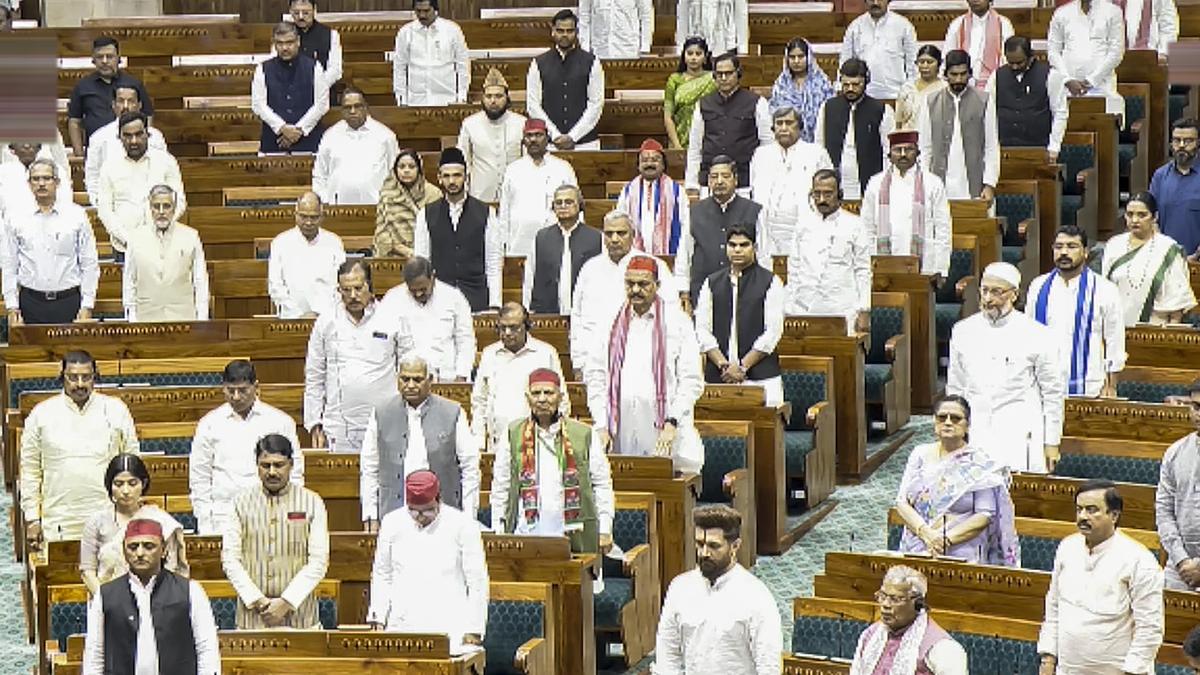
India’s special Parliament session, running April 16–18, centers on the 131st Amendment Bill, 2026, which proposes increasing the Lok Sabha seats from the current 543 to potentially as many as 850. Prime Minister Narendra Modi’s scheduled address underscores the political significance of the session as this bill also aims to enable delimitation based on the upcoming Census of India 2031, a departure from the current practice relying on the 1971 Census for seat allocation.
Why Expand and Redraw Lok Sabha?
The Constitution currently caps Lok Sabha membership and freezes delimitation to the 1971 Census figures to balance population growth differences across states. The 131st Amendment seeks to break this freeze but with a delayed application until after the 2031 Census. The key changes are:
- Increase Lok Sabha seats to reflect population growth better, improving representational equity.
- Lift the freeze on delimitation to allow fair seat adjustment based on actual demographic shifts, moving beyond the 50-year-old data.
- Enable states with faster population increases, notably in North and East India, to gain representation without penalizing states that restrained fertility.
This is a seismic political calculus because states like Uttar Pradesh, Bihar, and West Bengal stand to gain relatively more seats in a reapportioned Lok Sabha, potentially shifting the national power balance. States such as Kerala and Tamil Nadu, which have seen lower population growth, could see diminished seat shares. This realignment has direct implications for BJP’s electoral strategy and federal relations.
Women’s Reservation and Opposition Protests
Another layer complicating this session is the linkage of the delimitation bill with ongoing debates about women's reservation in Parliament. The bill’s progress revives opposition protests centered on demands for a guaranteed 33% reservation of seats for women. Opposition parties argue this is an opportunity for transformative gender representation but accuse the ruling coalition of using delimitation as a political wedge.
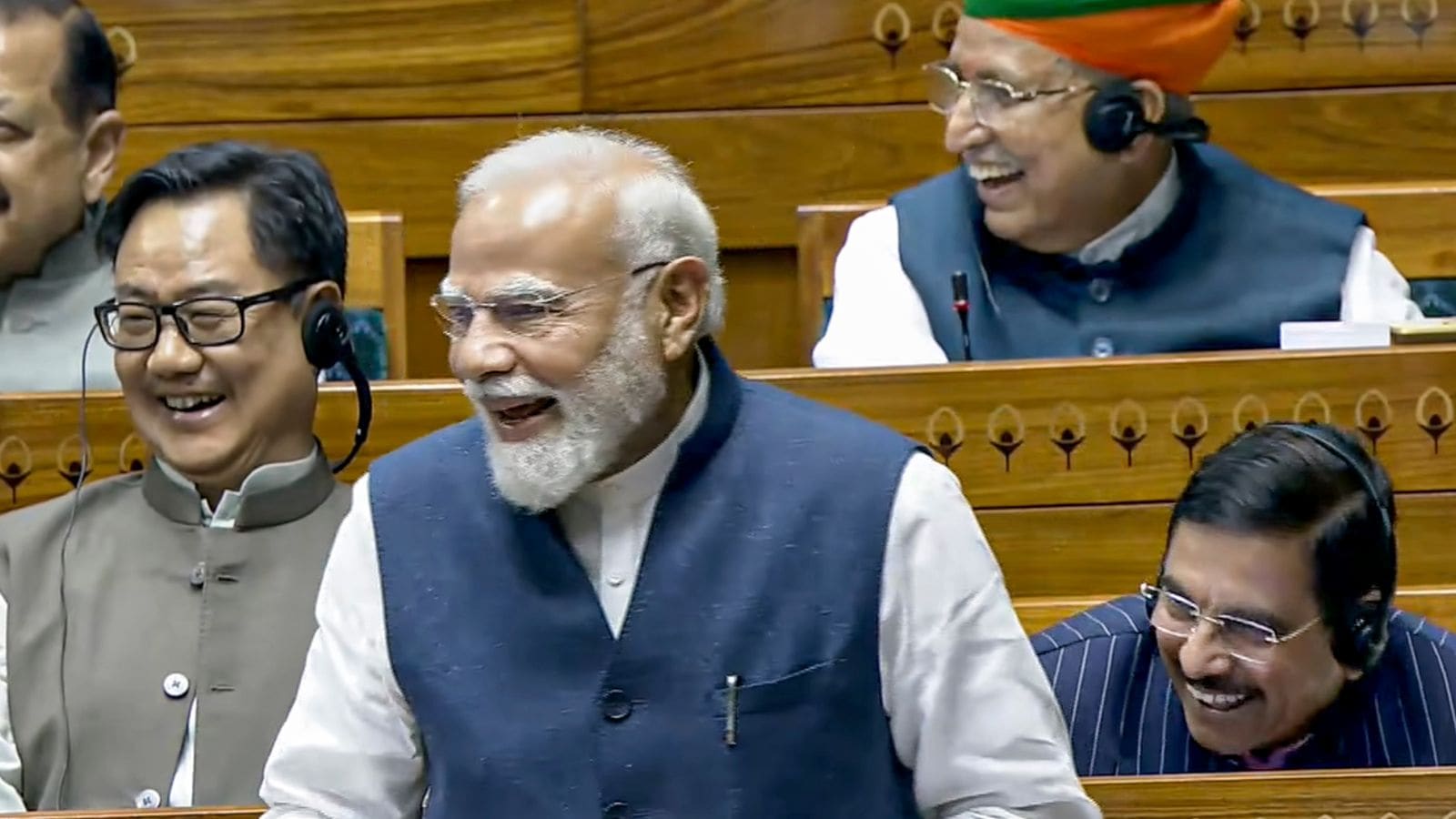
Prime Minister Modi’s appearance in the Lok Sabha to frame the amendment signals the government’s intent to push it through despite the protests. The opposition’s vocal resistance, including walkouts and public demonstrations, underscores how this session has evolved beyond a technical constitutional reform into a foundational debate about India’s democratic makeup and future electoral map.
What to Watch Next
- The final shape of the delimitation rules: Will the bill clearly commit to the 2031 Census, or is there room for earlier changes?
- Opposition unity or fragmentation on women’s reservation demands and how that affects the bill’s passage.
- The government’s strategy to balance state interests, especially those wary of losing seats, against its ambition to redraw the electoral map.
This amendment isn’t just about numbers in Parliament; it recalibrates the electoral terrain for at least a generation, influences center-state dynamics, and could reshape political alliances ahead of the next general elections.
For a deeper dive, see India’s Parliament and Electoral System and
Global Politics for context on democratic reforms worldwide.
Discover more

India
India's Lok Sabha Expansion
India proposes expanding the Lok Sabha to 850 seats by 2029 to strengthen women's representation, signaling a significant shift in parliamentary politics.
India
India's 131st Amendment Bill
The Lok Sabha passed the 131st Amendment Bill, clearing a path for a 33% women's reservation in Parliament by 2029 and breaking a two-decade-long impasse.
India
Modi's Women’s Quota and Delimitation Bills
Modi urges Parliament to pass the women's reservation and delimitation Bills, warning the opposition of political fallout in a pivotal moment for gender parity.

Economics
Fed's Amex AML order puts correspondent banking on notice
Federal Reserve's Amex AML order requires board-level controls and a 90-day plan; OCC fined the bank $350 million over enterprise-wide deficiencies.