Modi's Women’s Quota and Delimitation Bills
PM Modi pushes for women’s reservation and delimitation in Parliament
Model Diplomat3 min readIndia
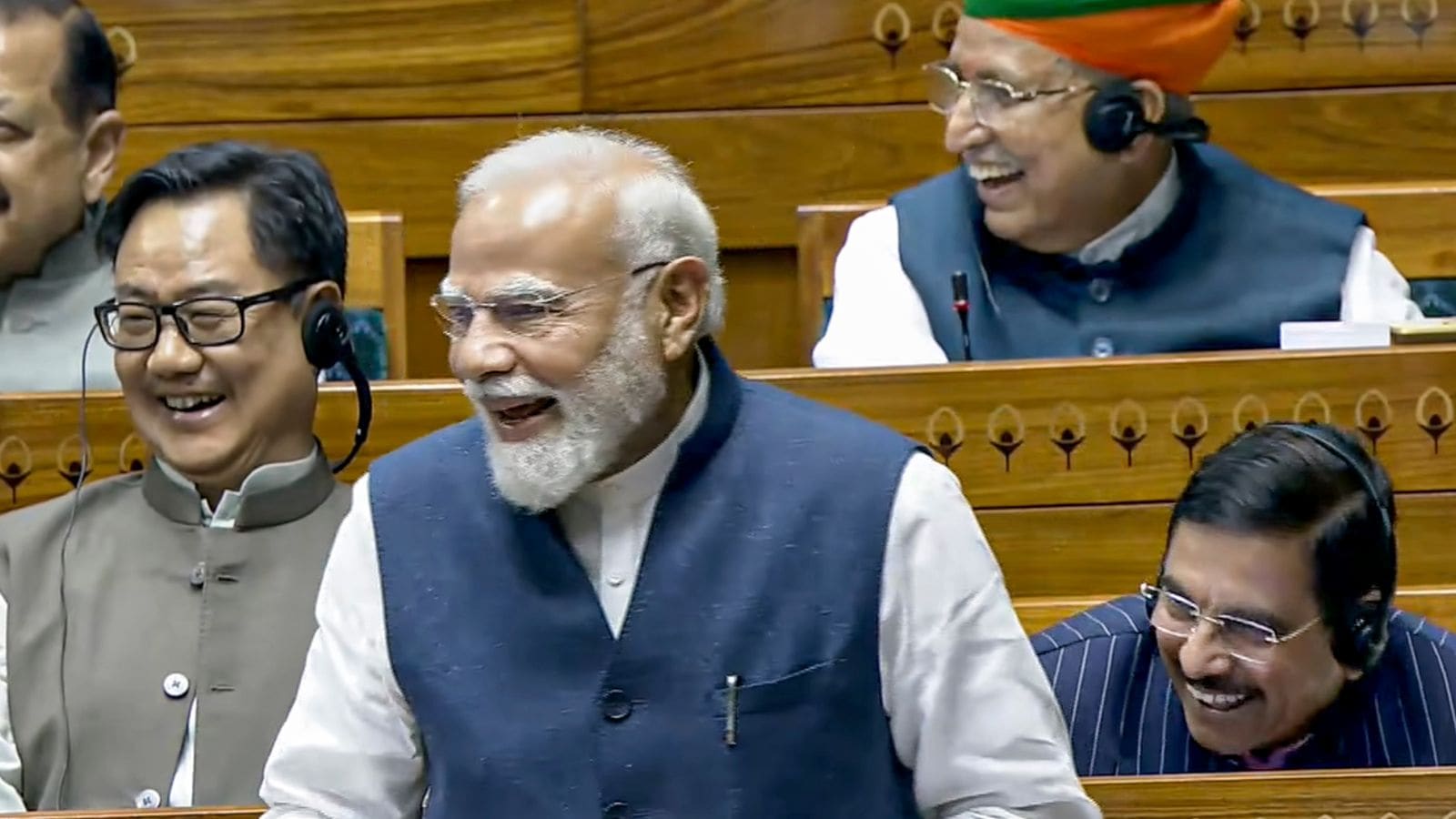
PM Modi’s Push on Women’s Quota and Delimitation Bills: A High-Stakes Political Gambit
Prime Minister Narendra Modi urged Parliament to pass three crucial Bills on women’s reservation and delimitation, warning opposition parties to support them or face political consequences.
On April 17, 2026, Prime Minister Narendra Modi took to the Lok Sabha floor with a stark message: opposition parties must back the government’s trio of Bills centered on women’s reservation and electoral delimitation or risk alienating voters and being seen as opponents of women’s rights and national unity Indian Express. The Bills include a landmark Women’s Reservation Bill, which seeks to reserve 33% of legislative seats for women, and delimitation legislation aimed at redrawing constituency boundaries to reflect changing demographics. Modi framed the issue as a litmus test of parties’ commitment to “Viksit Bharat” and social justice.
Why This Matters: Women’s Quotas and Electoral Equilibrium
The Women’s Reservation Bill, first introduced decades ago but repeatedly shelved, has become a symbolic and substantive milestone for gender equality in Indian politics. Empowering women legislatively not only addresses representational imbalances but also reshapes political priorities toward issues affecting half the population. Passing this Bill now holds particular resonance as India courts a young, aspirational electorate increasingly vocal on gender inclusion.
The delimitation Bills complement this by recalibrating electoral constituencies based on the latest census data—potentially redrawing the political map, benefiting some regions or parties over others. Given India’s complex caste, regional, and community-based voting patterns, delimitation can tilt electoral advantages, intensifying opposition anxieties. Modi’s ultimatum signals the government’s confidence that the combined weight of women’s empowerment and demographic fairness will consolidate the Bharatiya Janata Party’s (BJP) political capital.
Opposition parties face a delicate balancing act. Rejecting the Women’s Reservation Bill risks alienating women voters and progressive allies. Yet some opposition factions worry that delimitation might marginalize their traditional strongholds or upset existing caste equations. Modi’s “back it or face consequences” rhetoric hints at a broader electoral strategy: national unity framed around development and women’s rights as core BJP values versus fragmented opposition resistance.
What to Watch Next: Parliamentary Battles and Electoral Ripples
The Bills will test parliamentary arithmetic and political resolve. Success requires careful negotiation within Parliament and among party allies. If passed, the changes could reshape India’s legislative landscape before the 2029 general elections, bolstering women’s political representation and shifting regional power balances.
Watch how opposition parties respond—not just in voting but in public messaging. Some regional parties might leverage local concerns over delimitation to build political capital even as they support women’s reservations selectively. The government’s framing of the Bills as integral to “Viksit Bharat” also sets the stage for a narrative battle heading into Maharashtra and Uttar Pradesh state elections, where women’s votes and demographic shifts are decisive.
This is more than a procedural legislative move; it is a high-stakes gambit shaping India’s democratic texture and gender politics amid evolving electoral dynamics. The crackdown on dissenters marked by Modi’s warning signals the BJP’s intention to dominate the reform agenda unchallenged.
For more on India’s political landscape and gender policies, see our India Country Profile and
Global Politics pages.
Discover more
India
India's Women’s Reservation Bill Reshapes Pol
India's new bills pair a 33% women's reservation with sweeping delimitation, reshaping Lok Sabha representation and reviving the north-south political divide.

India
Modi's Women's Reservation Bill
PM Modi distanced himself from credit for the Women's Reservation Bill, a strategic move shifting responsibility to the opposition while touting inclusion.

India
Modi's Women's Quota
PM Modi insisted India's 33% women's quota in Parliament won't disadvantage others, framing it as a vital step toward closing the gender gap in politics.

Economics
Fed's Amex AML order puts correspondent banking on notice
Federal Reserve's Amex AML order requires board-level controls and a 90-day plan; OCC fined the bank $350 million over enterprise-wide deficiencies.