India's Women’s Reservation Bill Reshapes Pol
Historic bills aim to boost women's representation in India
Model Diplomat3 min readIndia
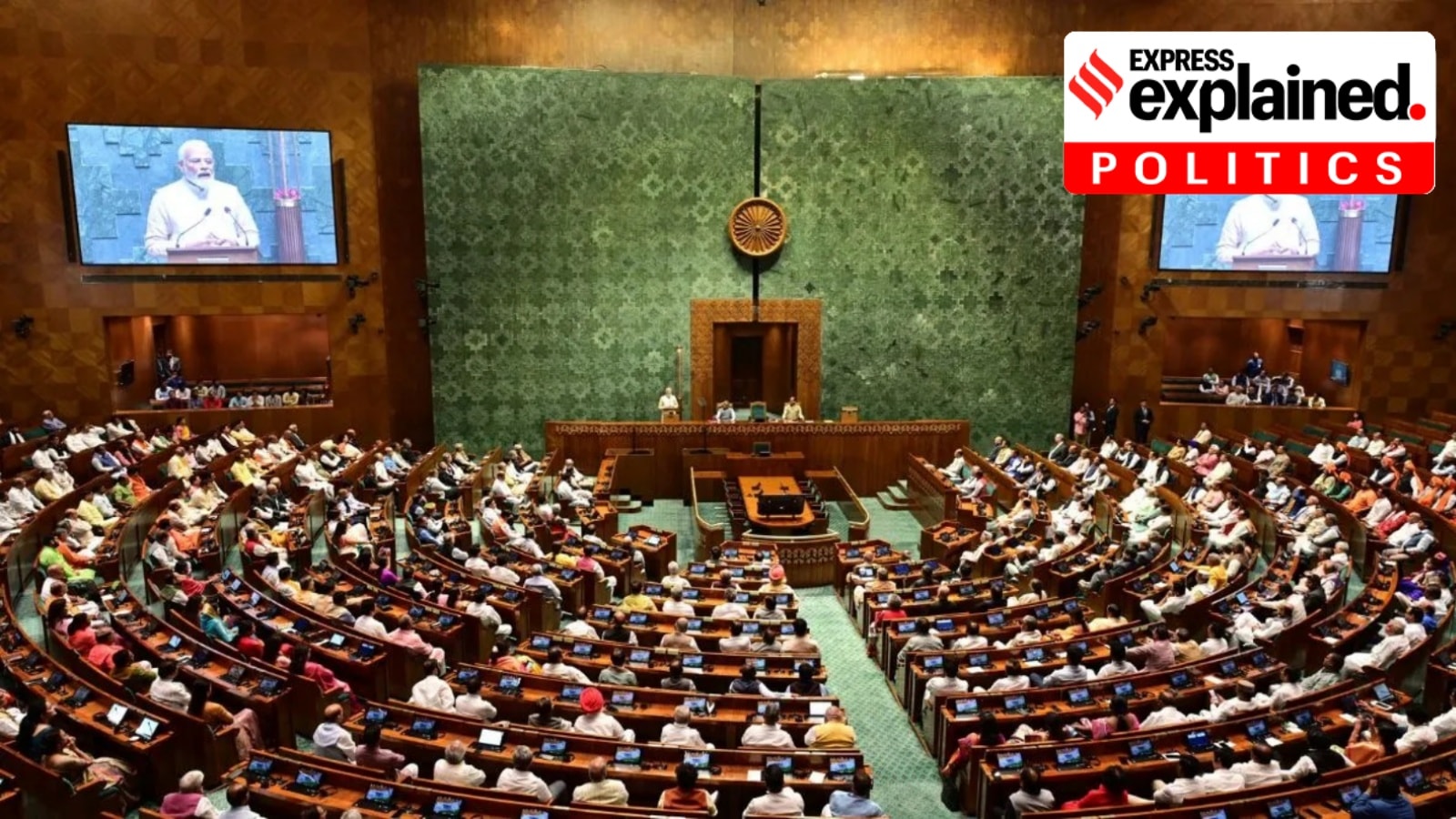
Women’s Reservation and Delimitation Bills Shake Up India’s Political Map
India’s government proposes expanding Lok Sabha seats to implement 33% women’s reservation, raising North-South representation debates and altering parliamentary dynamics.
India’s ruling coalition unveiled three key Bills on April 15, 2026, intending to implement a historic 33% reservation for women in the Lok Sabha and state legislatures. The catch: this quota rollout is tied to a fresh delimitation exercise conducted after the next Census. This delimitation will redraw constituencies, potentially increasing the Lok Sabha size dramatically from 543 seats to as many as 850. Of these, up to 815 MPs would come from states and 35 from Union Territories.
Why This Matters: Unlocking Women’s Representation While Reshaping Political Power
The promise of a third of parliamentary seats reserved for women is a landmark moment in Indian democracy. Since the 1990s, discussions to guarantee women’s representation have stalled over fears of disrupting existing political calculations. Now, by linking women’s reservation to delimitation (boundary redrawing based on population), the government aims to break the impasse.
But delimitation has always been a politically explosive issue in India. The last major delimitation was frozen in 2000, preserving the number of seats allocated to states based on the 1971 Census numbers. This freeze was meant to balance population growth disparities—primarily between the faster-growing northern states like Uttar Pradesh, Bihar, and Rajasthan, and southern states like Tamil Nadu and Kerala.
Here, the increase from 543 to 850 seats hints at significant changes:
- Increasing Northern Clout: States in North and East India, which have seen population rises, stand to gain the most seats. This shifts political influence further toward regions that are already dominant in national politics.
- Southern States’ Concerns: States in the South, which have kept population growth low through family planning success, risk losing relative weight. This has historically fueled political tensions between the North and South.
The inclusion of up to 35 MPs from Union Territories (UTs) is another novel element. UTs have had fewer representatives historically. This change may enhance voices from regions like Delhi, Chandigarh, and the recently created UTs such as Ladakh, further diversifying parliamentary representation.
Balancing the North-South Divide and Political Stakes
The North-South divide in India’s politics shapes everything from economic policy to cultural identity. This delimitation could reinforce northern dominance, altering the balance of power that had been somewhat contained by the delimitation freeze.
At the same time, the women’s reservation clause could tilt candidacies and campaigning strategies nationwide. Parties will have to field more women candidates, possibly invigorating grassroots political participation and shifting policy priorities. However, the larger Lok Sabha pool means parties might also use reserved seats strategically, increasing candidate volume to maximize influence.
From a federalism angle, states with increasing seat counts could wield more say over national decision-making, raising questions about resource allocation, regional development priorities, and inter-state political competition.
What to Watch Next
- Final Delimitation Process and Census Outcome: The next Census, expected in 2031, will provide the population data that drives seat redistribution. Political battle lines will be drawn early as states lobby for favorable boundaries.
- Implementation Timeline for Women’s Reservation: Legal and logistical challenges loom around transitioning to reserved seats tied to new constituencies. Political opportunism or resistance could slow this historic reform.
- Political Party Strategies: How national and regional parties reposition around a larger Lok Sabha with more women and shifting regional representation will shape electoral contests.
- South Indian States’ Response: Already wary of losing influence, southern states could assert political pushback, either through alliances or judicial challenges.
This triple-Bill move is more than a measure on women’s empowerment—it’s set to redraw the political map of India at a fundamental level, influencing regional dynamics and democratic representation for decades.
For more on India’s political landscape, see India’s profile. For broader ramifications, visit
Global Politics.
Sources:
Discover more
India
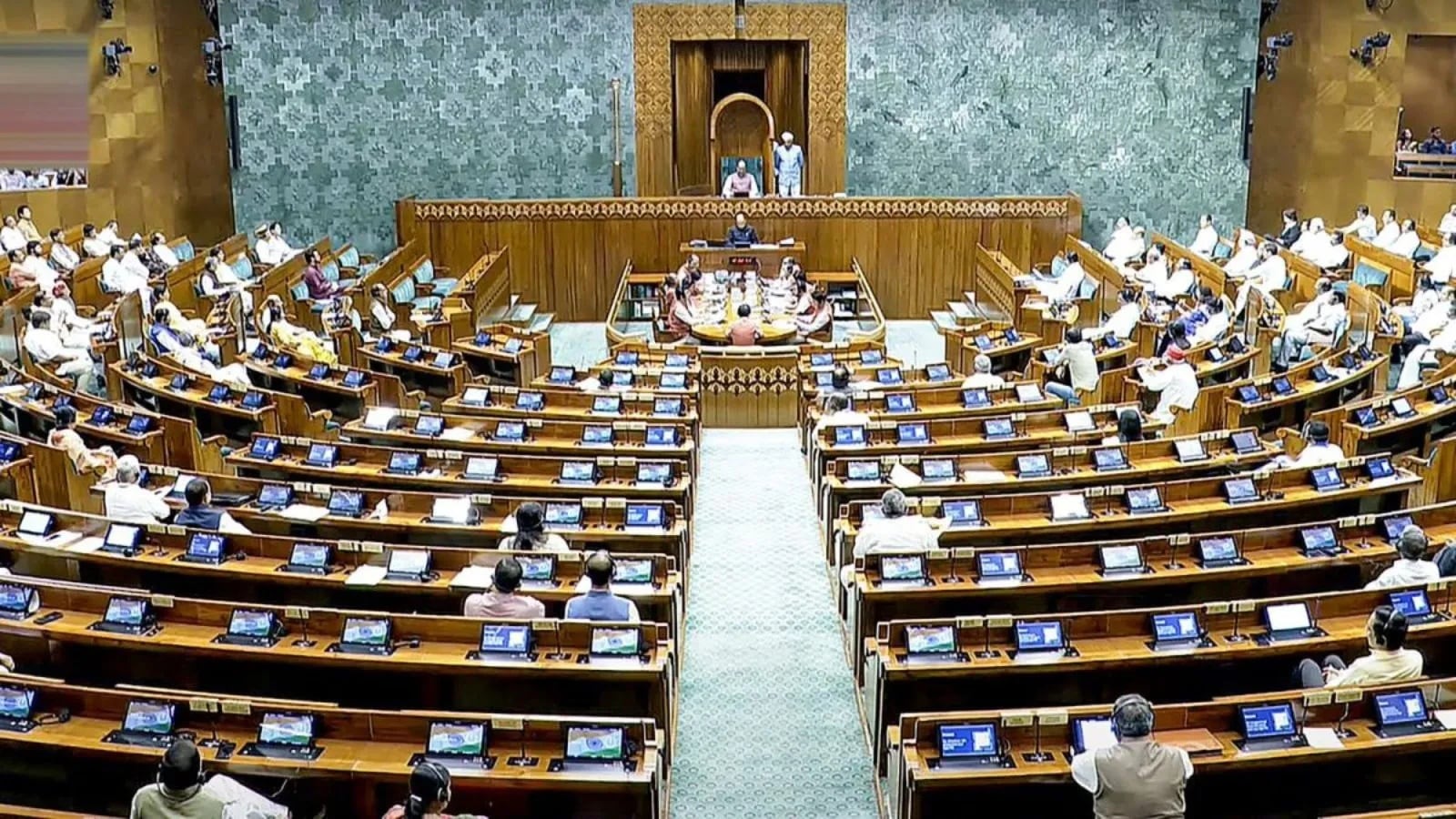
India's 2026 Delimitation Bills
India's 2026 delimitation Bills end the ten-year cycle and propose major electoral changes, stirring regional tensions over political power and representation.

Economics
Fed's Amex AML order puts correspondent banking on notice
Federal Reserve's Amex AML order requires board-level controls and a 90-day plan; OCC fined the bank $350 million over enterprise-wide deficiencies.
Conflict & Security
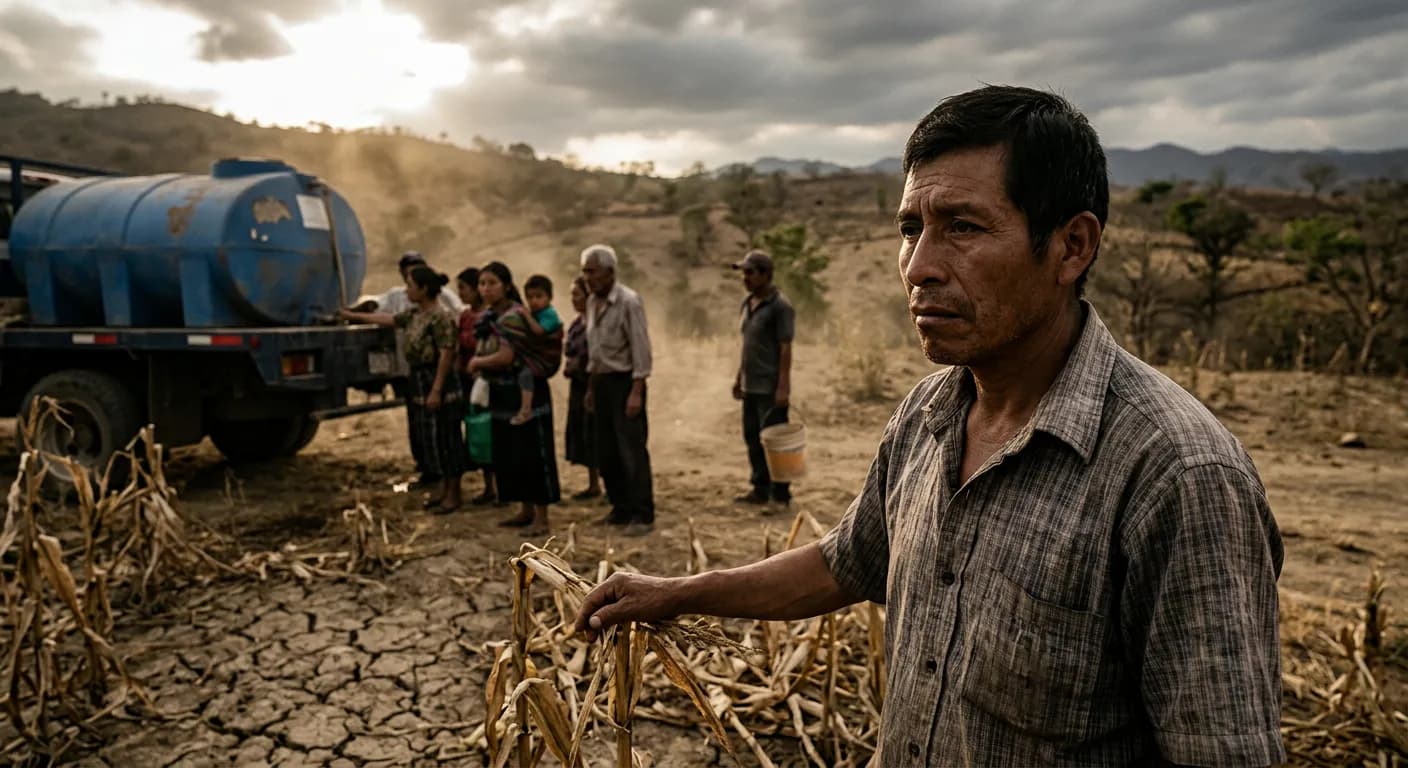
Guatemala: El Niño 2026–27 becomes regional security test
UNICEF: 25.8M children face El Niño risks in Latin America; Guatemala maps 188 municipalities for drought and food insecurity amid regional security test.

Economics
Fed's stress-test overhaul is a capital-smoothing exercise
Federal Reserve finalized stress-test overhaul: two-year averaging for bank capital buffers and public input, expected to halve volatility.