Putin’s Firepower Play: Russia's Air Assault
Russia's bombardment reveals limits of Ukraine's air defenses.
Model Diplomat3 min readEurope
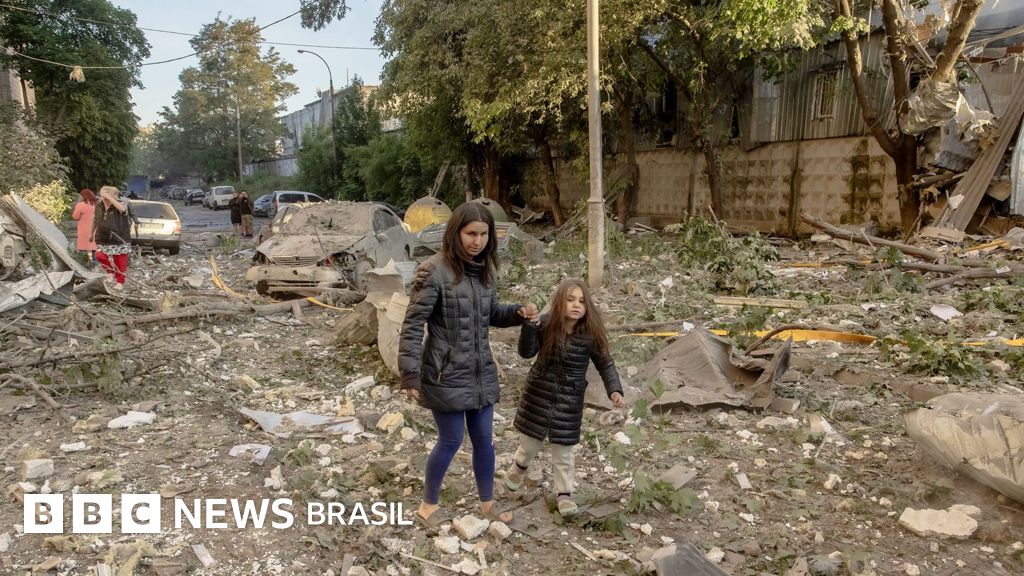
Putin’s Firepower Play: Russia's Air Assault on Ukraine
Russia’s latest bombardment exposes the limits of Kyiv’s air defenses and shifts pressure back onto Washington’s stalled military aid.
On June 2, 2026, Russia launched one of its most expansive coordinated air attacks in months against major Ukrainian urban centers, including Kyiv, Dnipro, Kharkiv, Zaporizhzhia, and Poltava. According to Ukrainian Air Force reports cited by Portugal's Diário de Notícias, Russian forces deployed an overwhelming package consisting of 656 strike drones and 73 missiles—including high-speed ballistic, cruise, and anti-ship variants.
Moscow framed the barrage as a direct reprisal for Ukrainian tactical strikes on Russian-held territory, specifically pointing to a drone attack on a dormitory in Russian-controlled Luhansk in late May, as detailed by G1. However, the scale and target profiling of the operation—destroying critical energy infrastructure, residential complexes, and military manufacturing facilities—suggest a broader operational intent. Russia is exploiting a critical, well-documented depletion in Ukrainian air defense interceptors to degrade Kyiv’s industrial capacity and break civilian morale before any potential diplomatic push.
The Leverage Game: The Battle for Interceptors
The primary bottleneck for Ukraine is not the lack of launch platforms, but the dwindling supply of interceptor missiles, particularly for US-made Patriot systems. As analysed by the Center for Strategic and International Studies (CSIS), direct U.S. military aid allocations effectively ceased under the Trump administration, forcing Kyiv to rely on the West European-financed Prioritized Ukraine Requirements List (PURL) to purchase American hardware.
This financial and logistical friction has created a dangerous lag. While Ukraine claimed to intercept over 600 drones and 40 missiles during the June 2 raid, at least 33 ballistic missiles slipped through the defensive umbrella. This matches warnings sent just days prior by President Volodymyr Zelenskyy in a direct letter to the U.S. administration, reported by Reuters, where he argued that ballistic missiles remain Moscow’s last major conventional advantage on the battlefield. Without robust, immediate deliveries of Patriot refills, Ukraine’s rear military industries and population centers will remain highly vulnerable to saturation tactics.
Who Benefits, Who Loses, and What to Watch Next
For Moscow, the offensive demonstrates that despite international pressure and tentative diplomatic overtures, the Kremlin retains the escalation dominance necessary to dictate the terms of any future Conflict resolution. Russian President Vladimir Putin is using missile campaigns to show that temporary arrangements, like the brief three-day ceasefire brokered by the U.S. in early May, will not prevent Russia from systematically grinding down Ukraine's economic and military foundations.
For Washington, the strike tests the administration’s leverage. The White House has attempted to balance domestic political demands to limit direct funding with the geopolitical necessity of preventing a total Ukrainian collapse. If the U.S. continues to stagger or pause critical shipments, European capitals will have to rapidly expand their own funding for the PURL mechanism to keep Ukrainian skies protected.
The critical metric to monitor in the coming weeks will be the official U.S. response to Zelenskyy’s urgent request for dedicated Patriot interceptor sales. If Washington approves an expedited package, it will signal a willingness to keep Ukraine viable enough to hold the line. If the U.S. remains silent, expect Moscow to intensify these high-volume saturation strikes to force Kyiv into asymmetrical concessions at the negotiating table.
Discover more
Global
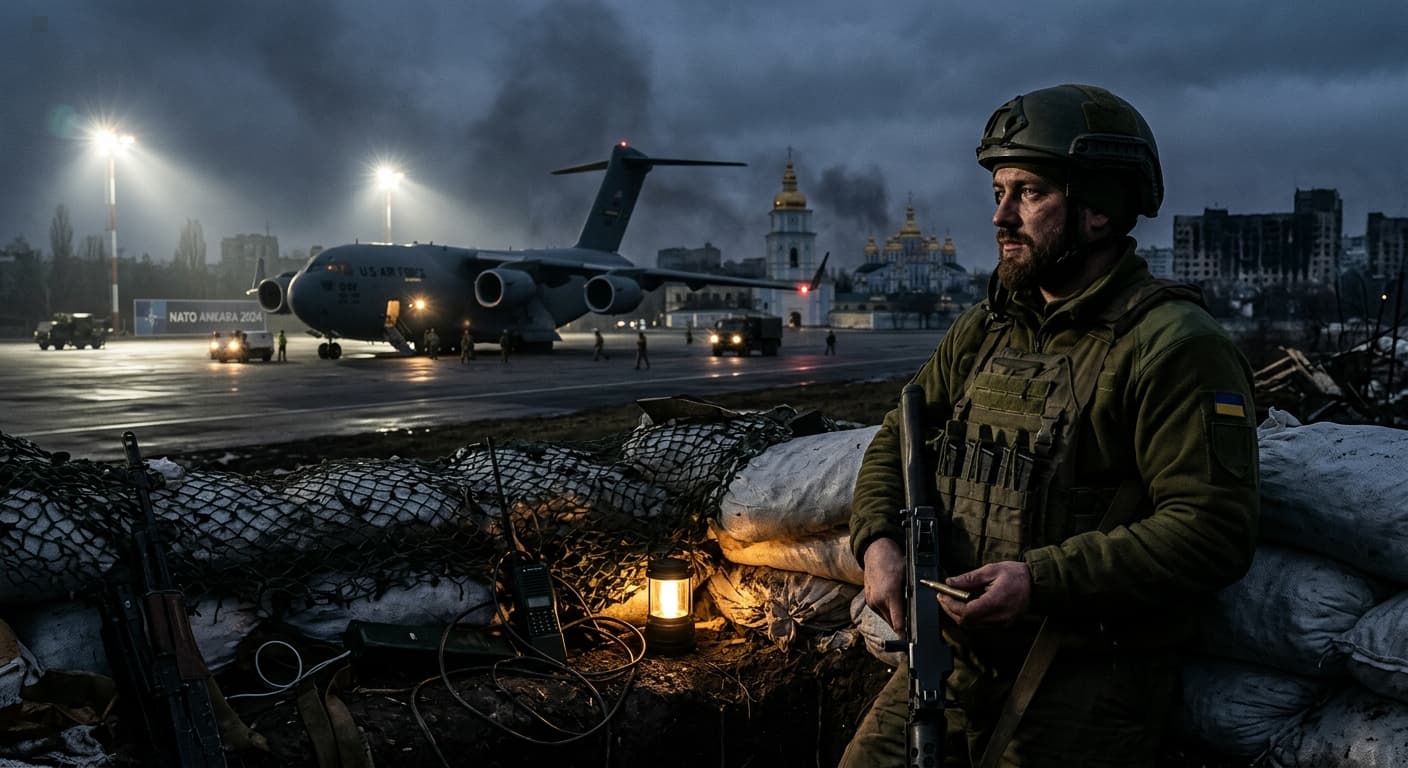
Kyiv's Empty Quiver: Ankara Summit on NATO
As Russia strikes Kyiv, NATO's Ankara summit must address Ukraine's urgent air defense needs amid dwindling interceptor supplies.

India
Russia's Balancing Act with India and China
Russia's deepening dependence on China is straining its long-standing strategic partnership with India, exposing the limits of Moscow's balancing act in Asia.
Conflict & Security
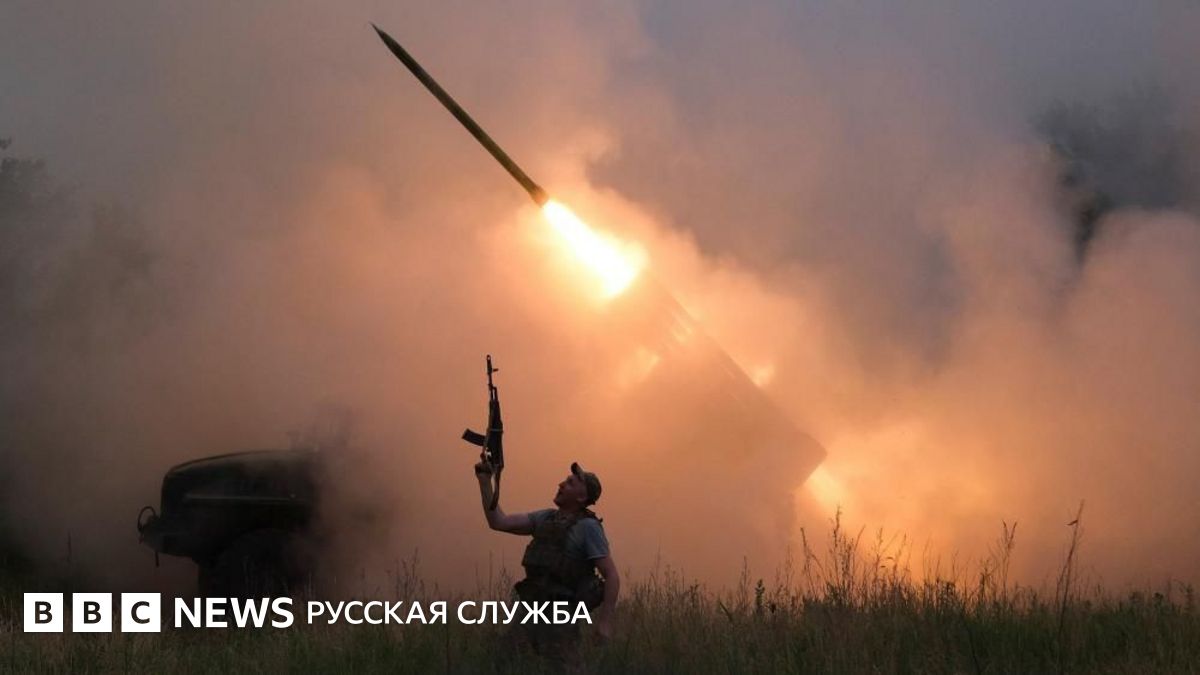
Russia Encircles Konstantinovka—Key to Donbas
Russia's encirclement of Konstantinovka could unlock the wider Donbas for further advances, marking a pivotal moment in its grinding eastern offensive.
Conflict & Security
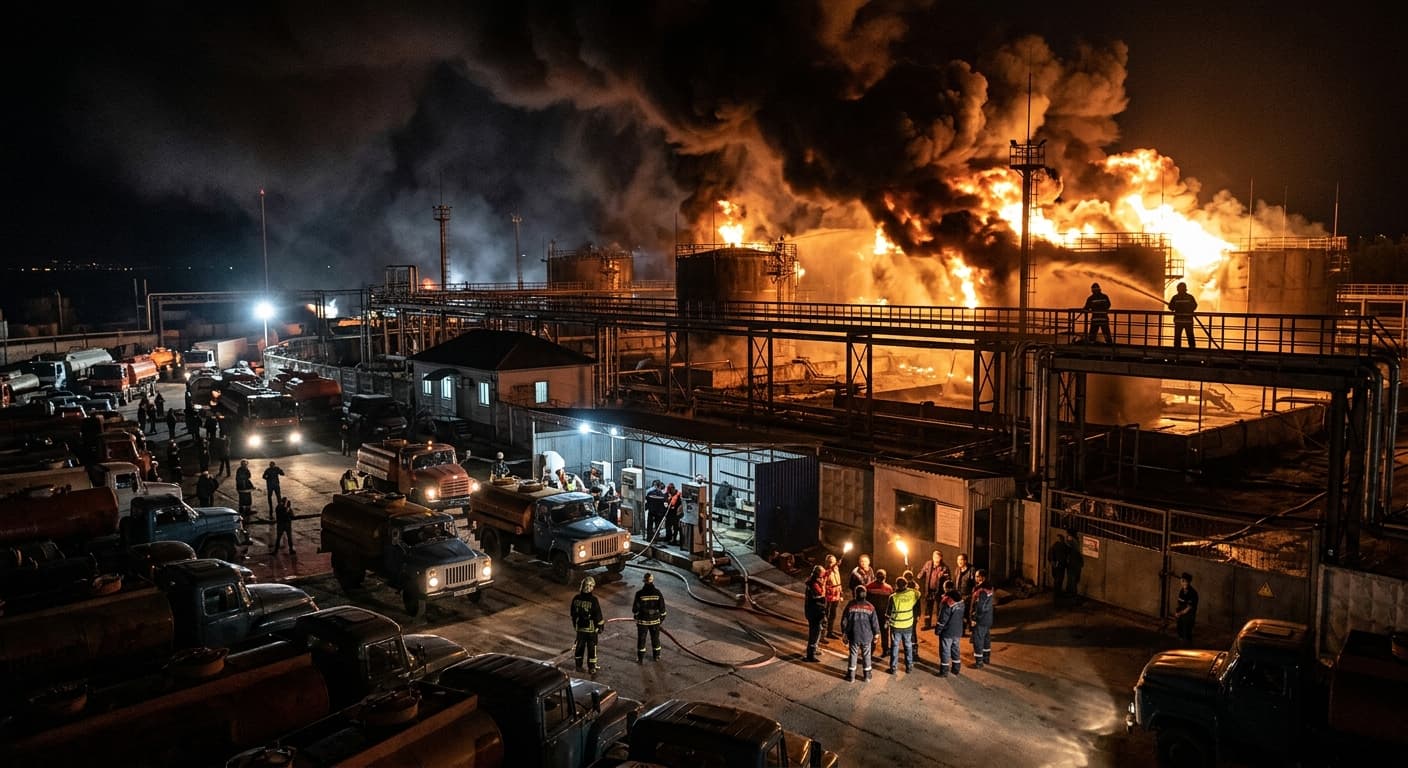
Ukraine's Energy Offensive Hits Crimea
Ukraine's drone campaign is disrupting Russian fuel supplies and forcing rationing in Crimea, turning energy infrastructure into a key front of the war.