Modi's Women's Reservation Bill
Analyzing PM Modi's approach to the Women's Reservation Bill
Model Diplomat3 min readIndia

Modi’s Women’s Quota Bill Play: A Strategic Signal to Opposition and Electorate
PM Modi's sharp remarks in Parliament on the women's reservation bill show a calculated mix of political distancing and populist outreach as the bill stalls.
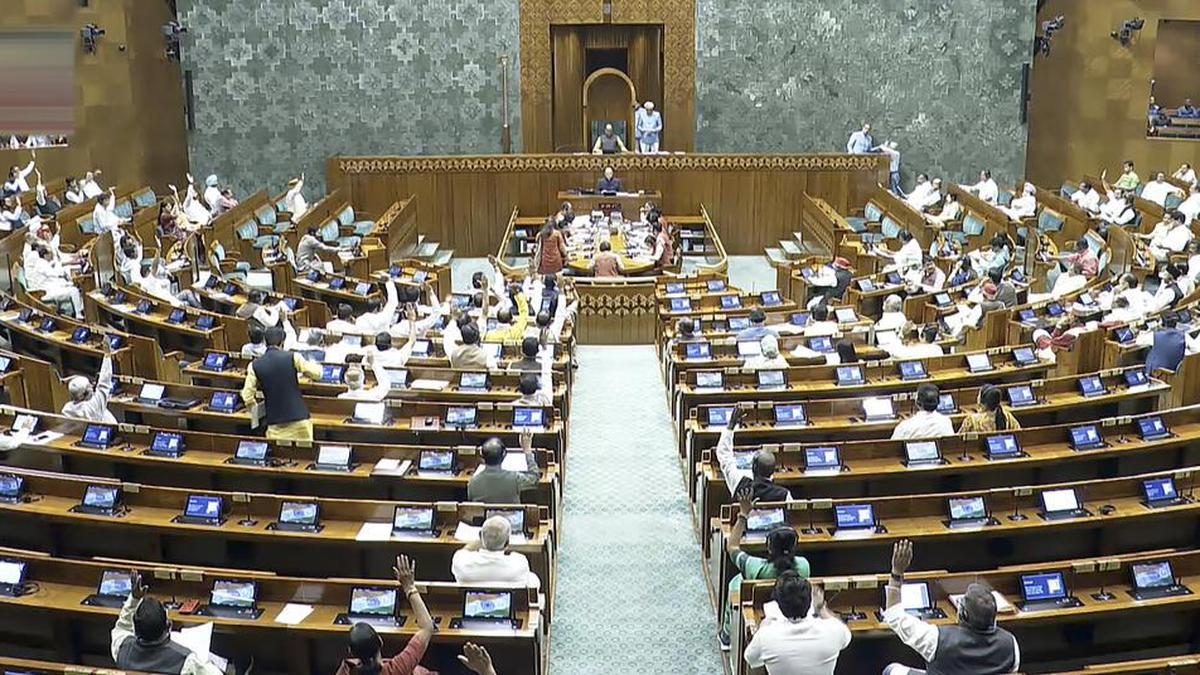
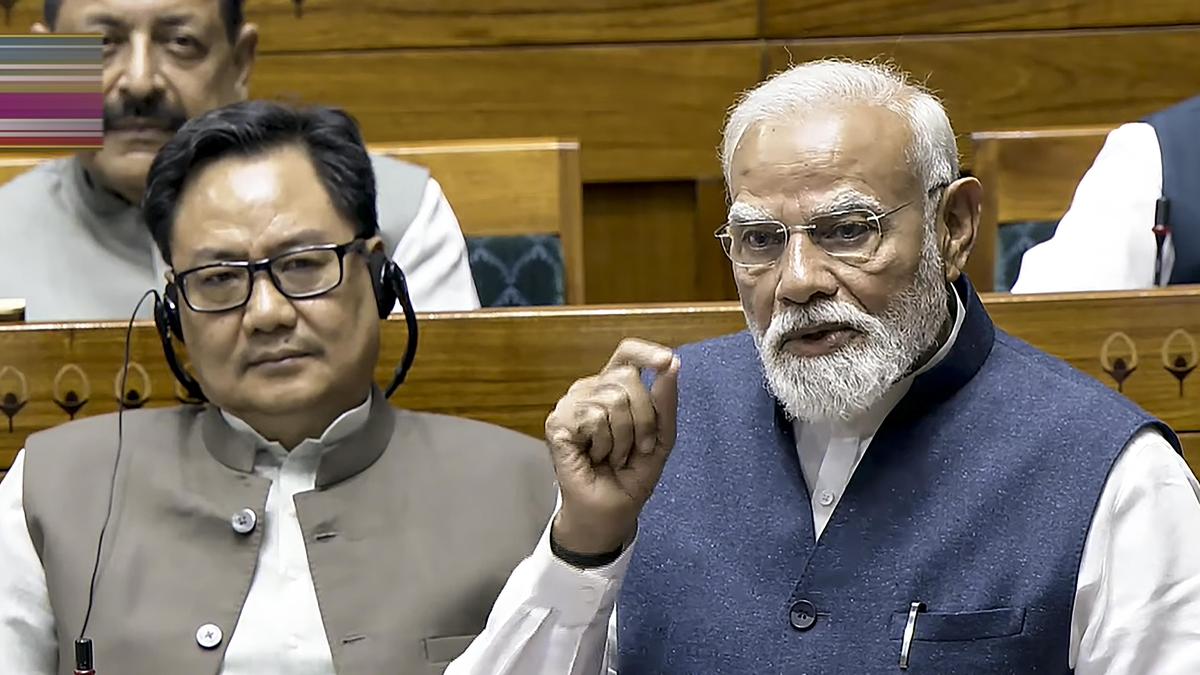
On April 17, 2026, Prime Minister Narendra Modi made a notable intervention during the ongoing Parliament debate on the Women’s Reservation Bill, which proposes reserving 33% of seats in the Lok Sabha and state assemblies for women. Modi declined to claim credit for the bill, instead suggesting a government-funded full-page advertisement spotlighting anyone’s photo once the bill passes, sarcastically inviting opposition parties to take credit Hindustan Times.
Why Modi Is Deflecting Credit
Modi’s rhetorical move reveals a clear political strategy. The Women’s Reservation Bill, which has lingered in Parliament for decades with repeated failure due to opposition resistance, is politically sensitive. By publicly refusing credit, Modi distances his government from current impasses and aims to shift responsibility squarely onto the opposition. This simultaneously projects an image of magnanimity and sets a trap—if the bill passes, the government’s offer to promote anyone's photo in a full-page ad frames the bill’s passage as a bipartisan achievement, undermining opposition claims.
This is important because the bill has broad public support but fractures along party lines. Modi, representing the Bharatiya Janata Party (BJP), wants to capitalize on the progressive optics without being portrayed as the bill's sole architect. This distancing can protect him from backlash if the bill faces legislative hurdles or triggers unanticipated political costs within his coalition or electorate segments.
The Broader Political Context: Women’s Reservation in India
The women’s quota issue taps into a long-standing democratic reform debate. Since the 1990s, reservation for women in local government (panchayats) led to measurable increases in women's political participation and local governance outcomes. However, extending this reservation to Parliament and state assemblies has been fraught with legal, political, and social challenges.
Opposition parties, including Congress and regional outfits, have pledged varying support but often accuse the BJP of symbolic gestures without substantive commitment. Modi's jibe reflects this tension, where promises of gender empowerment intersect with realpolitik and electoral calculations.
Given India’s complex social fabric, opposition worries include feared dilution of meritocracy or reservation benefiting elite women rather than grassroots representatives. Modi’s playful but pointed remark about “credit” captures this ambivalence and the delicate balancing act for all parties involved.
What to Watch Next
- Legislative Momentum: The immediate question is whether the bill gains enough traction in the Lok Sabha and Rajya Sabha or if it faces further stall tactics. Modi’s framing could pressure opposition parties to commit publicly, forcing a political showdown.
- Public Reaction and Media Campaigns: Should the bill pass, watch for the government’s execution of its promised publicity blitz. The "full-page advertisement" gambit is unusual and could shift public discourse, emphasizing women leaders across party lines to bolster a gender-inclusive image for policymakers.
- Opposition Response: How opposition parties respond to Modi's challenge—either embracing joint credit or rejecting the narrative—will reveal their strategic priorities heading into upcoming state elections and the 2029 general election cycle.
Modi’s move on women’s reservation is more than political theater; it highlights the intricate play of gender reform, party politics, and image management in India’s vibrant democracy. For those tracking India’s political landscape, this episode underscores the evolving tactics leaders use to balance progressive demands with electoral pragmatism.
This article draws on the latest parliamentary session coverage and analysis of India’s women’s reservation politics. For a broader perspective on India’s political dynamics, see our India country profile.
Discover more

India
Modi's Women's Quota
PM Modi insisted India's 33% women's quota in Parliament won't disadvantage others, framing it as a vital step toward closing the gender gap in politics.
India
India's Women's Reservation Bills
The BJP's women's reservation push needs opposition support to clear constitutional amendments, a key hurdle shaping representation ahead of 2029 elections.
India
Modi's Delimitation Bill
PM Modi pledged fairness in the 2026 Delimitation Bill, vowing to preserve state representation amid rising political tensions over redrawn seats across India.

Economics
Fed's Amex AML order puts correspondent banking on notice
Federal Reserve's Amex AML order requires board-level controls and a 90-day plan; OCC fined the bank $350 million over enterprise-wide deficiencies.