India's Women's Reservation Bills
Modi's government seeks opposition backing for women's reservation.
Model Diplomat3 min readIndia
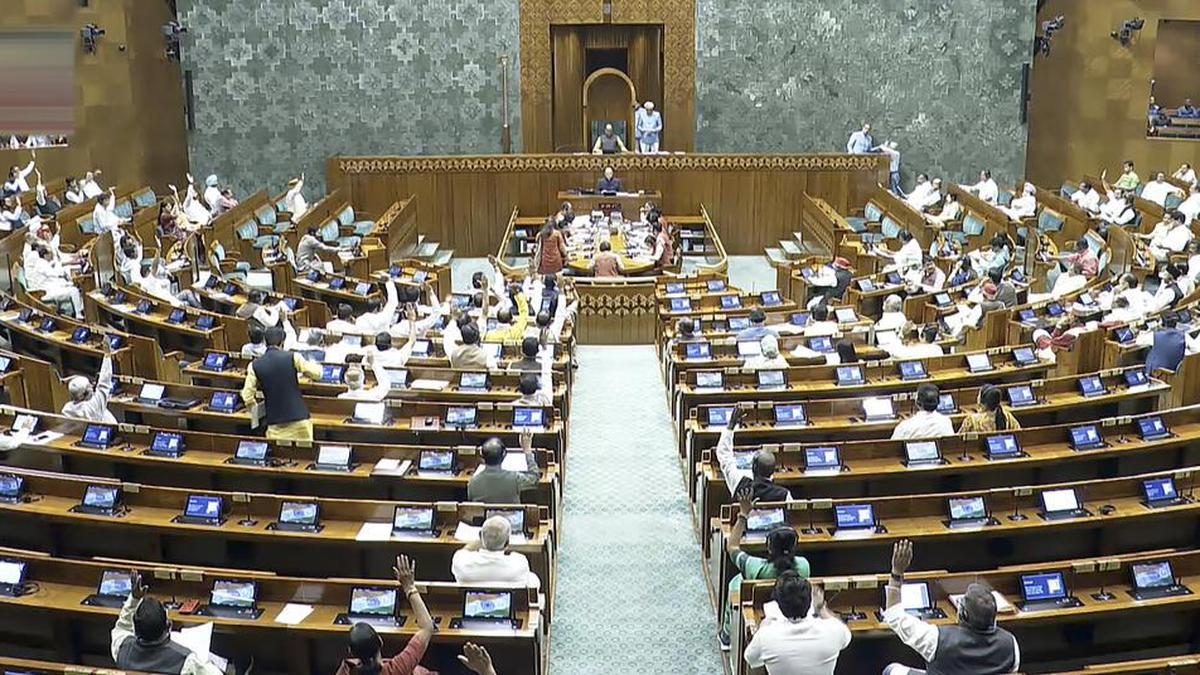
Opposition Support Crucial for Passing Women's Reservation Bills in India
India’s government faces a tough path to amend the Constitution for women's political reservation and delimitation without opposition backing.
The Narendra Modi government is pushing for the passage of three critical Bills related to women's reservation in legislative bodies and constituency delimitation, targeting implementation ahead of the 2029 general elections. But as reported by The Hindu, the ruling party falls short of the two-thirds majority in the Lok Sabha required for constitutional amendments, making opposition support indispensable for these Bills’ success (The Hindu).
Why the Bills Matter: Gender Parity and Electoral Redistricting
The push for a women’s reservation Bill aims to constitutionally guarantee 33% of seats in the Lok Sabha and state legislative assemblies for women. After decades of debate and political hesitancy, this move is intended to accelerate female political participation and representation in India’s famously male-dominated polity. While some states have implemented local-level reservations for women, national-level quota legislation has been stalled since the 1990s.
In parallel, the delimitation Bills address the redrawing of electoral boundaries, benchmarked against the latest demographic data. Delimitation impacts how constituencies are carved out and can shift electoral weight among regions and communities. Combining both Bills is a strategic attempt to integrate broader democratic reforms in the electoral system — encouraging both gender parity and fairer representation based on population shifts.
The Calculus of Opposition Support
The Modi government’s Bharatiya Janata Party (BJP) has a significant but not comprehensive majority in the Lok Sabha. Constitutional amendments need a two-thirds majority to pass — well beyond a simple majority. Opposition parties, from the Indian National Congress to regional outfits, hold the swing votes on this.
Historically, women’s reservation Bills have been politically sensitive. Regional parties with strong male leadership have resisted quotas, worrying about power dilution. But the government’s timing — leveraging electoral momentum ahead of 2029 — suggests a political calculation that framing this as a women's empowerment issue can build cross-party consensus.
Winning opposition backing requires delicate negotiations. The BJP may need to offer assurances or amendments addressing opposition concerns around regional representation or the details of reservation mechanisms. This marks a rare instance where cooperation on a landmark social reform could override usual adversarial dynamics in India’s fractured Parliament.
What to Watch Next
The coming weeks are critical for floor debates and behind-the-scenes political bargaining. If the government secures opposition support, it will set a historic precedent in Indian electoral politics — the first constitutional guarantee of reserved seats for women at the national and state levels. Implementation ahead of the 2029 elections could reshape political recruitment, opening the gates for more women leaders.
But if opposition parties block the Bills, the government could face political backlash for stalling long-promised reforms on gender parity. Additionally, unresolved delimitation could leave electoral boundaries outdated, exacerbating regional disparities.
For observers of India's political landscape, this moment reveals negotiation dynamics within a deeply pluralistic democracy where majoritarian power often meets institutional constraints requiring broader consensus.
In sum, the BJP’s ability to clinch this constitutional amendment hinges on convincing an ideologically diverse opposition to back its vision of women’s political empowerment and electoral recalibration — a political tightrope with broad implications for India's democracy.
Discover more
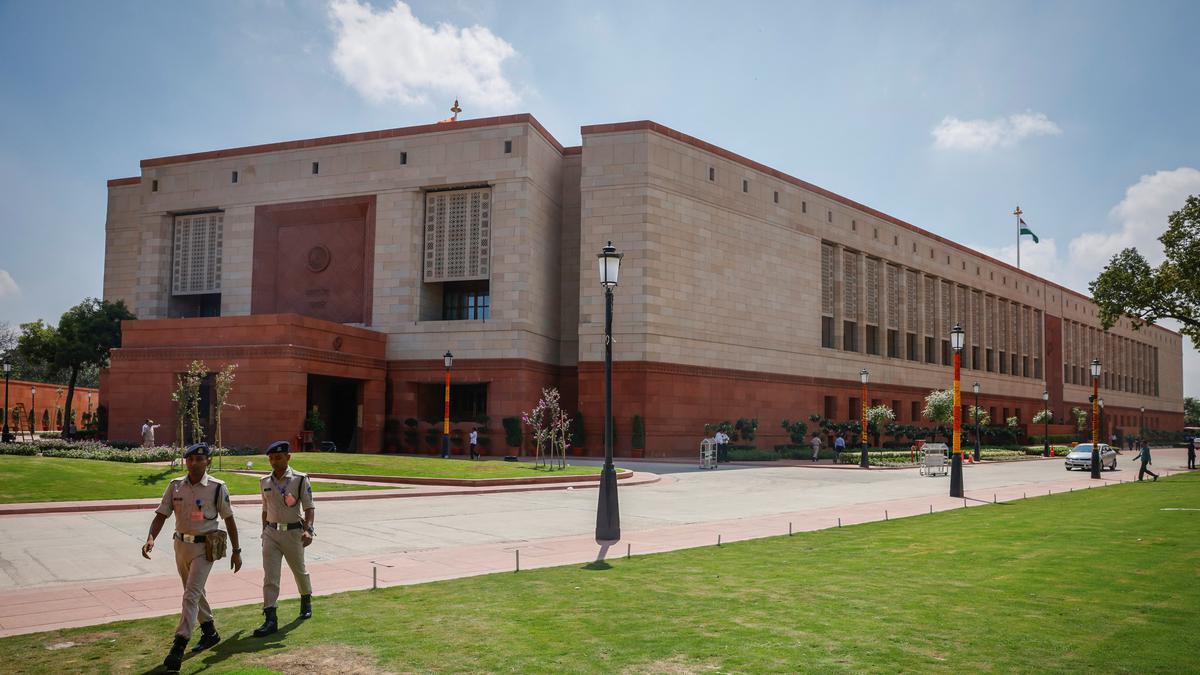
India
India's 33% Women’s Quota in Lok Sabha 2029
India plans to expand the Lok Sabha to 850 seats and reserve 33% for women by 2029, aiming for far greater gender representation in national politics.

Economics
Fed's Amex AML order puts correspondent banking on notice
Federal Reserve's Amex AML order requires board-level controls and a 90-day plan; OCC fined the bank $350 million over enterprise-wide deficiencies.
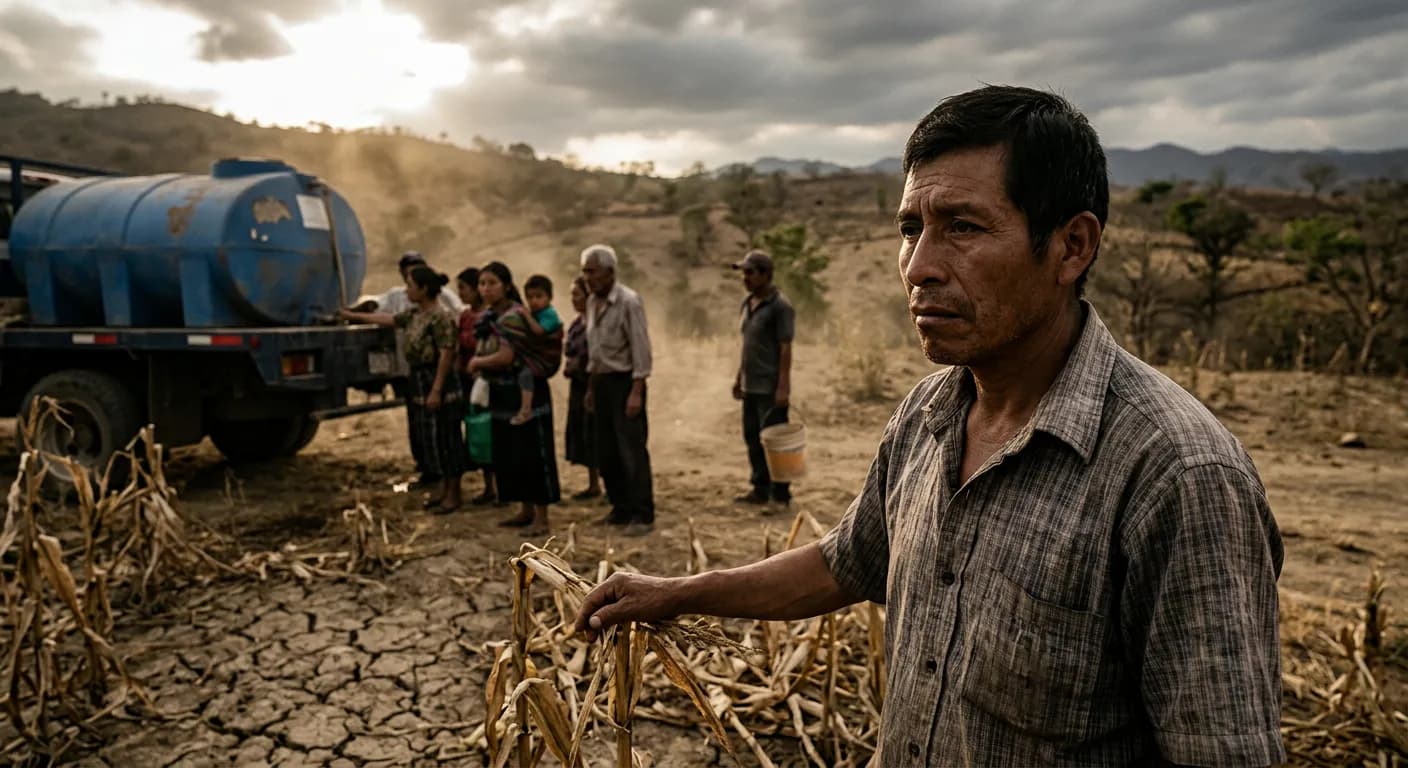
Conflict & Security
Guatemala: El Niño 2026–27 becomes regional security test
UNICEF: 25.8M children face El Niño risks in Latin America; Guatemala maps 188 municipalities for drought and food insecurity amid regional security test.

Economics
Fed's stress-test overhaul is a capital-smoothing exercise
Federal Reserve finalized stress-test overhaul: two-year averaging for bank capital buffers and public input, expected to halve volatility.