Modi's Delimitation Bill
PM Modi promises no state will lose representation in 2026 Bill
Model Diplomat3 min readIndia
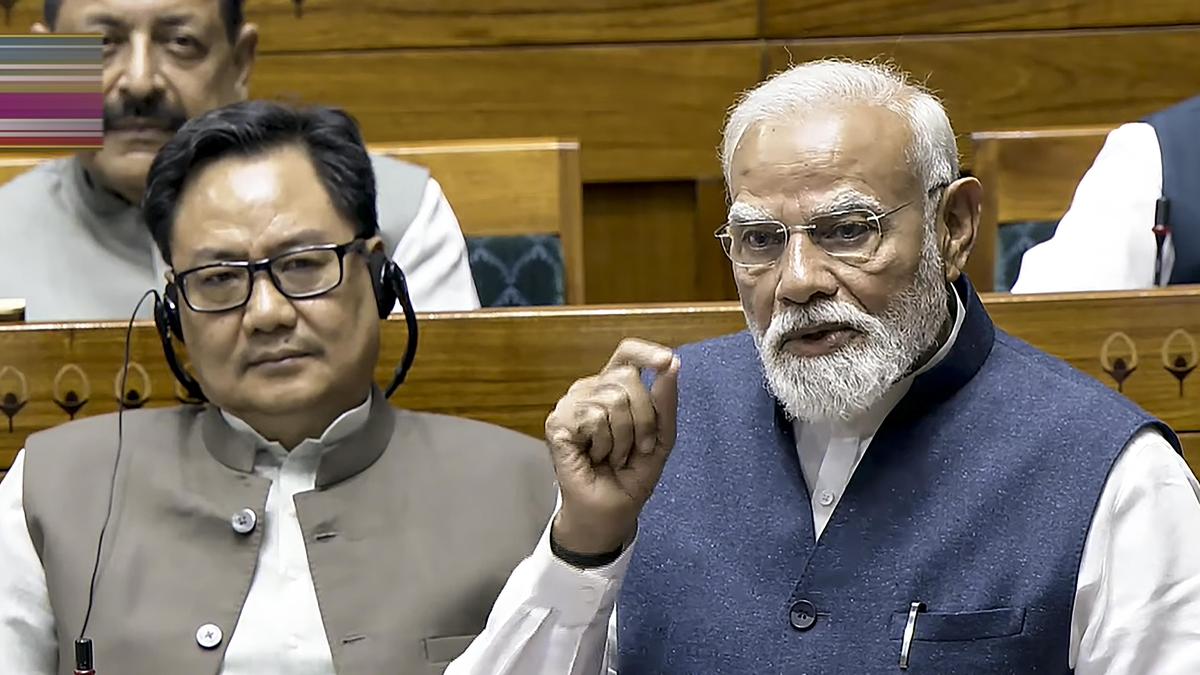
Modi Assures Fairness in Delimitation Bill Amid India's Political Jostle
PM Narendra Modi insists the 2026 Delimitation Bill will preserve state seat shares, seeking broad support in Parliament's April 16 special session.
On April 16, 2026, Prime Minister Narendra Modi addressed the Lok Sabha presenting two politically charged measures: amendments to the Women’s Reservation Act and the Delimitation Bill, 2026. Central to Modi’s speech was his explicit assurance that the delimitation exercise—the redrawing of parliamentary and assembly constituencies—will not "do injustice" to any state, whether from India’s north or south. His key promise: proportional distribution of seats among states will remain intact, a pledge meant to soothe fears that the process could undermine regional representation, particularly in southern states.
Why the Delimitation Bill Matters
Delimitation is a high-stakes issue in India. It reorganizes electoral boundaries to reflect population changes, critically impacting political influence. The process can shift power balances within states and between regions, affecting resource allocation and party strongholds. The last nationwide delimitation happened in 2008, but the 2026 exercise is the first since the 2021 Census data was finalized, making it the most politically consequential in nearly two decades.
Southern states like Tamil Nadu, Kerala, and Karnataka have expressed concerns that delimitation could reduce their representation relative to northern states, which have grown faster demographically. Modi’s statement addresses these fears head-on by promising no state will be discriminated against.
This attempt at reassurance comes as Modi seeks to navigate India’s complex federal fabric, balancing the Bharatiya Janata Party (BJP)’s dominance in the Hindi heartland with the electoral sensitivities of southern and northeastern states. This balance is critical ahead of upcoming state elections in 2027, where opposition parties could capitalize on any perception of northern bias.
Link to Women’s Reservation and Political Strategy
Modi linked the Delimitation Bill appeal with amendments to the Women’s Reservation Act, pushing a progressive agenda to boost women’s political representation. This coupling suggests a broader legislative push to modernize India’s democracy while maintaining equilibrium among states.
The Women’s Reservation Act, which reserves 33% of seats in Parliament and state assemblies for women, has faced long delays. Modi’s push in the same session signals his government’s intent to unlock stalled reforms, potentially reshaping India’s political landscape with more female lawmakers.
What to Watch Next
- State-Level Reactions: Pay close attention to southern and northeastern states. Are promises of proportional representation credible? Any state rejection or protests would signal deepening regional political divides.
- Parliamentary Debate Outcome: Whether opposition parties support both bills or use the delimitation issue to challenge the BJP could influence Modi’s legislative success.
- Impact on 2027 Elections: Changes in constituency lines will affect electoral strategy, candidate selection, and campaign resources, especially in the politically volatile south.
This delimitation exercise is not simply technical but a strategic pivot in managing India’s internal diversity and political future. Modi’s guarantee underscores the stakes for federal balance in a country where constituency lines can reshape power for decades.
For more on India’s political dynamics, see our India profile and
Global Politics.
Source: No state, be it north or south, will be discriminated against in delimitation exercise: PM in LS
Discover more
India
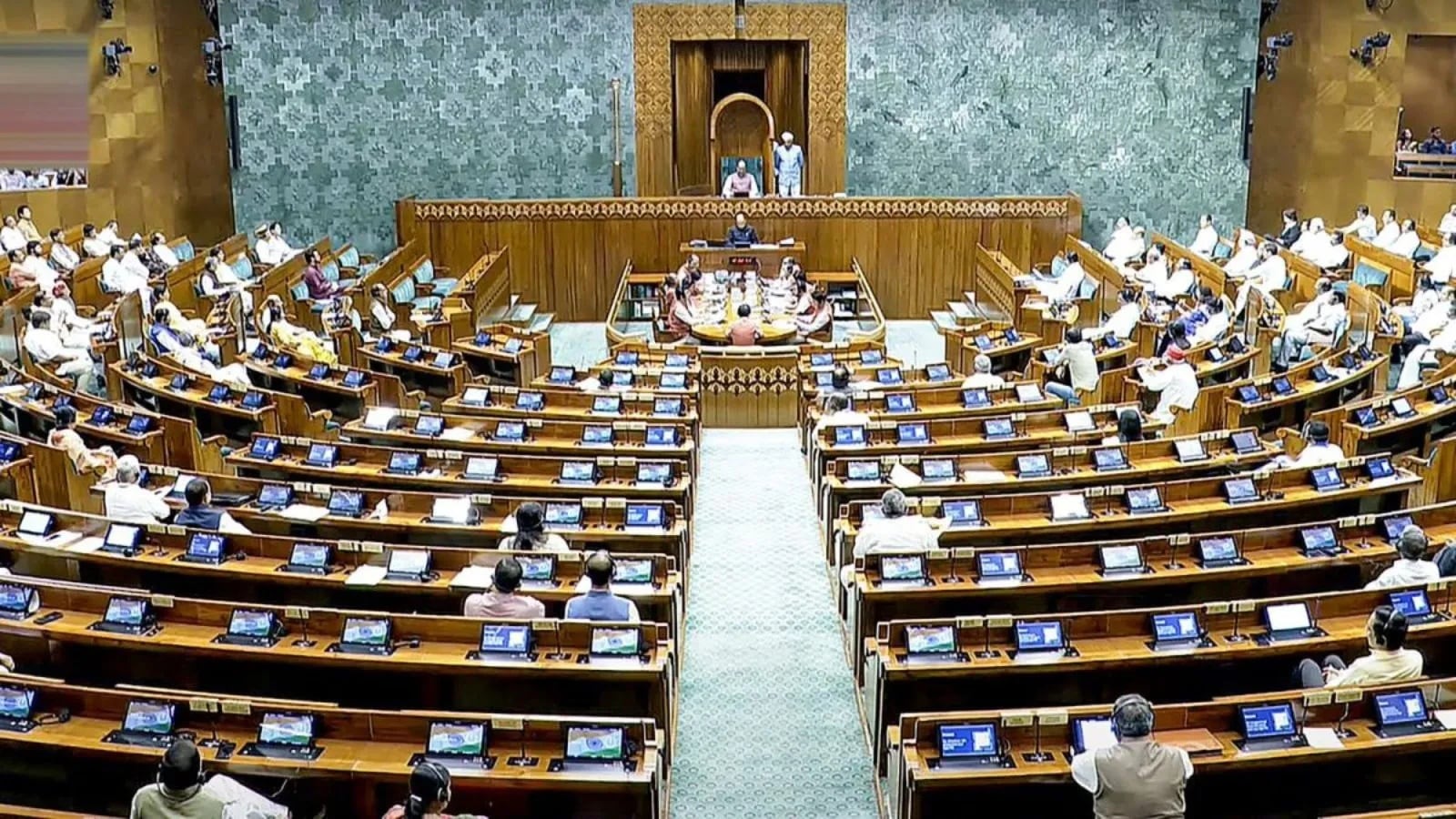
India's 2026 Delimitation Bills
India's 2026 delimitation Bills end the ten-year cycle and propose major electoral changes, stirring regional tensions over political power and representation.
India
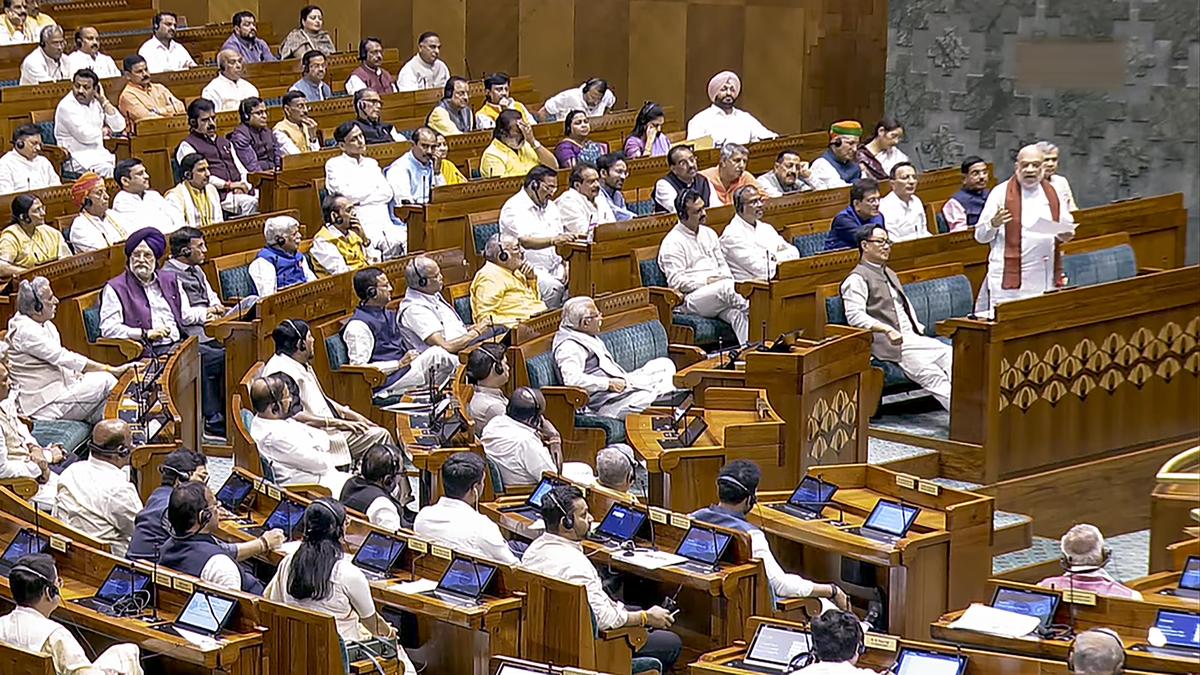
Modi and Shah Assure South India
Modi and Amit Shah promised southern states will keep their parliamentary seats amid delimitation debates, vowing to protect proportional representation.
India
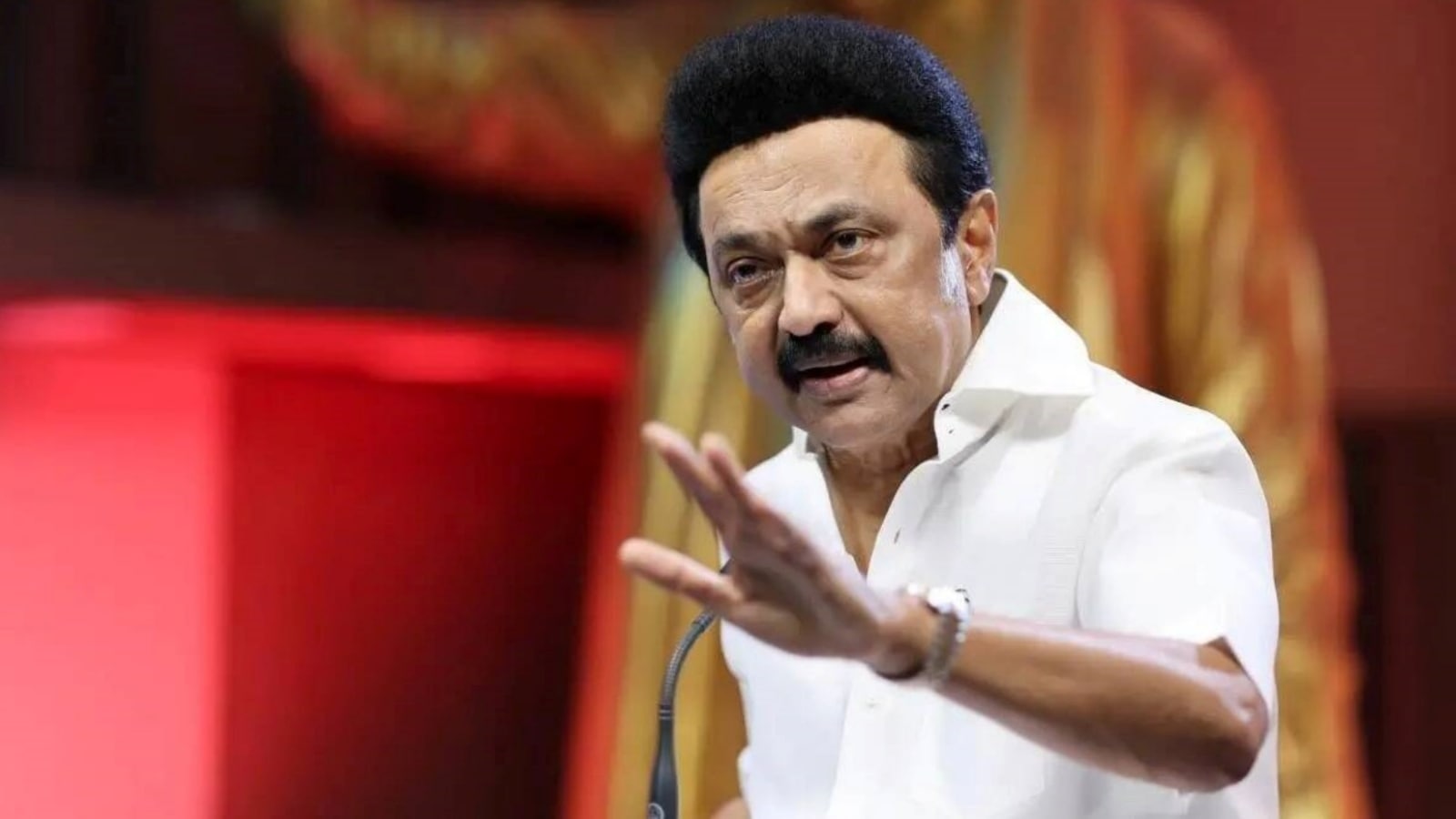
India's Delimitation Debate
India's delimitation plan stokes federal tensions as leaders warn it threatens fair representation and constitutional norms ahead of upcoming elections.

Economics
Fed's Amex AML order puts correspondent banking on notice
Federal Reserve's Amex AML order requires board-level controls and a 90-day plan; OCC fined the bank $350 million over enterprise-wide deficiencies.