India's Delimitation Debate
Controversial seat hike sparks alarm among regional leaders in India.
Model Diplomat3 min readIndia
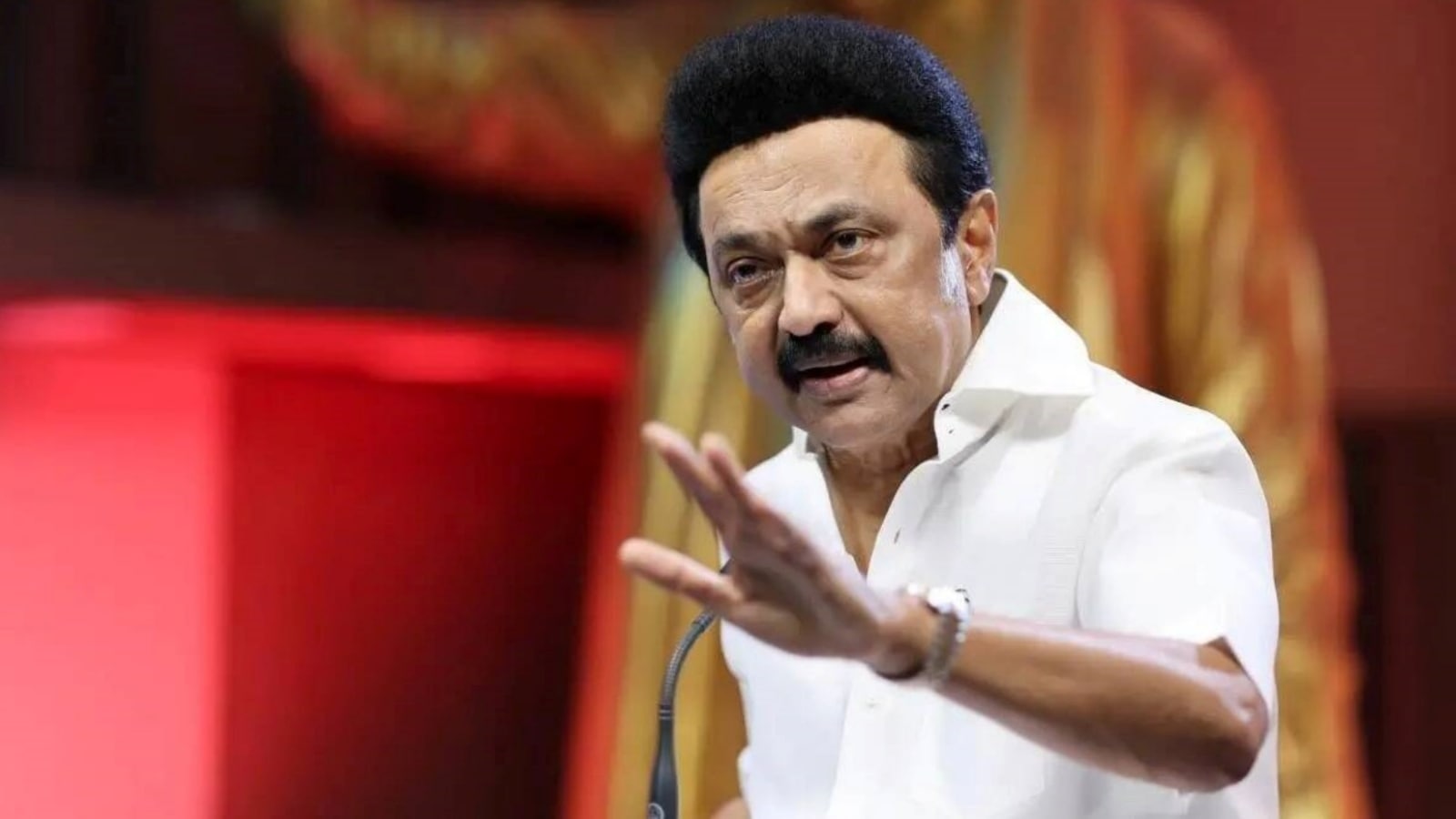
Delimitation Divide: Stalin, Revanth Raise Alarm, TDP Backs Centre
India’s planned delimitation overhaul and 50% seat hike spark regional friction, exposing deeper federal tensions ahead of crucial elections.
India’s central government is fast-tracking a controversial delimitation exercise that proposes redrawing parliamentary and state assembly constituencies with a concurrent 50% increase in the number of seats. This plan includes introducing women’s reservation in legislative bodies. While the Bharatiya Janata Party (BJP)-aligned Telugu Desam Party (TDP) supports the Centre’s move, key regional leaders like Tamil Nadu’s Chief Minister M.K. Stalin and Telangana’s Congress leader Revanth Reddy have raised alarms, warning this push risks bulldozing constitutional norms and disturbing the federal balance.
Why Delimitation Matters Now
Delimitation—the redrawing and reallocation of parliamentary and assembly constituencies based on the latest census—is normally a decennial exercise aimed at ensuring fair representation as populations shift. This round is charged because it comes after an unusual hiatus: India froze delimitation in 1976 to promote population control policies, and now the government wants to update it post-2026 census data.
What sets this delimitation apart is the planned 50% pro rata increase in seats across states, which would directly increase the size of both Parliament and state assemblies. While the central government frames this as a move to improve representation and implement gender quotas in line with women’s reservation, critics see it as a political maneuver to reshape electoral math before upcoming assembly and general elections.
For Tamil Nadu, a state with a strong regional identity and carefully balanced electoral structures, Stalin’s protest signals fear of upheaval. His claim of “bulldozing the Constitution” is not just political rhetoric; it highlights concerns that the process lacks transparency and could disproportionately advantage ruling alliances, particularly the BJP and its allies. Adding or reassigning seats can dilute existing power centers, dismaying local parties and voters.
Similarly, Revanth Reddy from Telangana Congress also voices concerns about federal principles and rushed processing. Telangana—another state with intense regional pride—worries about losing its political leverage if delimitation is manipulated without consensus.
TDP's Support: Calculated Alignment with the Centre
The Telugu Desam Party’s backing of the Centre’s proposal is noteworthy. As a regional player in Andhra Pradesh whose fate is closely tied to the BJP-led central government, TDP’s support suggests strategic alignment. Andhra Pradesh’s political landscape has been volatile post-bifurcation, and TDP may see the seat increase and reservation policies as an opportunity to regain or consolidate influence. This illustrates how regional parties weigh federal recalibrations based on their immediate electoral calculus rather than broad constitutional concerns.
Broader Implications for Indian Federalism and Electoral Politics
This delimitation initiative is more than just a bureaucratic necessity. It’s a contest over regional autonomy, representation fairness, and electoral competitiveness. The increase in seats and women’s reservation promises a fresh political map that could redraw power balances between states and between the Centre and regions.
The timing—just before 2026 elections—adds a high-stakes element. Governments often use delimitation strategically, impacting which social groups or regions get enhanced voice. The Tamil Nadu and Telangana pushback aligns with a growing narrative of regional resistance to perceived central overreach, echoing past federal confrontations over issues from language policy to resource distribution.
What to Watch
- Delimitation commission’s transparency and timeline: How inclusive and consultative the process becomes will be critical to its legitimacy.
- State assembly and national political reactions: Whether other regional parties follow Tamil Nadu and Telangana’s lead will show if this is the start of a wider revolt.
- Impact on 2026 elections: The actual changes in seat numbers and reservation allocations could materially shift party fortunes and alliances in key states.
- Legal challenges: Given the constitutional complexities involved, courts could become arenas for contesting these changes.
The current delimitation debate underscores the tightrope India walks between updating representation for demographic realities and maintaining federal balance amid rising regional sensitivities.
For more on India’s political structure and regional dynamics, see India country profile and
Global Politics.
Discover more

US Politics
Trump's Voting Bill Lives On in 23 States
Trump's voting restrictions bill may stall in Congress, yet 23 states adopt similar laws, reshaping the voting landscape and deepening partisan battles.

Economics
Fed's Amex AML order puts correspondent banking on notice
Federal Reserve's Amex AML order requires board-level controls and a 90-day plan; OCC fined the bank $350 million over enterprise-wide deficiencies.
Conflict & Security
Guatemala: El Niño 2026–27 becomes regional security test
UNICEF: 25.8M children face El Niño risks in Latin America; Guatemala maps 188 municipalities for drought and food insecurity amid regional security test.

Economics
Fed's stress-test overhaul is a capital-smoothing exercise
Federal Reserve finalized stress-test overhaul: two-year averaging for bank capital buffers and public input, expected to halve volatility.