Delimitation Divide: Stalin, Revanth Raise Alarm, TDP Backs Centre
India’s proposed fast-tracked delimitation and women’s reservation plan ignites political friction across states, with major regional leaders split on the approach.
The Indian government has announced an accelerated timeline for delimitation—redrawing parliamentary and assembly constituencies—and introducing a women’s reservation, with an unprecedented 50% pro rata increase in seats across states. This move, intended to rebalance representation ahead of the 2029 Census figures, has sharply divided regional political heavyweights.
Why This Matters: Constitutional and Political Stakes
Delimitation exercises reshape political power by redrawing electoral boundaries based on the latest demographic data. The current proposal is not just a routine adjustment: in addition to redrawing seats, there is a large-scale increase in assembly and parliamentary seats with a specific aim of expanding women’s reservation. This amounts to a significant reallocation of political influence.
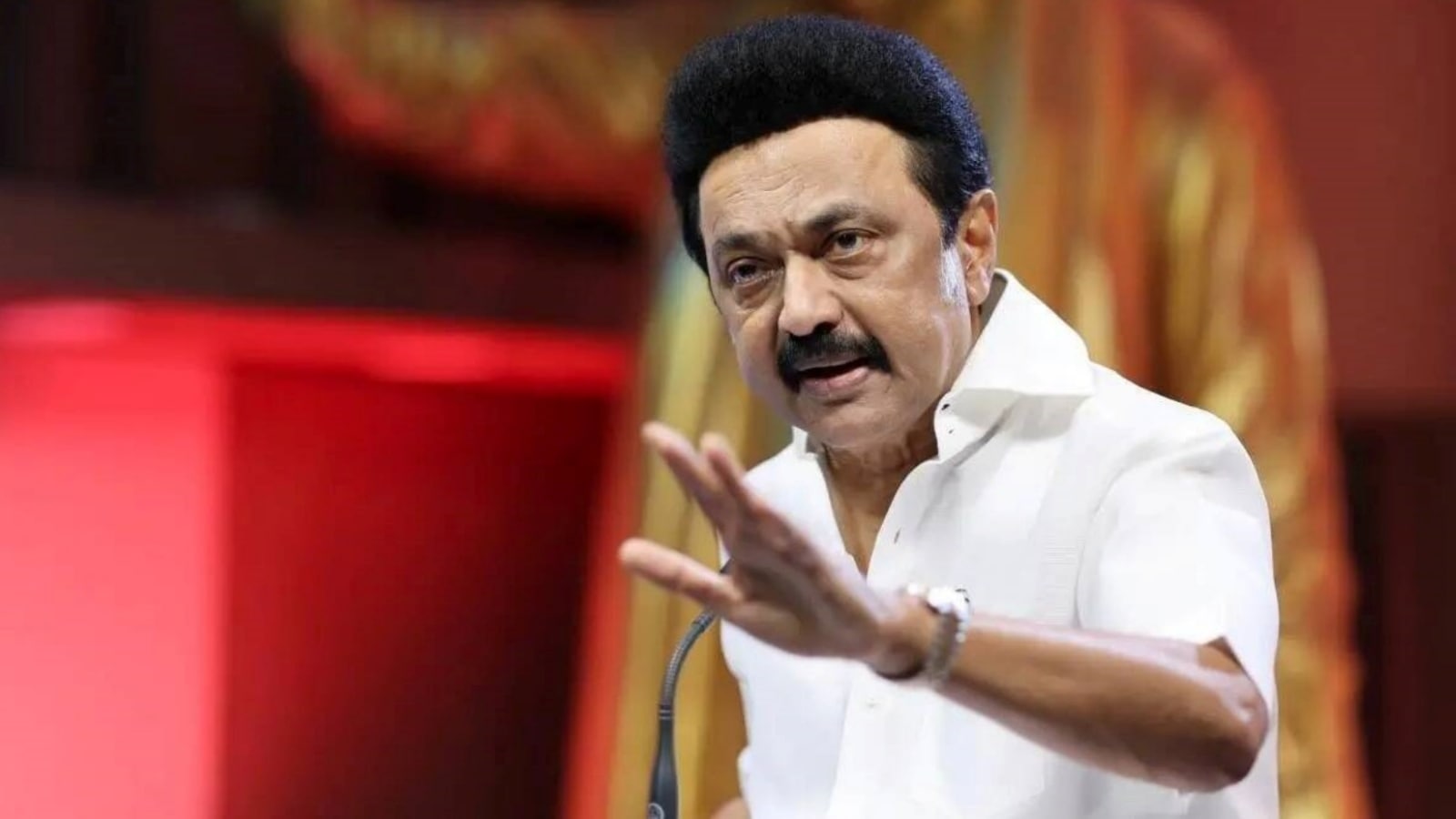
Tamil Nadu Chief Minister MK Stalin immediately flagged constitutional concerns, warning the Centre against “bulldozing” through changes that might disrupt the federal balance. Tamil Nadu, like some other states, fears losing political leverage if delimitation is rushed without full consultation or transparency. Stalin's opposition reflects long-standing regional wariness about Delhi imposing its agenda, especially when demographic shifts threaten to dilute the influence of established regional parties.
In Telangana, Congress leader Revanth Reddy echoed apprehensions, underscoring the risk of undermining local interests. By contrast, the Telugu Desam Party (TDP) of Andhra Pradesh has openly backed the Centre, aligning with the BJP government’s push, illustrating a regional divide in the South.
This debate taps into deeper political currents:
- The 50% increase in seats is not just proportionate, it potentially redraws electoral maps in favor of states with growing populations, reshaping power-sharing dramatically.
- Women's reservation adapted with seat increase aims to address long-standing gender imbalances in political representation but also complicates traditional constituency dynamics.
- Fast-tracking these reforms bypasses the routine multi-year processes usually observed for delimitation, raising questions about political expediency.
What to Watch Next
The critical pulse check will be the Centre’s engagement with state governments and opposition parties. Tamil Nadu has already signaled it could legally challenge fast-tracking, framing it as an assault on federalism.
Politically, the central government risks alienating key southern states if it appears to override their voices without consensus. This fracture could fuel regional parties' narratives about defending state autonomy against Delhi’s overreach—a theme historically potent in Indian federal politics.
Watch for:
- Legal challenges in the Supreme Court questioning the delimitation process and women’s reservation criteria.
- Political realignments in southern states, possibly strengthening alliances like the I.N.D.I.A coalition opposing the BJP.
- The implementation mechanics of women’s reservation combined with seat increases—a test case for how gender representation goals align with federal equity.
This issue is more than redrawing lines on maps; it's about the shape of India’s political future, the dynamics between Centre and states, and the evolving role of gender in governance. The unfolding tussle showcases the tension between national reform ambitions and regional political identities, a recurring theme in India’s democratic evolution.
For more on Indian federal dynamics, see  India and the broader Global Politics context.
 Delimitation Divide: Stalin, Revanth Raise Alarm, TDP Backs Centre - Indian Express