Modi and Shah Assure South India
Reassurance on seat allocation amid delimitation concerns
Model Diplomat3 min readSouth India
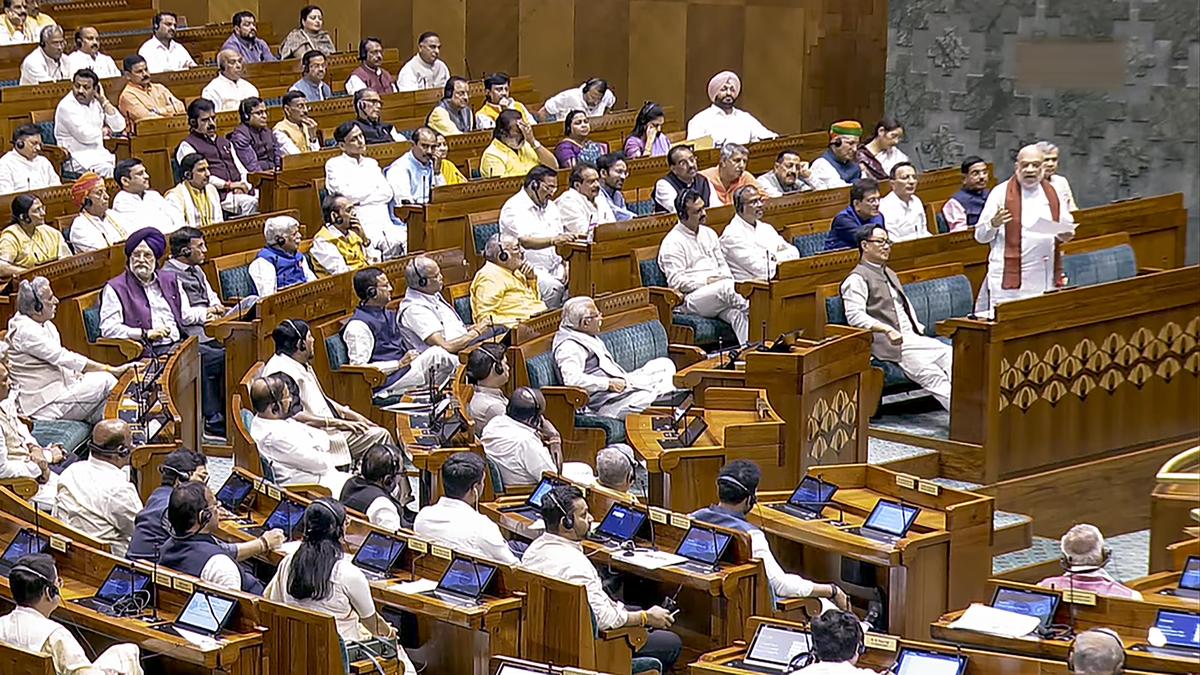
Delimitation won't cut South India's parliamentary seats, Modi-Shah insist
Modi and Shah promise proportional representation amid contentious delimitation debate, calming fears over southern states’ diminished political clout.
On April 16, 2026, in a Lok Sabha briefing, Prime Minister Narendra Modi and Home Minister Amit Shah addressed mounting concerns about the impact of recent Bills on delimitation and women's reservation on the seat share of southern states. They unequivocally stated that the new electoral boundary adjustments will not reduce the number of seats allocated to the southern region. Instead, they emphasized that proportional representation will be maintained to reflect population realities while implementing these reforms.
Why delimitation matters: the stakes for southern India
Delimitation—the redrawing of parliamentary and assembly constituencies—is a once-in-a-decade exercise crucial to preserving equal representation as populations shift. The southern states of India—Kerala, Tamil Nadu, Karnataka, Andhra Pradesh, and Telangana—have collectively grown more politically assertive and have a significant stake in how seats are distributed.
For years, southern leaders and parties have feared that delimitation, coupled with frozen seat allocations since 1976 tied to population controls, would dilute their voice in Parliament. These concerns intensified after Modi’s BJP pushed forward new Bills on delimitation alongside a women’s reservation law, both seen as potentially reshaping political dynamics.
Maintaining or increasing southern states’ seat share is essential not only for regional pride and political bargaining power but also for safeguarding their influence on federal policies around language, education, and economic development. For example, Tamil Nadu and Kerala have some of India's highest literacy and development indices, fueling demands for proportional political weight.
The Modi-Shah assurance: What it signals politically
Modi and Shah’s public reassurance serves several purposes. It is a strategic bid to calm southern political parties and voters skeptical of the BJP’s expansionist agenda beyond its traditional northern and western bases. The government’s commitment to upholding proportionality—based on the latest census data—seeks to counter narratives of regional marginalization, particularly from parties like DMK and YSR Congress.
Importantly, their statements also reflect a recognition that any major electoral redistribution altering southern representation risks igniting regional backlash and stirring separatist sentiments. It echoes the political fallout seen after the 2008 delimitation exercise, when some northeastern states felt sidelined, leading to prolonged unrest.
The emphasis on maintaining representation proportionate to population growth also underlines the central role demographics play in Indian politics. South India’s relatively slower population growth compared to northern states like Uttar Pradesh and Bihar has already challenged the status quo of seat distribution, creating legitimate tensions around fair representation.
What to watch next
The key question is whether this assurance from Modi and Shah will hold in practice. The delimitation commission, currently underway, has significant discretionary power and is expected to submit its report later in 2026. Close scrutiny of their recommendations will be necessary to see how constituencies are carved and if southern states’ seat shares remain intact.
Parallelly, the women’s reservation Bill—mandating a 33% reservation for women in Parliament and assemblies—will further reshape electoral dynamics. How political parties in the south, known for strong male leadership hierarchies, adapt to this change could influence the region’s negotiating power.
For observers, this development highlights how delimitation is not just a technical exercise but a battlefield for regional power in India’s federal democracy. The Modi government’s balancing act between expanding influence and managing regional sensitivities is a pattern that will continue to define Indian politics.
For more on India’s evolving electoral politics, see India profile and explore our insights on
Global Politics.
Source: Delimitation won't bring down south's share of seats, Modi, Shah tell Lok Sabha - The Hindu
Discover more
India
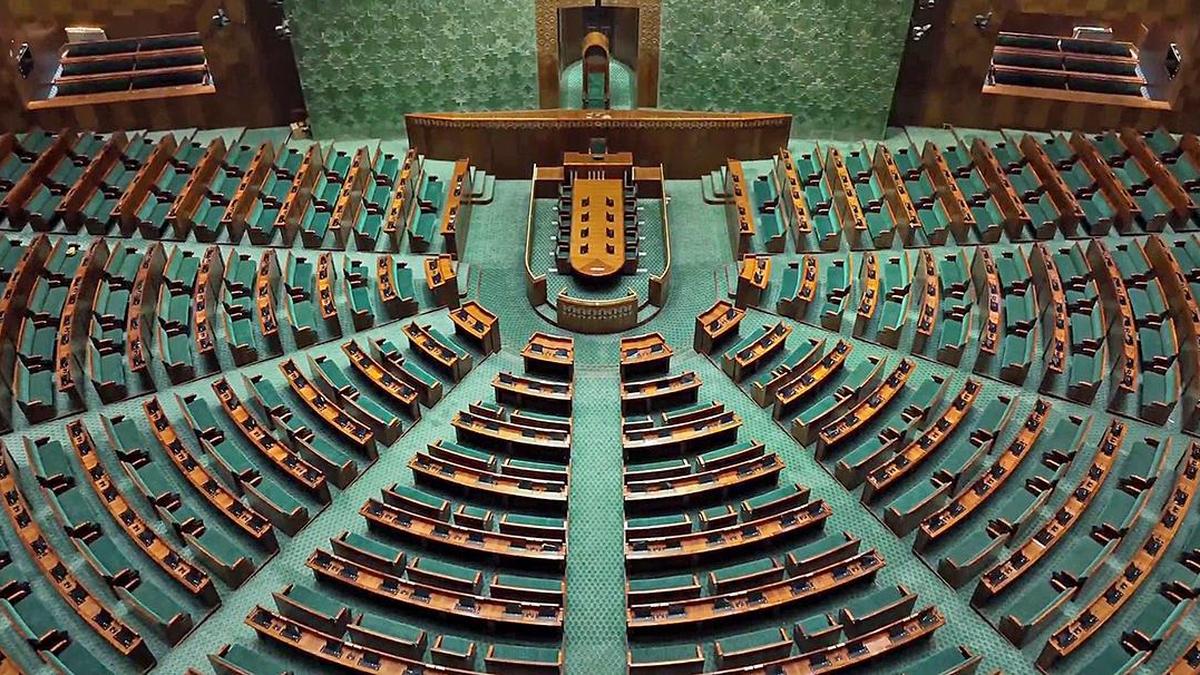
India Proposes Lok Sabha Seat Redistribution
India plans to redistribute Lok Sabha seats based on the 2011 Census, a move set to reshape political power and reduce southern states' relative influence.
India
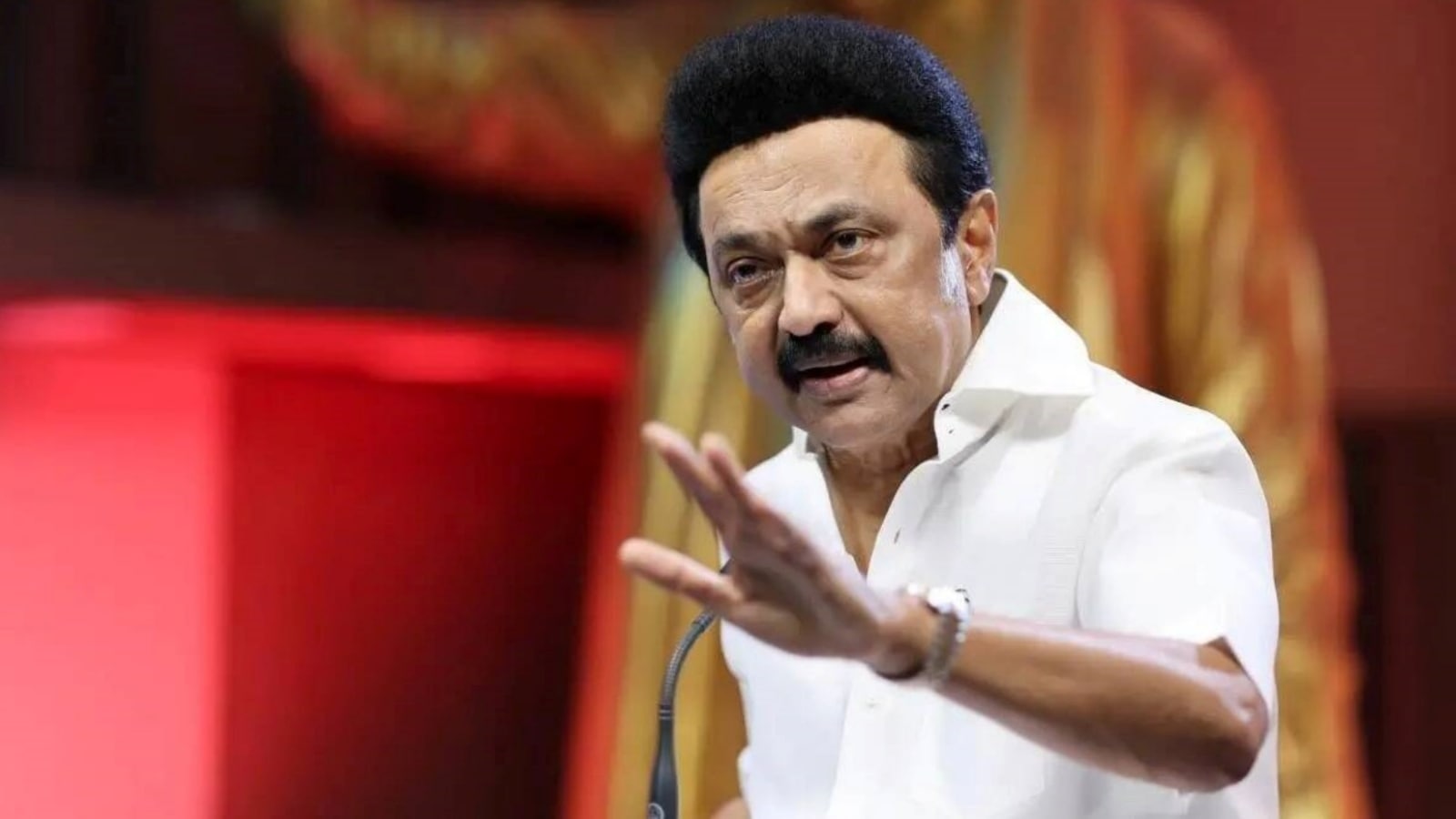
India's Delimitation Debate
India's delimitation plan stokes federal tensions as leaders warn it threatens fair representation and constitutional norms ahead of upcoming elections.

India
Modi's Campaign and Delimitation Impact 2026
Modi's campaigning in Tamil Nadu and West Bengal showcases BJP strategy as a contentious delimitation debate reshapes regional power in India's 2026 elections.

Economics
Fed's Amex AML order puts correspondent banking on notice
Federal Reserve's Amex AML order requires board-level controls and a 90-day plan; OCC fined the bank $350 million over enterprise-wide deficiencies.